Jamaica Blue Mountain Coffee Review: Pour-Over Guide and Flavor Profile
Introduction: Jamaica Blue Mountain coffee is regarded as one of the world's top coffees, not only for its rarity but also for its unique flavor and stringent cultivation standards. This article details the origin, grading, flavor characteristics, and pour-over recommendations for Blue Mountain coffee beans, helping coffee enthusiasts distinguish authentic beans and master the best extraction methods, while also discussing the health benefits and common misconceptions of black coffee.
JABLUM is a Jamaican Blue Mountain coffee producer with a 150-year history, accounting for about 40% of the country's total Blue Mountain coffee production. The brand's coffee beans are already roasted and ready to grind and brew, offering a mellow, smooth taste with a faint fruity aroma. To experience the pure Blue Mountain flavor, it is recommended to choose high-quality beans grown in specific elevation zones of the Jamaican Blue Mountain range; these coffees typically have rich layers and a balanced interplay of acidity, sweetness, and bitterness, and are favored by seasoned coffee lovers.
The reason Blue Mountain coffee is famous worldwide is not only its outstanding flavor but also its scarce production and high price. Many consumers easily confuse "Blue Mountain coffee" with "Blue Mountain flavor" or "Blue Mountain blend" when purchasing; the latter usually contains only a small amount of Blue Mountain beans or none at all, yet is sold under a similar name. In fact, true Blue Mountain coffee is grown only in specific areas of the Jamaican Blue Mountain range and must meet strict government standards.
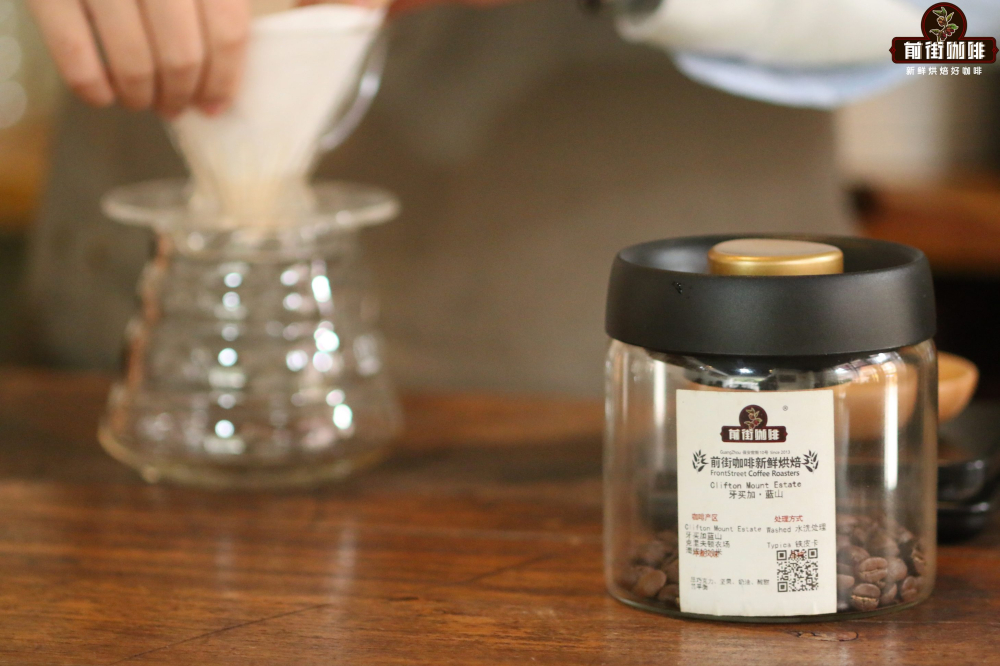
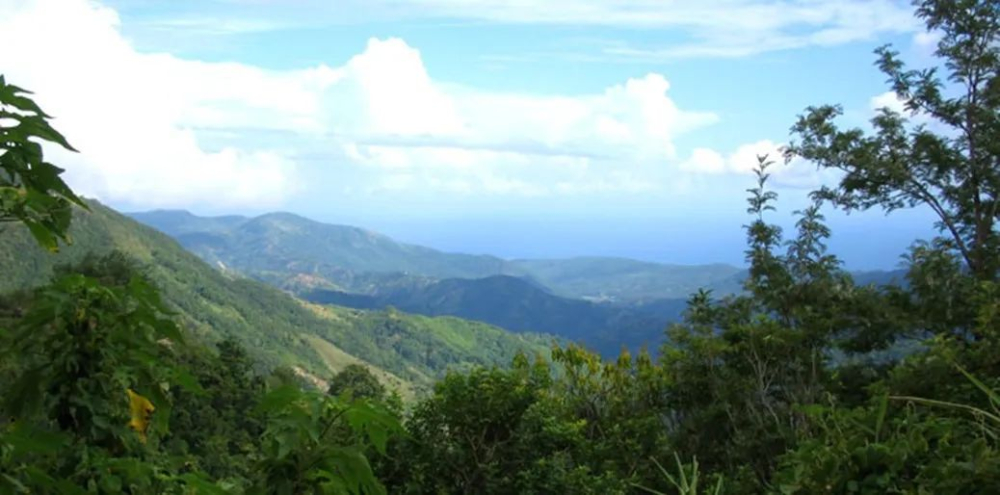
The Blue Mountain range is located in eastern Jamaica, surrounded by the Caribbean Sea. Under sunlight, the blue glow reflected off the sea against the mountains gives the range its name, "Blue Mountain." Although some peaks exceed 2,000 meters, due to climate and environmental protection policies, areas above 1,700 meters are designated as protected zones where coffee cultivation is prohibited. The suitable coffee-growing areas are mainly concentrated between 1,000 and 1,700 meters, an elevation that ensures healthy coffee tree growth while imparting unique flavor to the beans.
Jamaica's Blue Mountain coffee is divided into three grades based on growing elevation: Jamaica Blue Mountain Coffee, Jamaica High Mountain Coffee, and Jamaica Prime Coffee. Only beans grown between 1,000 and 1,700 meters are eligible to be classified as "Jamaica Blue Mountain Coffee," which accounts for less than 40% of the country's total coffee production. In addition, based on bean size and defect rate, the coffee is further subdivided into four grades: No. 1, No. 2, No. 3, and Peaberry.
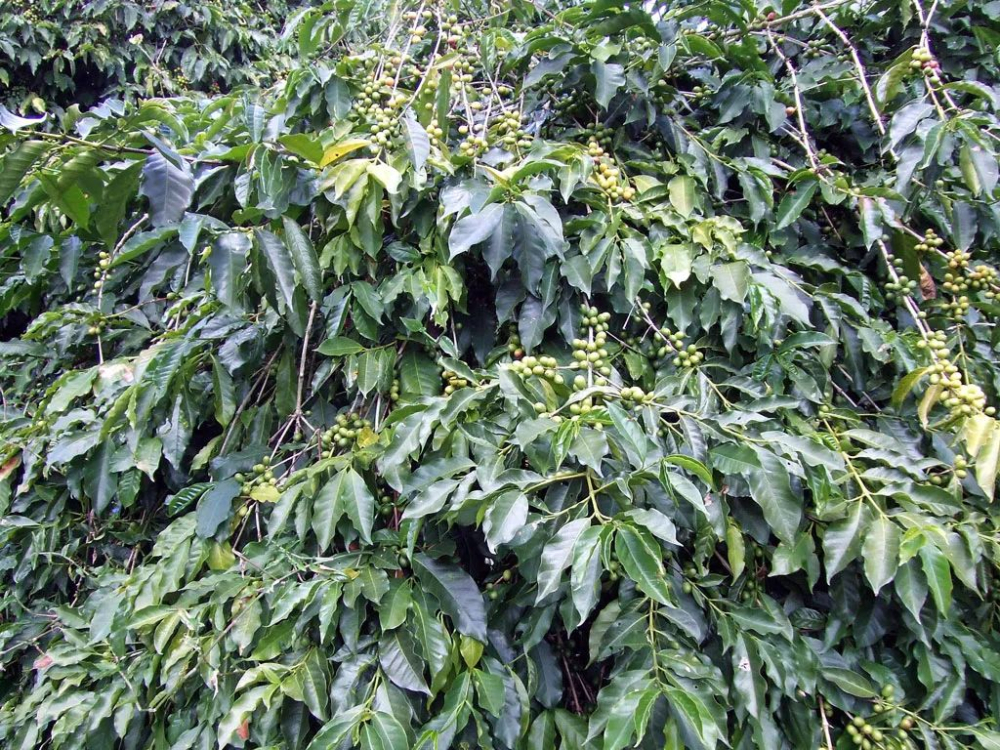
Among these, Jamaica Blue Mountain No. 1 coffee beans have the most stringent screening standards: green beans must come from the 1,000–1,700 meter zone, have a screen size of 17/18, and a defect rate not exceeding 2%. After multiple screenings, the number of beans meeting the No. 1 standard is extremely limited, which is one of the main reasons for its high price.
The claim that "there is no authentic Blue Mountain coffee in China" is inaccurate. Although Japan once obtained priority purchasing rights for Blue Mountain coffee due to historical aid and monopolized over 80% of the share, this situation ended after 2009. With the growing purchasing power of Chinese consumers, more and more people are able to taste authentic Blue Mountain coffee from Jamaica.
Blue Mountain coffee is known for its classic nutty and dark chocolate flavors, with balanced acidity, sweetness, and bitterness and a mellow body. High-quality Blue Mountain No. 1 beans are usually washed: after picking ripe coffee cherries, the skin and pulp are removed, the mucilage is thoroughly washed off, and the beans are sun-dried. This method preserves the pure flavor of the beans and fully showcases the terroir, making it suitable for enthusiasts who seek the original taste of coffee.
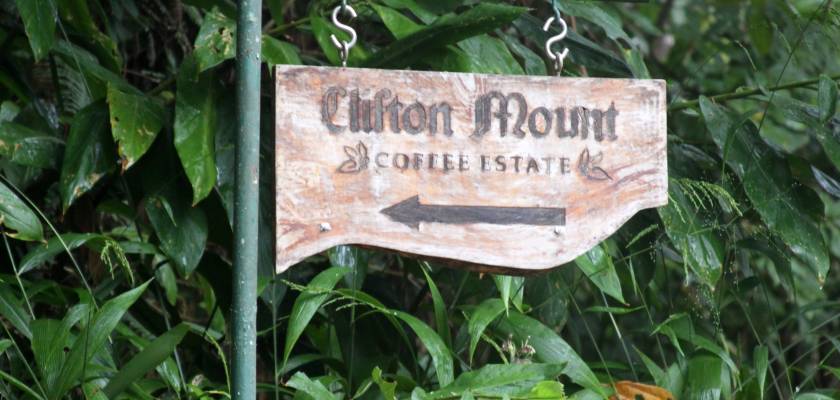
There are several coffee estates in the Jamaican Blue Mountain region. Among them, Clifton Farm near Catherine's Peak has a long history, managed by the Sharp family with over two hundred years of cultivation. The farm is not only one of the highest-altitude coffee-growing areas locally but also the only estate in the Jamaican Blue Mountain region certified by the Rainforest Alliance. Its beans have consistent quality and a rich, mellow flavor, and are often regarded as representative of Blue Mountain coffee.
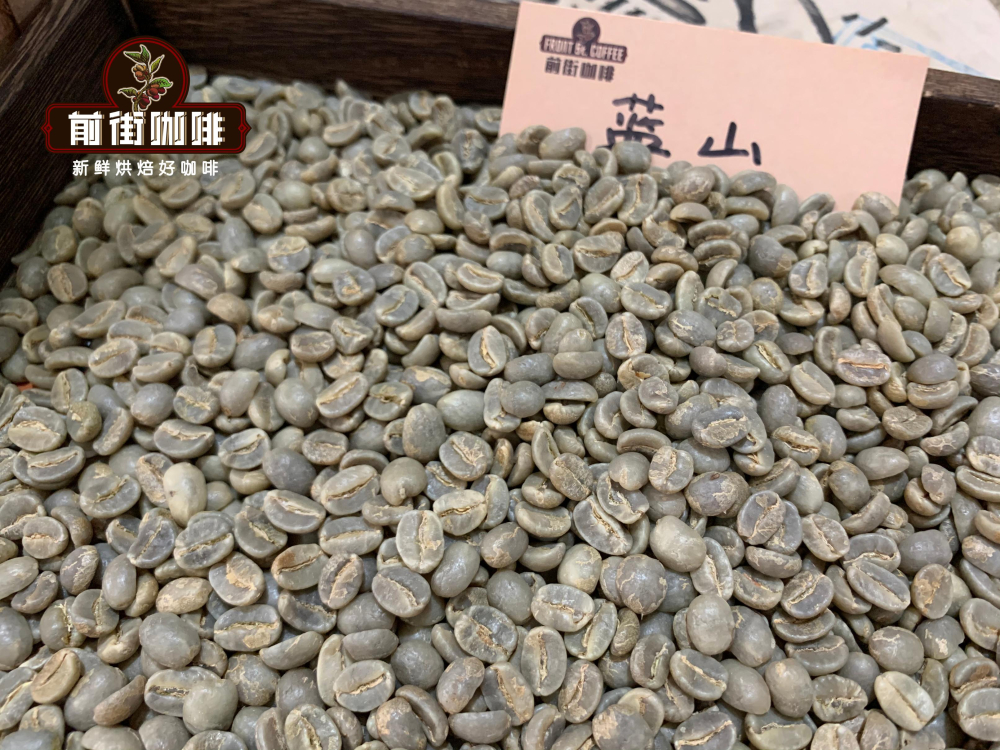
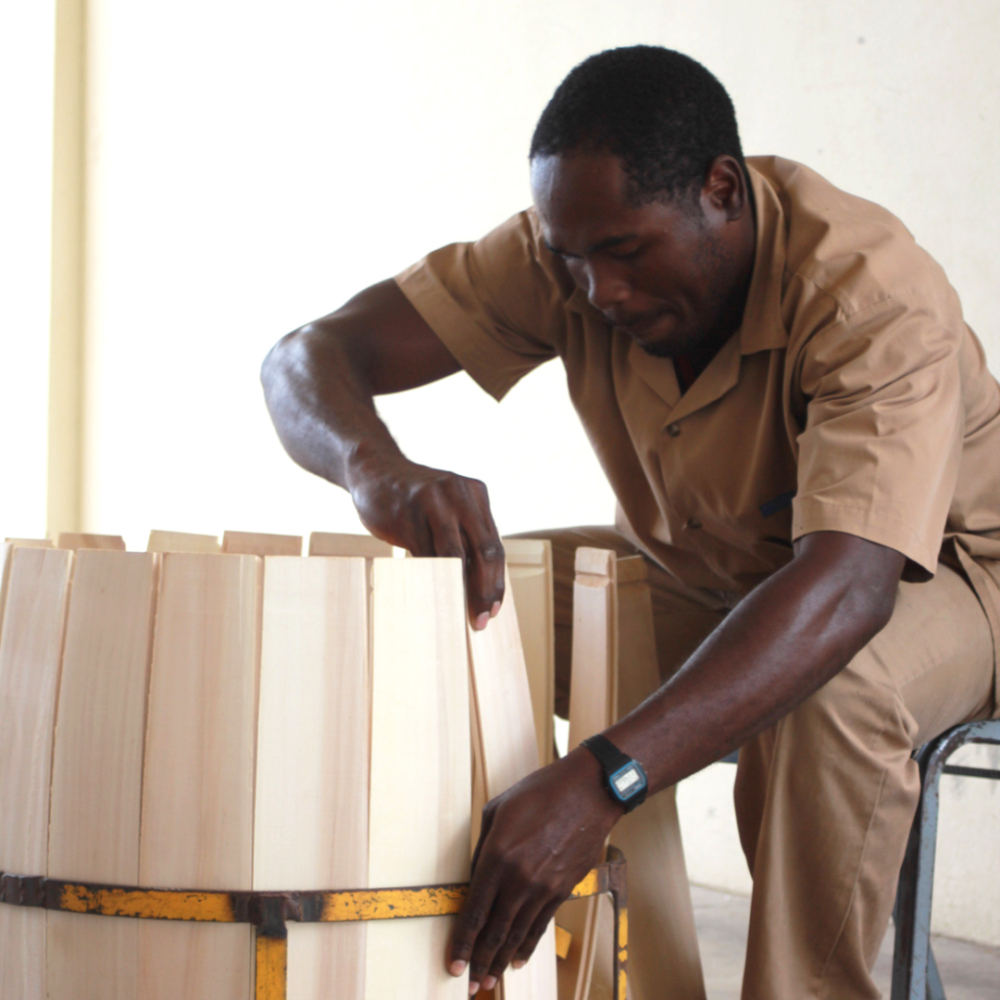
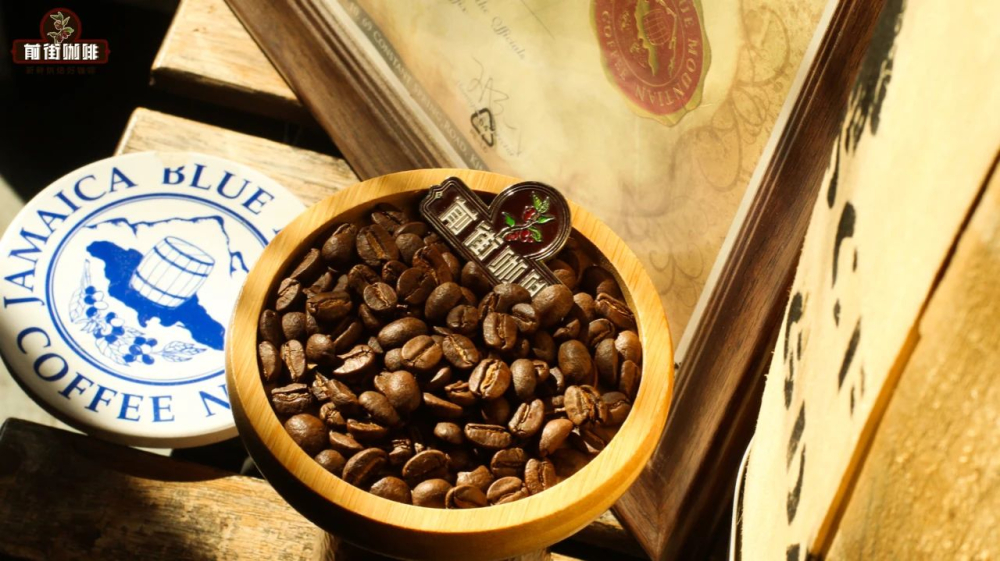
Currently, Jamaica still exports Blue Mountain green coffee in traditional wooden barrels, a practice unique among coffee-producing regions worldwide. Authentic Blue Mountain No. 1 beans typically have a blue-green hue, uniform shape, and a fresh aroma. When roasting, to highlight their nutty and chocolate notes, a medium-dark roast is generally used to balance acidity and enhance the mellow body.
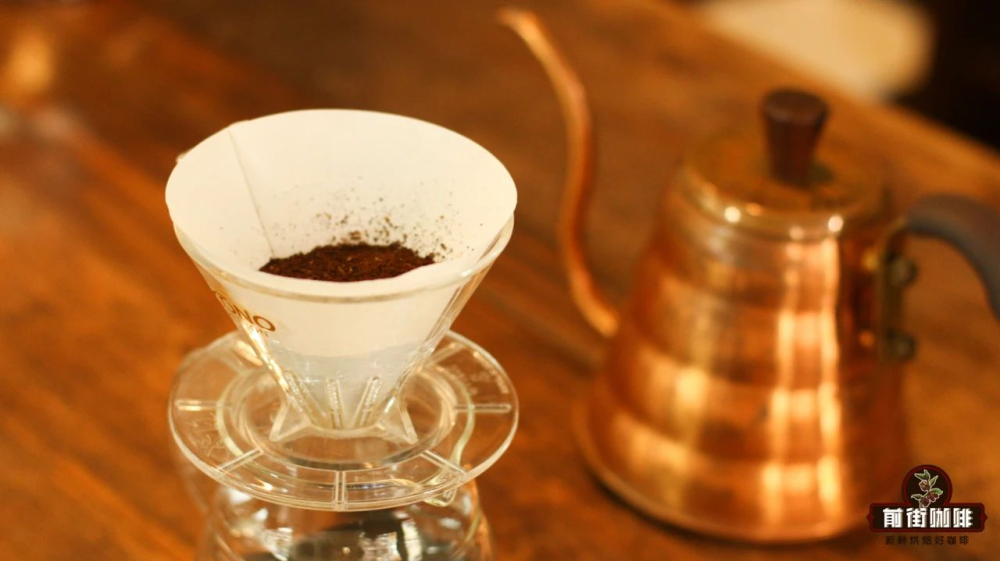
When brewing Blue Mountain coffee, it is recommended to use a coarser grind and a lower water temperature to avoid over-extraction and bitterness. Specific parameters for reference: use a KONO dripper, water temperature at 88°C, about 15 grams of coffee, a coffee-to-water ratio of 1:15, and a grind size with 80% passing through a Chinese standard No. 20 sieve. This combination fully brings out the mellow and balanced character of Blue Mountain coffee.
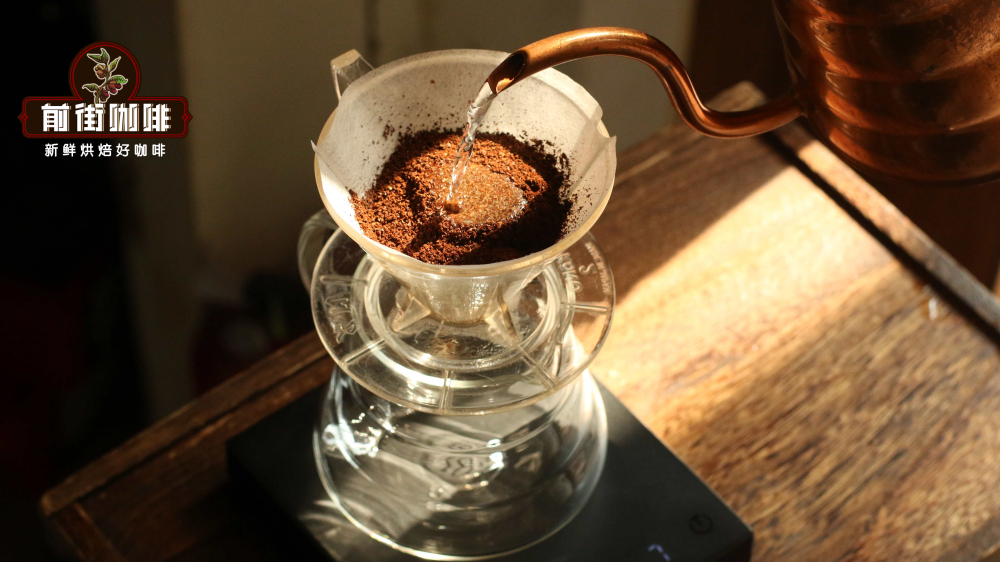
The KONO dripper has a unique design: smooth walls and 12 short ribs at the bottom. When the filter paper is moistened, it fits closely against the wall, slowing airflow and extending the contact time between water and coffee grounds, thereby improving extraction efficiency—especially suitable for coarsely ground Blue Mountain coffee. During brewing, first pour 30 grams of hot water and let it bloom for 30 seconds, then pour in a thin stream from the center in circles up to 125 grams; after the water level drops, continue pouring to 225 grams. Total extraction time is about 2 minutes.
The blooming stage helps stabilize the coffee's flavor and improves the consistency of subsequent extraction. It is generally recommended to use beans roasted within 5 days; at this point, the beans have passed the initial degassing period and show better flavor. If you don't have a grinder at home, you can opt for a grinding service, but note that once coffee is ground, flavor compounds are lost more quickly. Therefore, it is best to buy whole beans and grind fresh just before brewing for the optimal flavor experience.
In summary, Blue Mountain coffee is not just a beverage but a symbol of taste and craftsmanship. From strict origin restrictions and detailed grading to unique washed processing and pour-over techniques, every step affects the final flavor. Understanding this knowledge not only helps you distinguish authentic beans but also enables you to brew a high-quality cup close to Blue Mountain flavor at home.