Guatemala Antigua Maya Co-op Washed Beans: Pour-Over Fruit Notes

Introduction: In Guatemala's Antigua coffee region, the Maya Tzampetey cooperative uses a distinctive washed processing method to create flavor-rich specialty coffee beans. This article takes an in-depth look at the growing environment, processing method and flavor characteristics of this coffee, explains the advantages of growing at 5,000 feet above sea level, and offers pour-over parameter suggestions to help you fully experience its elegant balance of citrus and black tea aromas.
Guatemala lies at the heart of Central America, and its unique geography is a treasure of both nature and culture. This country, only the size of the US state of Tennessee, has two mountain systems over 13,000 feet above sea level—the southern Sierra Madre range contains 33 volcanoes, some of them active; the northern Sierra Cuchumatanes range is known for its rugged terrain. The complex topography creates countless microclimate regions, nurturing high-quality coffees of widely varying styles.
Among Guatemala's many coffee regions, the Maya Tzampetey cooperative in Sololá Department is particularly special. The cooperative sits on the slopes above Lake Atitlán at 5,000 feet above sea level, where growers have overcome many difficulties and, through meticulous washed processing, produce coffee beans with a distinct character. The bean's most prominent flavor trait is the freshness of citrus dried fruit, accompanied by an elegant black tea aroma, with bright acidity and rich layering.

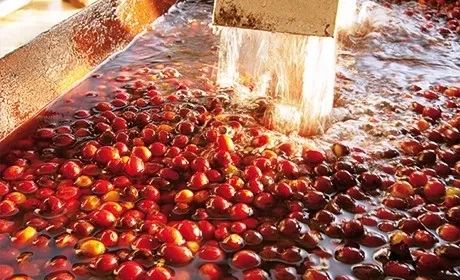
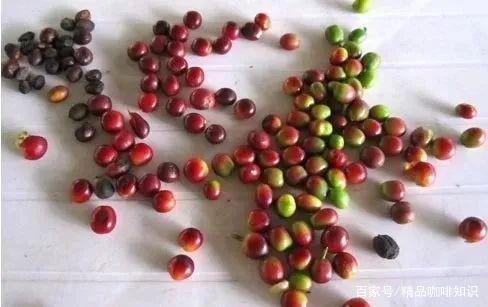
In terms of processing, the Tzampetey cooperative strictly follows the traditional washed method: after picking coffee cherries at uniform ripeness, the pulp is first removed, then the seeds with mucilage still attached are placed in fermentation tanks for 18-24 hours of temperature-controlled fermentation (kept at 18-22°C). After fermentation, they are rinsed several times in clean water, and finally shade-dried for 2-3 weeks on African raised beds, turned daily to ensure even drying to a moisture content of about 11%. This rigorous process preserves the coffee's pure flavor to the greatest extent.
Analyzed on the flavor wheel, this washed bean's aroma spectrum centers on citrus fruits (orange, lemon peel), with a warm mid-palate of black tea and roasted nuts, and a subtle caramel sweetness in the finish. For pour-over, a medium-fine grind is recommended (70-75% passing a Chinese standard No. 20 sieve), with water at 90-92°C, using a staged pouring method: first pour to twice the dose (about 30 g of coffee to 60 ml of water) and let it bloom for 30 seconds, then pour in circles to a total of 225 ml, with total extraction time controlled at about 2 minutes 10 seconds.
Besides the Tzampetey washed beans, other classic Guatemalan regions are also worth exploring. For example, the Pulcal plantation surrounding the Antigua volcanoes traces its history to a legendary coffee variety that won an award at the 1898 Paris World's Fair; cold-brewed, it shows a complex flavor of dark chocolate and ripe plum. And El Vergel farm in the Paz'en canyon, whose enclosed terrain forms a unique microclimate, produces Bourbon varieties with the fresh acidity of strawberry and green apple.
The emerging Huehuetenango region has risen even more strikingly, making its name in Cup of Excellence competitions over the past decade. The volcanic soil at 1,500-2,000 meters in this area nurtures a distinctive flavor with a citrus minerality; among them, La Bendicion estate's Bourbon variety, with its bright lemon aroma, represents the region.
For coffee lovers, trying Guatemalan beans with different processing methods offers a rich range of taste experiences: washed processing highlights clean, bright acidity, natural processing intensifies tropical fruit richness, and honey processing falls between the two with a rounder mouthfeel. Pair your tasting with a professional coffee flavor wheel and keep tasting notes, paying attention to how the flavor evolves through the top notes (1-5 seconds), middle notes (15-30 seconds), and base notes (after 30 seconds).