Costa Rica Mozart Coffee Beans: Flavor Analysis and Pour-Over Guide
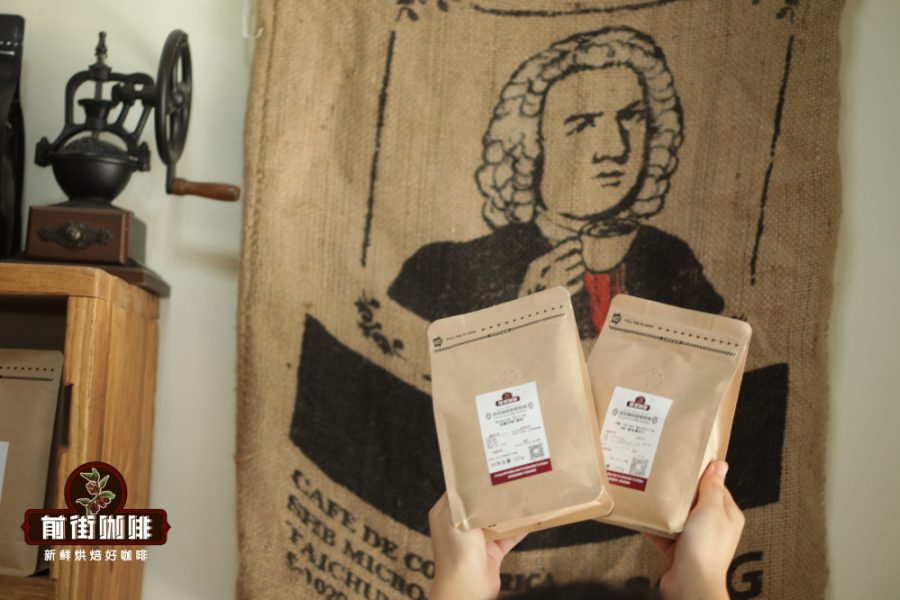
Introduction: This article explores the unique charm of Mozart coffee beans, a representative of Costa Rica's Musician Series, from the high-altitude growing environment of Canet Estate to the meticulous raisin honey process, comprehensively interpreting the source of its floral and fruity aromas and sweet, mellow flavors. It also provides a professional pour-over recipe, covering grind size, water temperature control, and three-stage pouring technique to help you accurately present the osmanthus and berry notes of this medium-light roast bean.
 Mozart coffee beans from Costa Rica's Musician Series, with their signature clear floral and fruity aromas and sweet preserved-fruit flavors, have become a collector's choice for many coffee enthusiasts. Grown in the core of the Tarrazú region, this bean, through a unique raisin honey process, perfectly blends tropical fruit notes with honey sweetness. Whether brewed as pour-over or cold brew, it reveals a complex flavor spectrum.
 Its origin, Canet Estate, is located in the golden growing belt of the Tarrazú region at over 1,800 meters above sea level, an area known for its fertile volcanic soil and microclimate with large day-night temperature differences. The estate is jointly managed by a fruit-growing family that has operated for three generations, and the densely planted passion fruit and other fruit trees nearby provide natural flavor enhancement for the coffee trees. Each December during harvest, ripe red cherries are hand-sorted and immediately sent to a nearby processing plant for meticulous processing.
 The estate owners' shared love of classical music inspired a unique naming system, with names of musicians such as Beethoven and Chopin given to beans processed differently. Mozart specifically uses the challenging raisin honey process—after floating and removing defective cherries, the fresh fruit is dried under controlled temperature until it becomes concentrated and purple-black like raisins, then undergoes two-stage pectin fermentation. This process gives the coffee both the sweet, sticky texture of ripe banana and the bright acidity of alcoholic fermentation, often with osmanthus and rose tea aftertaste in cupping.
 Honey processing is divided into three forms: regular honey process retains 40-60% pectin for sun-drying fermentation; black honey process removes almost no pectin; and raisin honey process first dehydrates and concentrates the whole fruit, then ferments a second time. This double fermentation creates more complex phenolic conversion; laboratory tests show its sucrose content is about 15% higher than regular honey process, but it requires precise control of average daily temperature between 20-25°C to avoid over-fermentation.
 To highlight Mozart beans' citrus acidity and jasmine aroma, roasters typically use a medium-light roast (Agtron #65-#70). Cupping characteristics: dry aroma emits osmanthus and dried apricot sweetness; after adding water, blueberry and blackcurrant berry notes emerge; on the palate, sweet orange and raisin fructose sweetness are prominent, accompanied by a moderate lactic fermentation feel, and the aftertaste continues to release elegant rose tea aroma. This flavor combination makes it particularly suitable for pairing with cheesecake and other desserts.
 Home brewing requires focusing on three core parameters: it is recommended to use a Chinese standard No. 20 sieve to measure 80% pass rate (suitable particle size for medium-light roast), and grind setting reference EK43s 9.3-9.5 range. Water temperature control is key—90±1°C can fully stimulate floral and fruity aromas while avoiding bitterness and off-flavors caused by high temperature. Recommended powder-to-water ratio is 1:15 (15g coffee to 225ml water), which balances concentration and flavor extension.
 Advanced three-stage pouring plan: first, use a fine stream to pour 30g water in the center for 30 seconds bloom, ensuring even expansion of the coffee bed; second stage, pour 100g water at a steady flow rate of 95ml/15 seconds, and when the water level rises to half the dripper height, start drawing an infinity symbol; final stage, switch to drip pouring, after the 90-second mark, pour 95g water, keeping the liquid level below the coffee wall height. Complete the drip filtration within 1 minute 50 seconds; the coffee liquid should then show an amber sheen and no noticeable grit.
 Common mistakes to avoid: avoid tap water with hardness >150ppm; it is recommended to let it sit to remove chlorine; if the coffee bed surface forms a crust during pouring, gently tap the dripper to break bubbles; if woody flavors appear in the late extraction, lower the water temperature to 88-89°C or shorten the grind residence time. Store in a dark, sealed container, and after opening, it is recommended to use within 14 days to maintain flavor vitality.