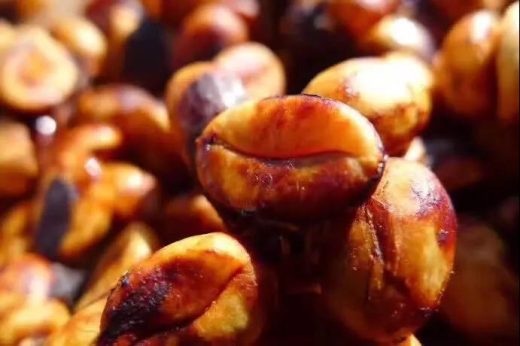
Kungu Maitu Estate, Kenya: Smallholder Coffee Innovation and Flavor Guide
Introduction: Step into Kenya's Kungu Maitu Estate and learn how smallholder coffee producers, outside the traditional cooperative model, take quality control into their own hands by investing in their own processing centers. Follow the story of 80-year-old grower Njeri Kagio and her son Stephen as they innovate, explore the distinctive flavors of SL-28, SL-34 and other varieties on the 1,800-meter highlands, and pick up practical tips for choosing quality Kenyan beans.
Kenyan coffee has long been known for its cooperative system, but Kungu Maitu Estate shows another possibility: smallholders operating independently. The coffee producers here chose to step outside the traditional framework and build their own post-harvest processing centers, handling everything from fresh cherry processing to drying and sorting themselves. This end-to-end quality control produces specialty coffee with layered, complex flavors.
Wangera Farm is a typical example. Eighty-year-old Njeri Kagio runs the land together with her son Stephen, and she still keeps to a routine of walking five kilometers of mountain road each day to tend 3,700 coffee trees—including 50 old trees she planted herself 50 years ago. Growing at 1,800 meters in the Nyeri region, these trees soak up the day-night temperature swings of the Kenyan highlands, developing bright acidity and complex fruit notes.
Stephen's return brought technical energy to the family farm. The eighth child in the family gave up a city job and combined modern growing ideas with traditional experience: optimizing shade-tree density to improve the microclimate, picking in multiple passes to ensure consistent ripeness, and introducing a precision fermentation control system. These improvements make the coffee's citrus and berry aromas more pronounced, with a rich dark chocolate finish.
For coffee lovers, the beans from Kungu Maitu Estate have a distinct flavor identity. The main varieties grown, SL-28 and SL-34 (Kenya's classic high-altitude, disease-resistant varieties), when processed well, can show a clear pomegranate-like acidity balanced by tea-like sweetness. The Riuru variety brings a softer mouthfeel and a distinctive spice note, suited to those who prefer lower-acid coffee.
When brewing this kind of Kenyan coffee, a medium-fine grind is recommended (about the texture of fine caster sugar for pour-over), with water at 92-94°C. A V60 dripper with a three-pour method brings out its bright acidity: first bloom with 30 grams of water for 30 seconds, then pour in stages, switching to a center pour at 125 grams, and finish at about 2 minutes 10 seconds with a total of 225 grams of water. If using a French press, extend the steep time to 4 minutes to bring out more nutty flavors.
Note that the Kenyan coffee harvest usually runs from October to February, and different lots may show slight flavor variations due to microclimate differences. When buying, look for the "Kungu Maitu Estate" origin label and favor products graded "AA" (the largest and densest beans); these coffees usually have richer layers of flavor.
From Njeri's five-kilometer daily walks through the fields to Stephen's precise control of fermentation parameters, the story of Kungu Maitu Estate proves that small-scale production can also achieve outstanding quality. For coffee lovers seeking distinctive flavors, specialty beans shipped directly from family farms like this are not only a treat for the palate but also a direct way to sense the craftsmanship at the upstream end of the coffee supply chain.