Pour-Over Coffee Beginner's Guide: 5 Key Parameters That Affect Flavor
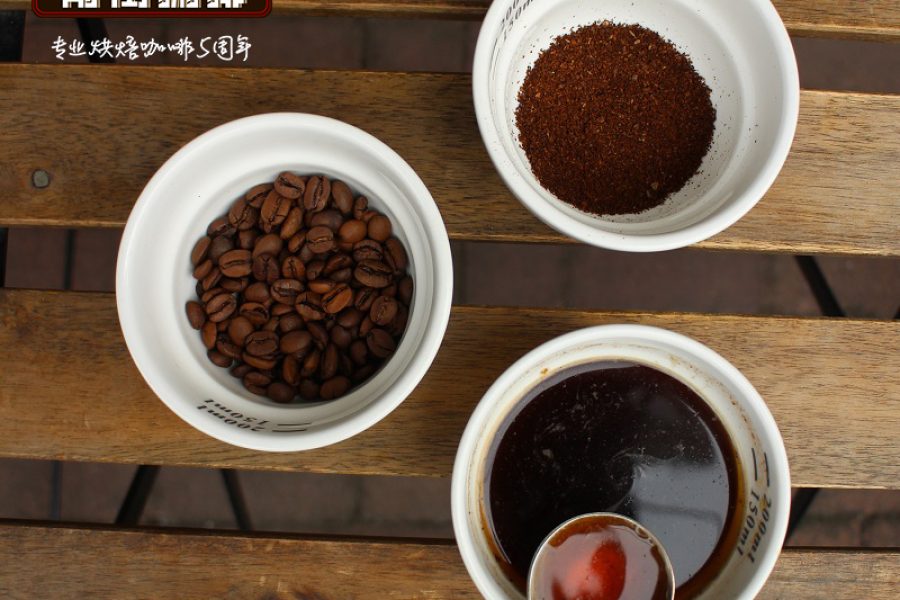
Introduction: Want to brew a balanced cup of pour-over coffee yourself? This article systematically breaks down the five core elements that affect extraction—water quality selection, grind size control, water temperature precision, coffee-to-water ratio, and brew time—and reveals practical tips on equipment pairing and brewing techniques. From parameter setting to avoiding common problems, it helps you build a scientific brewing system and unlock the layers and pure flavors of coffee beans.
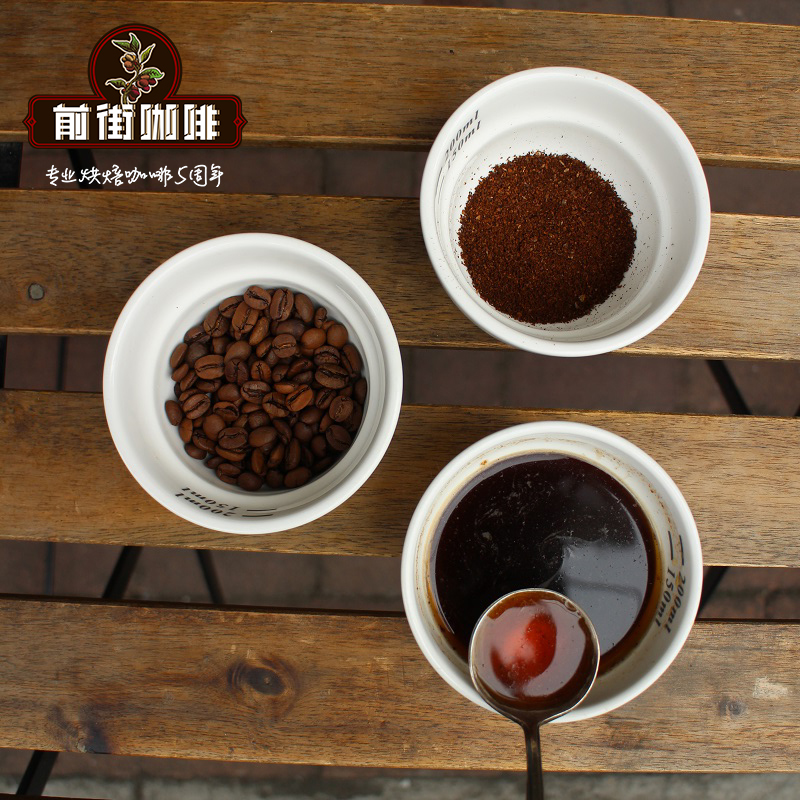 Drip-style pour-over coffee extracts flavor compounds by having hot water permeate a bed of ground coffee. What looks like a simple operation actually hides many variables. Compared with fully automatic coffee machines, the pour-over method, with its controllability and low tolerance for error, has become the first choice for coffee lovers exploring the essence of flavor. Once you master the key parameters, you can consistently reproduce specialty-coffee-shop-level flavor at home.
 Water, as the extraction medium, directly affects the purity and mouthfeel layers of coffee. Filtered tap water or high-quality mineral water is recommended; avoid using municipal water with high chlorine content directly. Distilled water, lacking mineral support, leads to thin flavor, while water that is too hard easily causes uneven extraction. Tests show that filtered water with a TDS value of 50-150 mg/L best balances extraction efficiency and roundness of mouthfeel.
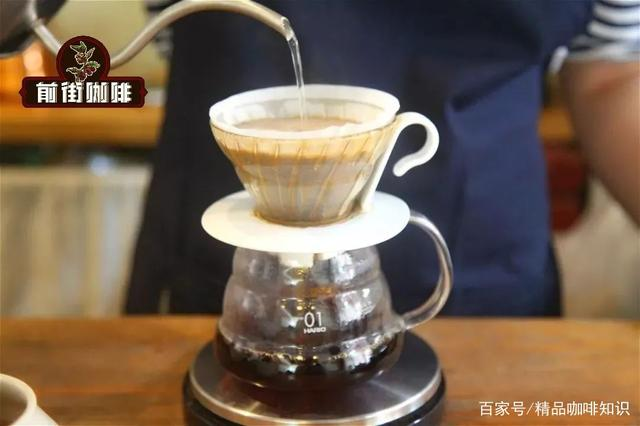
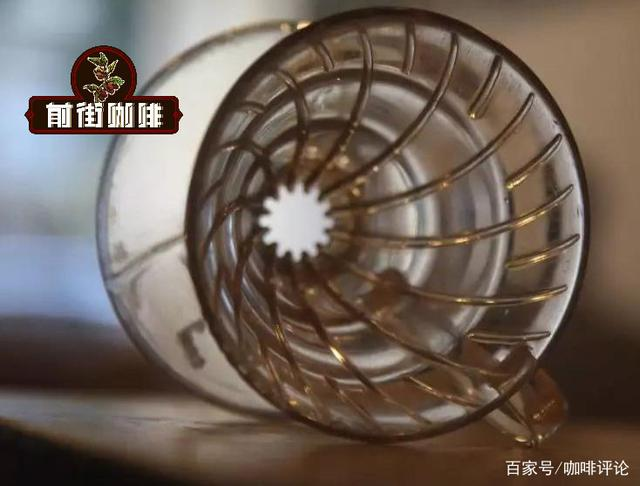
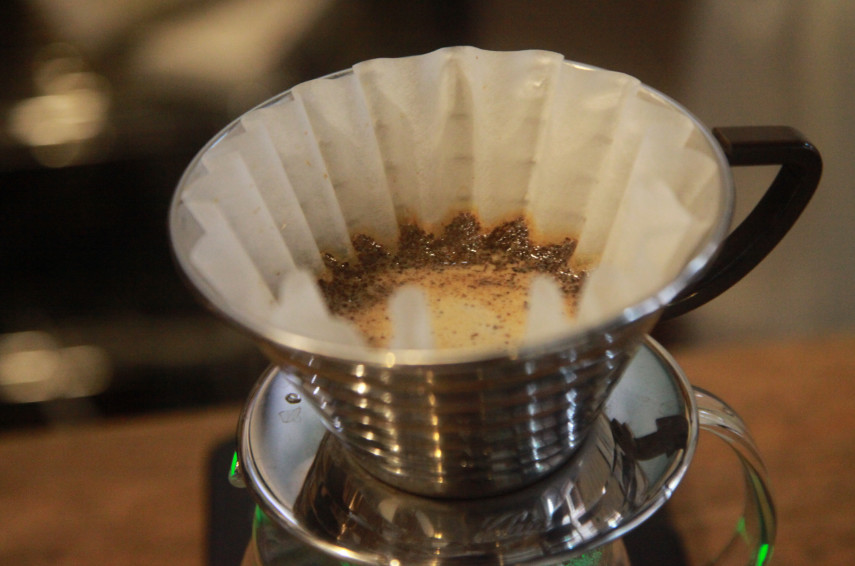 Grind size must be adjusted dynamically according to the dripper type: conical drippers such as V60 are best with a medium-fine grind (60-70% passing rate through Chinese standard sieves No. 20-40) to ensure water slowly penetrates the coffee bed; if using a flat-bottom dripper, a slightly coarser grind is needed (50-60% passing rate) to avoid over-extraction. Fresh grinding is crucial: 20 minutes after coffee grounds contact air, aromatic compounds can lose up to 30%. It is recommended to grind right before extraction and store the remaining coffee beans sealed.
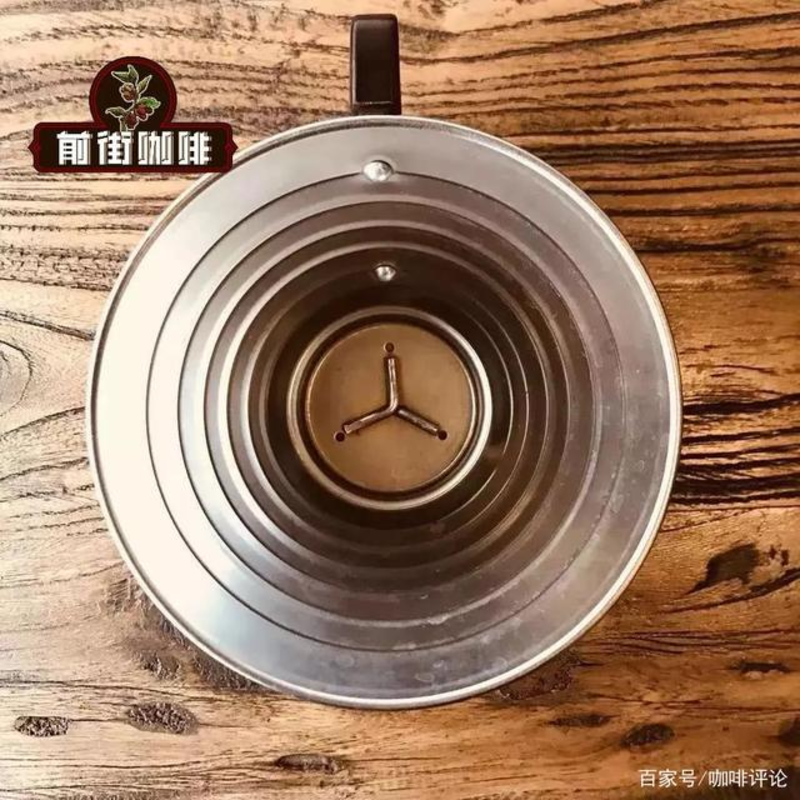 Water temperature control can be called the switch for flavor release—the optimal range is 90-96°C (about 195-205°F). Below 90°C leads to prominent acidity but insufficient sweetness, while above 96°C easily extracts bitter tannic acid. At home, let boiling water rest for 30 seconds before use (for every 300 meters of altitude gain, raise the temperature by 1°C to compensate for the lower boiling point). Enthusiasts are advised to use a thermometer for calibration, or to buy an electric kettle with a keep-warm function to maintain ±1°C precision.
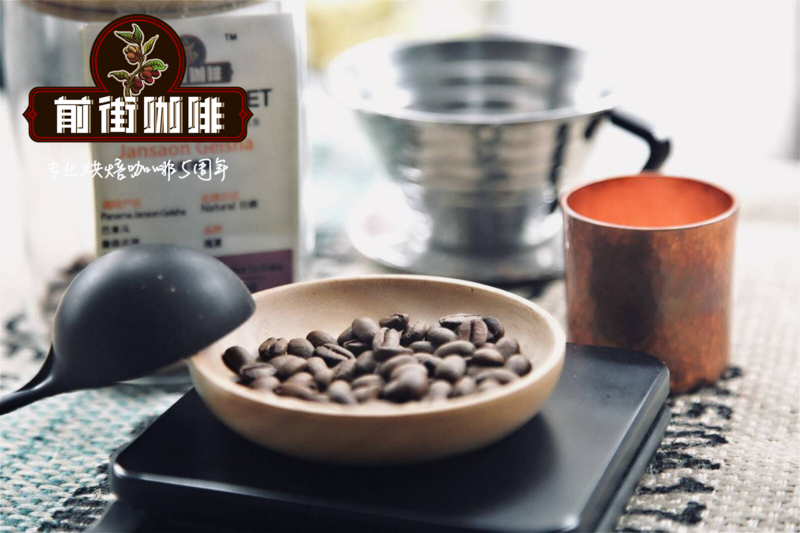
 The coffee-to-water ratio directly affects strength and body fullness; the classic golden ratio is 1:15 to 1:17 (i.e., 225-255 ml of water for every 15 g of coffee). Beginners can start with 15 g of coffee + 240 ml of water (about 8.5 g/100 ml) and fine-tune based on flavor feedback. Note that fine grinds require less water to prevent over-extraction, while coarse grinds should have more water added to ensure full extraction.
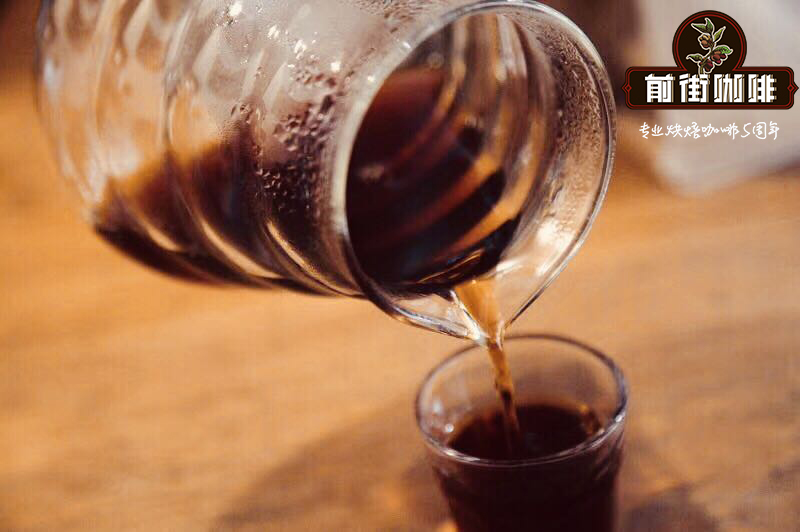
 The standard pour-over duration is best kept at 2 minutes 30 seconds to 3 minutes, with the pouring phase dominating. The pulse-pouring method (such as a central spiral pour plus a circling pour around the edge) can effectively extend extraction time and improve uniformity. If dripping is not complete within 5 minutes, check the grind coarseness or the dripper's flow design; conversely, dripping too early likely means insufficient contact between grounds and water.
 Filter paper choice affects purity of mouthfeel: white unbleached wood-pulp filter paper absorbs impurities but slightly reduces body, while brown unbleached filter paper retains more oils and brings a fuller mouthfeel. Before use, be sure to rinse the filter paper with hot water (about 50 ml) to remove papery taste and preheat the equipment. Metal filters suit drinkers seeking full body, but require a coarser grind (similar to French press standard).
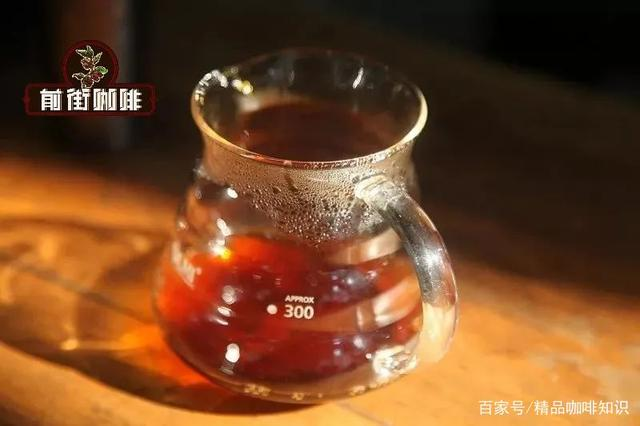 Freshness management determines the flavor dimensions of the final cup: coffee grounds oxidize faster after contact with air, so it is recommended to grind and brew fresh and finish drinking within 15 minutes. For daily storage, keep away from light and sealed (an aluminum can with a one-way exhaust valve is recommended); when ambient humidity exceeds 60%, add food-grade desiccant. Professionals suggest tasting the same bean every two weeks and recording the flavor change curve to develop sensitivity to freshness.


