Pour-Over Dripper Guide: Cone, Wedge & Cake Cup Materials and Flavor
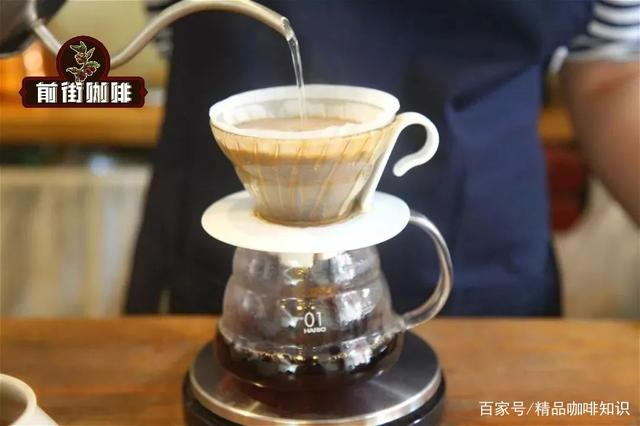
Introduction: Choosing the right pour-over dripper is a key step in enhancing the flavor of single-origin coffee. This article systematically compares the structural differences and extraction characteristics of three mainstream drippers—cone, wedge, and cake—explains the design principles of spiral ribs versus straight ribs, interprets the practical impact of materials such as ceramic, glass, and metal on heat retention, and provides guidance on matching filter papers. Whether you are a beginner or fine-tuning parameters at an advanced level, you will find practical directions for improving extraction stability.
In recent years, pour-over coffee has become a daily choice for many coffee enthusiasts thanks to its customizable flavor experience. But to consistently extract a coffee with rich layers, enthusiasm alone is far from enough—from the dripper's shape to its material, every step directly affects the final taste.
As the core vessel of the pour-over system, the dripper's shape directly determines water flow rate and the way water contacts the coffee bed. Three main structures currently dominate the market: cone drippers are popular for their pointed base that concentrates the flow; wedge drippers achieve gentle extraction through multi-hole dispersion; and cake drippers lower the skill threshold with their special wavy filter paper structure.
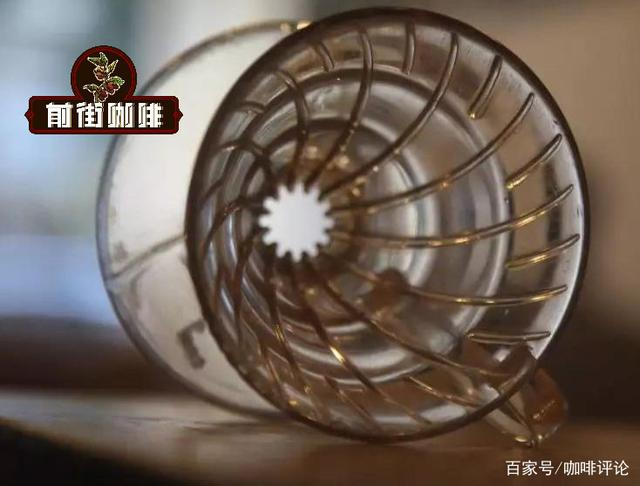
The most common representative cone drippers include the HARIO V60 and the KONO. These drippers taper to a pointed cone at the bottom, with radial ribs guiding the water flow. The spiral ribs (typically the V60) extend the water's path inside the dripper, speeding up drainage while enhancing degassing, making it easier to release citrus acidity and floral-fruity aromas from the coffee—but the pouring rhythm must be controlled precisely to avoid under-extraction. By contrast, the KONO with straight ribs compresses the channels to one-third of the dripper's height, prompting the filter paper to cling tightly to the wall and form a semi-enclosed space, slowing the flow and lengthening contact time between water and grounds, thereby strengthening body; it is also more forgiving for beginners.
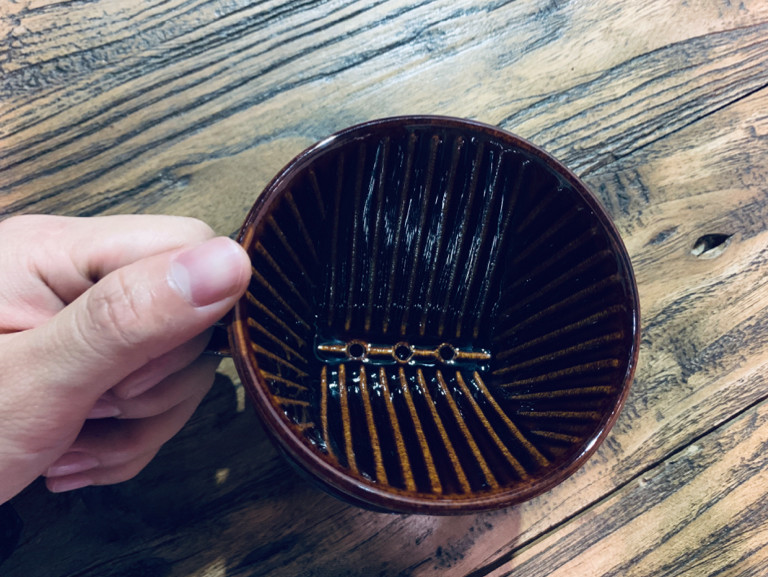
Wedge drippers are distinguished by single-hole or three-hole designs, with Kalita's three-hole version being the most representative. These drippers achieve even outflow through multiple small holes at the bottom; the overall flow rate is lower than cone models, making them better suited to immersion-style extraction. Stable outflow helps maintain temperature balance and produces a full-bodied coffee liquid, but if the immersion time is too long or the water temperature too high, over-extraction can easily bring out woody bitterness. The internal support ribs not only guide the flow but also affect the extraction progress in different areas by adjusting the pressure difference among the holes.
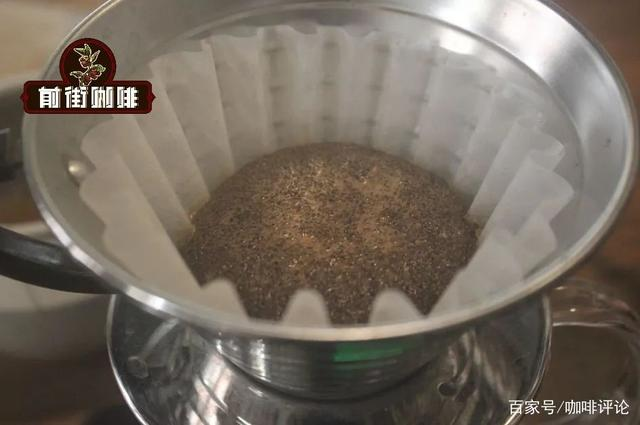
Cake drippers usually have a flat, disc-like shape, and their unique advantage is that the pre-formed wavy filter paper itself constitutes a natural flow channel. These undulating structures create tiny gaps between the dripper and the filter paper, reducing the area where hot water directly contacts the metal/ceramic surface while naturally guiding coffee particles toward the center to ensure extraction evenness. For beginners who have not yet mastered precise flow control, or baristas seeking consistency, this design significantly lowers the difficulty of operation.
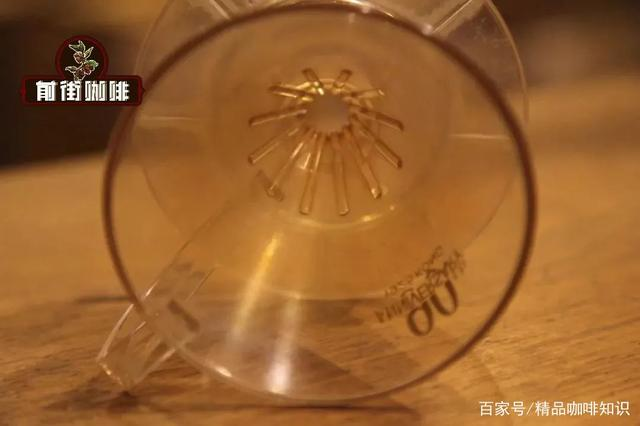
Material choice also has a considerable effect on extraction results. Ceramic drippers, with their dense texture, offer the best heat retention, but they must be fully preheated with hot water beforehand to perform well; metal materials (such as stainless steel) combine durability with rapid heat conduction, suiting scenarios that require quick water-temperature adjustments, but their heat retention is weaker; heat-resistant resin drippers need no preheating, their translucency makes it easy to observe the swelling of the coffee bed, and they lose heat more slowly; glass offers middling heat retention, but its excellent transparency lets users visually monitor the water's spreading speed and changes in the coffee bed's shape.
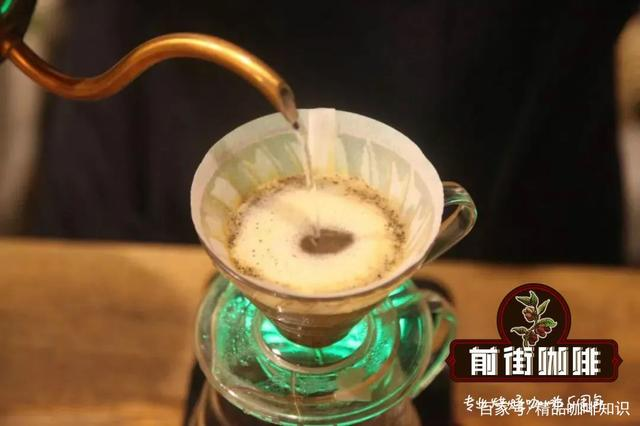
As the final barrier affecting flavor, filter papers come in two common types: unbleached virgin pulp paper and deionized bleached paper. The former carries a slight papery aroma and suits scenarios pursuing absolutely pure flavor; the latter leaves almost no off-flavor residue and offers broader compatibility. When purchasing, be sure to confirm that the filter paper size strictly matches the dripper model—for example, some multi-function drippers (such as origami-style models) are compatible with both V60 standard filters and cake filters, flexibly meeting the needs of beans at different roast levels.


