Pour-over dripper material: resin vs ceramic
Introduction: Pour-over coffee enthusiasts often agonize over the choice of dripper material, especially the common resin and ceramic drippers. These two materials each have their own characteristics in heat retention, thermal conductivity, and user experience, directly affecting coffee extraction and flavor expression. This article takes an in-depth look at the core differences between the two, from material properties to seasonal suitability to practical brewing techniques, to help you make a wiser choice based on your brewing needs.
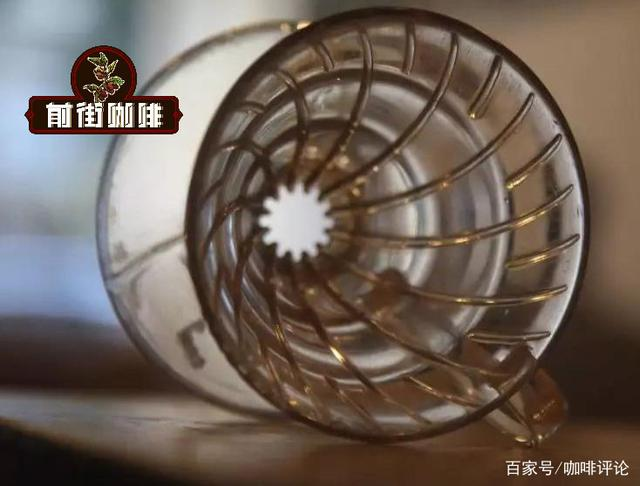
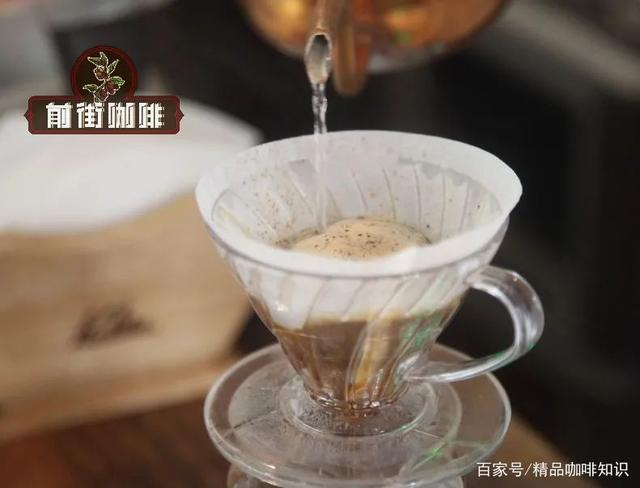
The V60 dripper, a classic tool in the world of pour-over coffee, has become the first choice for many cafes and home brewers thanks to its unique rib-guided flow design and efficient extraction capability. Its signature spiral ribs not only speed up the water flow but also guide the coffee liquid into a swirling path, significantly improving extraction uniformity.
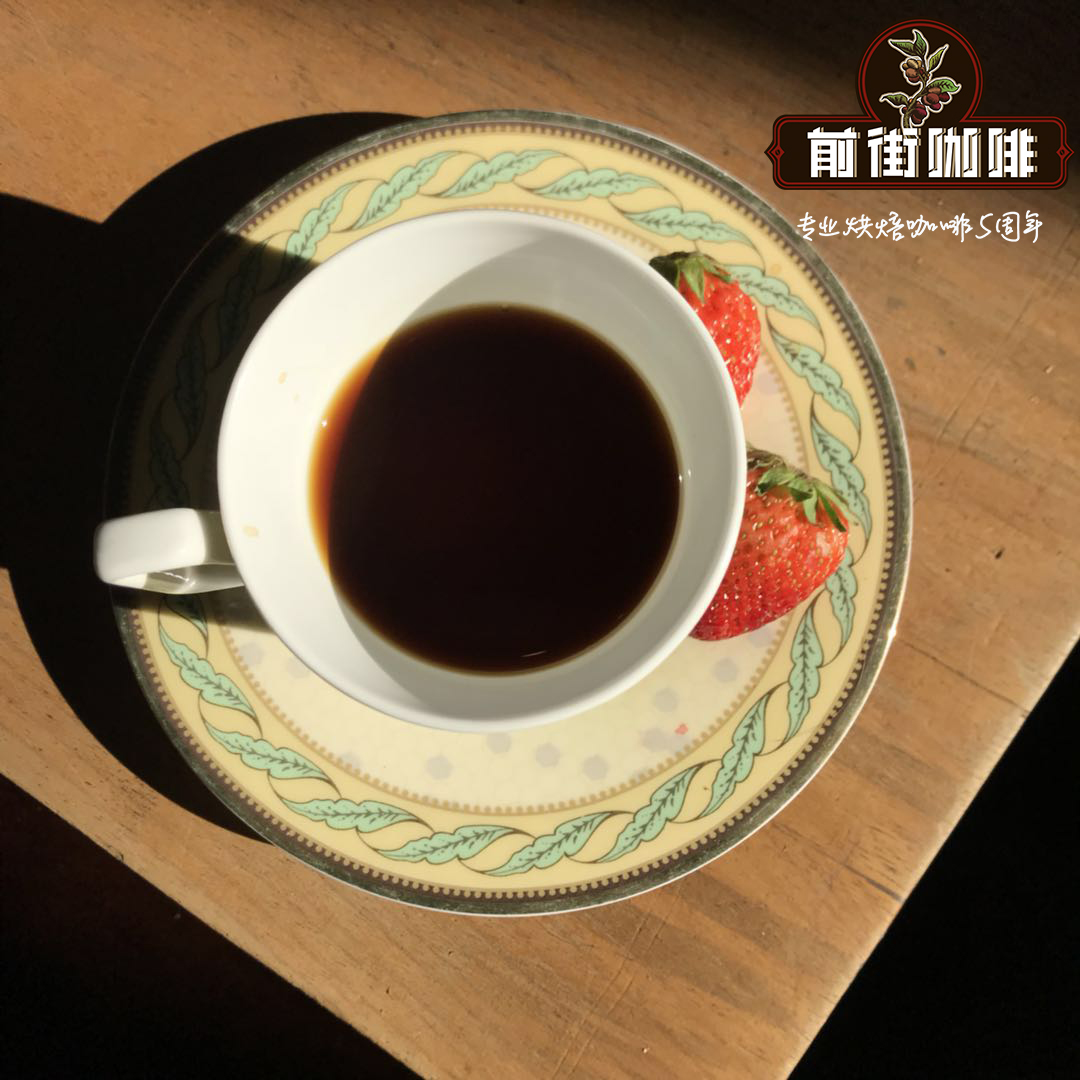
Looking at the V60's large central hole design, you'll see that this single-hole structure, 8-10mm in diameter, is the key to its efficient drainage. Compared with multi-hole drippers, the large-hole design effectively avoids the negative pressure problem during the bloom phase; combined with the swirling effect produced by the ribs, it lets the coffee liquid pass quickly through the coffee bed in a manner closer to "filtration" than "immersion," which is especially important for preserving the coffee's bright acidity and layered complexity.
In terms of material choice, the core difference among resin, ceramic, glass, and metal drippers lies in the specific heat capacity metric. Ceramic and heat-resistant glass typically have a specific heat capacity in the 0.8-1.0kJ/(kg·K) range, with outstanding heat retention; resin (about 1.2-1.5kJ/(kg·K)) and metal (0.4-0.6kJ/(kg·K)) conduct heat faster and have relatively weaker temperature stability. In winter, a ceramic dripper is recommended (it holds heat about 2-3 minutes longer than resin); in summer, resin can be chosen to avoid overheating that draws out bitter compounds.
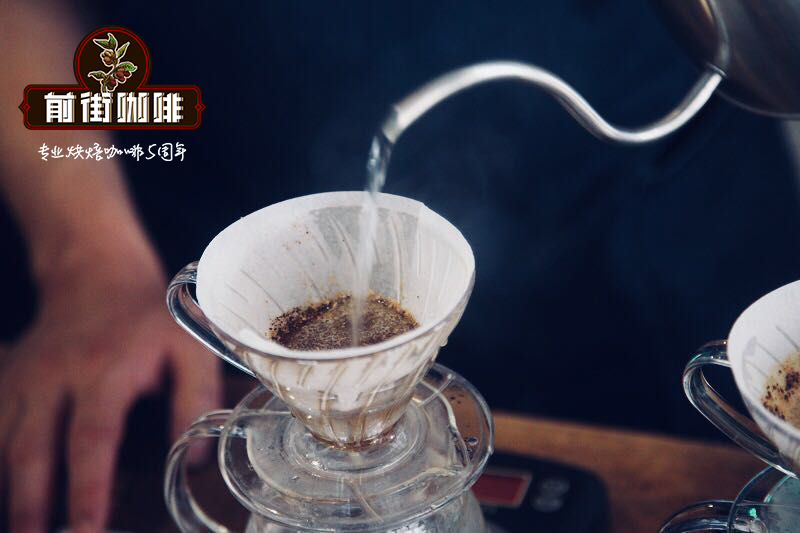
Given the V60's design characteristics, a "timed extraction method" is recommended: keep total time in the 60-90 second range, with the bloom phase using 50-60ml of water for 20 seconds, and subsequent pours maintaining a flow rate of 2-3 drops per second. When pouring in a spiral, keep a clockwise direction to work in synergy with the ribs' flow channels—tests show that correct swirling can raise the extraction yield by 15-20%.
Professional baristas point out three common pitfalls: ①avoid too fine a grind (a setting of 2-4 is recommended, equivalent to 3.0-5.0 on a Fuji Royal) causing poor drainage; ②the pouring height should be kept around 15cm to ensure water flow impact; ③ceramic drippers need to be preheated for more than 30 seconds before use to prevent a sudden drop in initial temperature that affects the early stages of extraction.
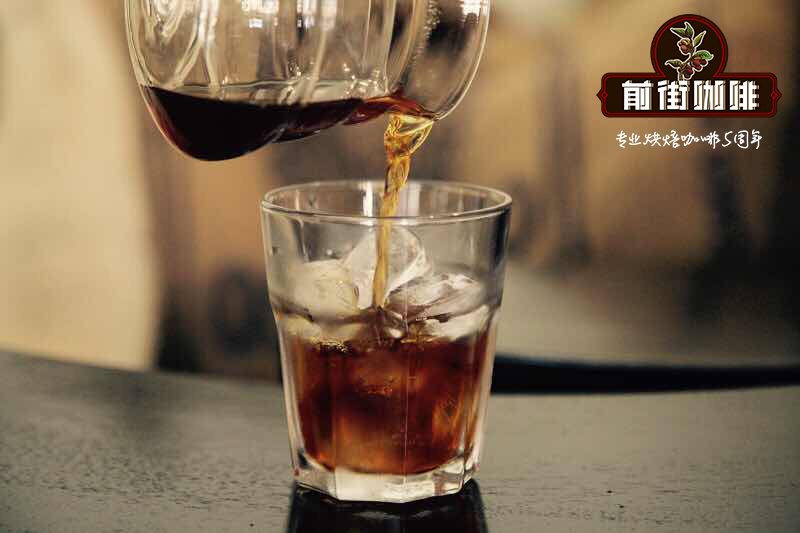
Advanced parameter reference: for grind size, a Ditting 804 grinder is recommended at 7.0-8.0, and the EK43S series can be set to 10.0-12.0; the basic brewing recipe uses 20g of coffee to 240-280ml of water, with a water temperature range of 86-92°C. To adjust flavor, try the Bypass technique—after the main brew, add 50-100ml of hot water according to taste to adjust concentration.
Seasonal suitability advice: in winter, prioritize a ceramic dripper with a wall thickness of 3mm or more (heat retention improves by about 18%); in summer, consider a food-grade PP resin dripper (conducts heat about 1.5 times faster than ceramic). Regularly check the seal at the dripper's rim; deformation of more than 1mm will affect the swirling effect, so replacing the dripper every 1-2 years is recommended to ensure optimal extraction.


