Is Jamaican Blue Mountain Coffee Worth Trying? Is Pour-Over Blue Mountain Black Coffee?
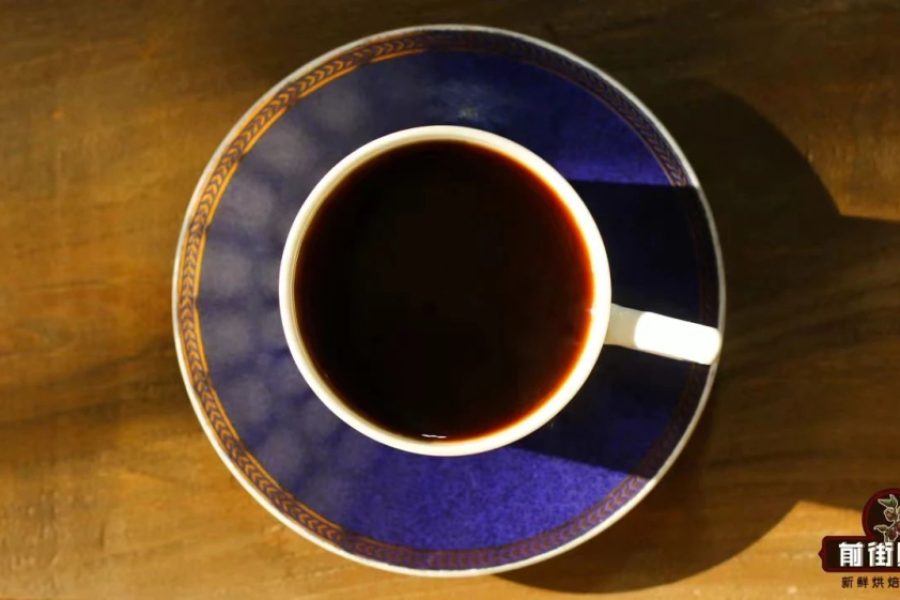
Introduction: Jamaican Blue Mountain coffee has long been regarded as one of the top representatives of the coffee world, famous for its unique growing environment and strict production standards. But many people do not understand its true flavor, whether it is black coffee, or how to brew it. This article takes an in-depth look at Blue Mountain coffee's history, regional characteristics, processing methods and flavor profile, and offers practical pour-over suggestions to help coffee lovers fully understand this legendary coffee.
When people mention Jamaica, many think of sprint star Usain Bolt, but for coffee lovers, the most famous thing here is Jamaican Blue Mountain coffee. It was once honored as the "Emperor of Coffee" and is one of the few coffees in the world that combines origin scarcity with a distinctive flavor. However, despite its fame, few people truly understand and have tasted Blue Mountain coffee. Today let us take a deeper look at this highly praised coffee treasure from the Caribbean island nation.
Jamaica's coffee-growing history dates back to the early 18th century. In 1717, King Louis XV of France ordered an attempt to grow coffee in Jamaica, and by the mid-1720s, Sir Nicholas Lawes, then governor of Jamaica, introduced Arabica coffee seeds from Martinique and successfully trial-planted them in the St. Andrew area. These coffee trees were later gradually transplanted to the Blue Mountain range, opening the legendary chapter of Jamaican Blue Mountain coffee. Depending on altitude and growing conditions, coffee here is classified into several grades, including Blue Mountain coffee, High Mountain coffee and ordinary Jamaican coffee, among which Blue Mountain is undoubtedly the finest.

The Blue Mountain range lies in the east of Jamaica, with continuous mountains reaching a maximum altitude of 2,256 meters. Because it is surrounded by the Caribbean Sea, sunlight reflecting off the sea casts a blue glow against the mountains, making the whole range look azure and magnificent on clear days, hence the name "Blue Mountain." The highest area above 1,700 meters is a protected zone and is not used for cultivation, while the altitude range suitable for coffee growing is mainly between 910 and 1,700 meters. This area has a mild climate, annual average rainfall of nearly 2,000 mm, temperatures around 27°C year-round, and mineral-rich volcanic soil, providing ideal conditions for high-quality coffee.
It is worth noting that only coffee grown within the officially designated area, at a suitable altitude, and of the Typica variety can be called "Jamaican Blue Mountain coffee." Typica is a classic but delicate variety with weak disease resistance and low yields per unit area, and it places extremely high demands on the growing environment and management. In addition, because of the complex Blue Mountain terrain, picking and processing rely heavily on manual experience, which also makes overall output scarce—currently less than 15% of Jamaican coffee each year qualifies to be labeled Blue Mountain coffee, totaling about 900 tons.

Traditional Jamaican Blue Mountain coffee uses the washed process. After manual picking, coffee cherries are quickly given an initial sorting to remove unripe or overripe fruit, and the pulp is removed within 12 hours. Then comes the traditional washed fermentation stage, after which the beans are moved to concrete platforms for sun drying. The entire drying process must be strictly controlled; slow and even sun drying helps concentrate and enhance flavor. When the moisture content of the beans drops to 11%–13%, they are moved into temperature- and humidity-controlled warehouses for 2 to 3 months of aging to ensure the flavor stabilizes. During aging, warehouse temperature is generally kept at 24–25°C, with humidity controlled by dehumidifying equipment.
For packaging, Jamaica still uses the wooden barrel packaging method rarely seen elsewhere in the world. After manual sorting to remove defective beans (such as broken, discolored and moldy beans), green beans are handled one by one by skilled workers, who can process only about 75 pounds of green beans per day. Between each processing step, beans are carefully transferred in wooden basins to prevent damage. Finally, this batch of coffee beans, checked at every stage, is packed into the wooden barrels unique to Jamaican Blue Mountain and subjected to strict inspection by the Jamaica Coffee Industry Board (CIB) before export to ensure its flavor and quality meet standards and it can receive official certification.

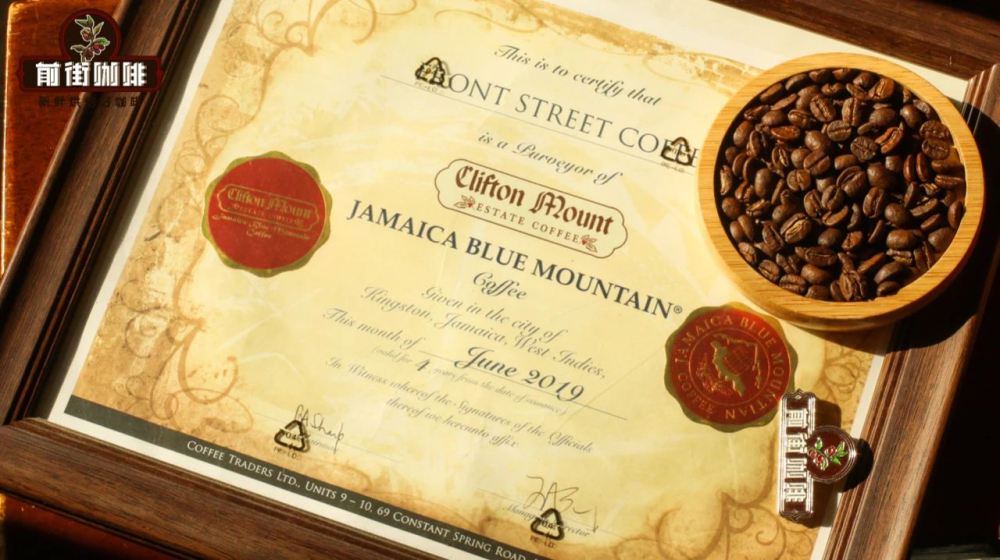
The Jamaican government has strict production and regional regulations for Blue Mountain coffee, and only coffee meeting multiple standards can be granted the "Blue Mountain" title. It is worth noting that Jamaica was once one of the few countries that insisted on roasting coffee locally, in order to ensure flavor consistency. But as the global consumer market has changed, Blue Mountain green beans are now allowed to be exported, and consumers can roast them outside the place of origin for a fresher flavor experience. At the same time, every legally exported batch of Blue Mountain coffee comes with relevant certificates issued by the Jamaica Coffee Board to ensure its authenticity.
Certifications issued by the Jamaica Coffee Board fall mainly into three categories: first, the official quality certificate, which records in detail the batch, quantity and inspection results; second, the sales certificate provided by authorized sales companies, all of which are government-licensed legitimate processors and exporters; and finally, the certificate of origin, which proves that the coffee indeed comes from the designated Blue Mountain region of Jamaica. This multi-layered certification system allows genuine Blue Mountain coffee to maintain high recognition and market trust worldwide.

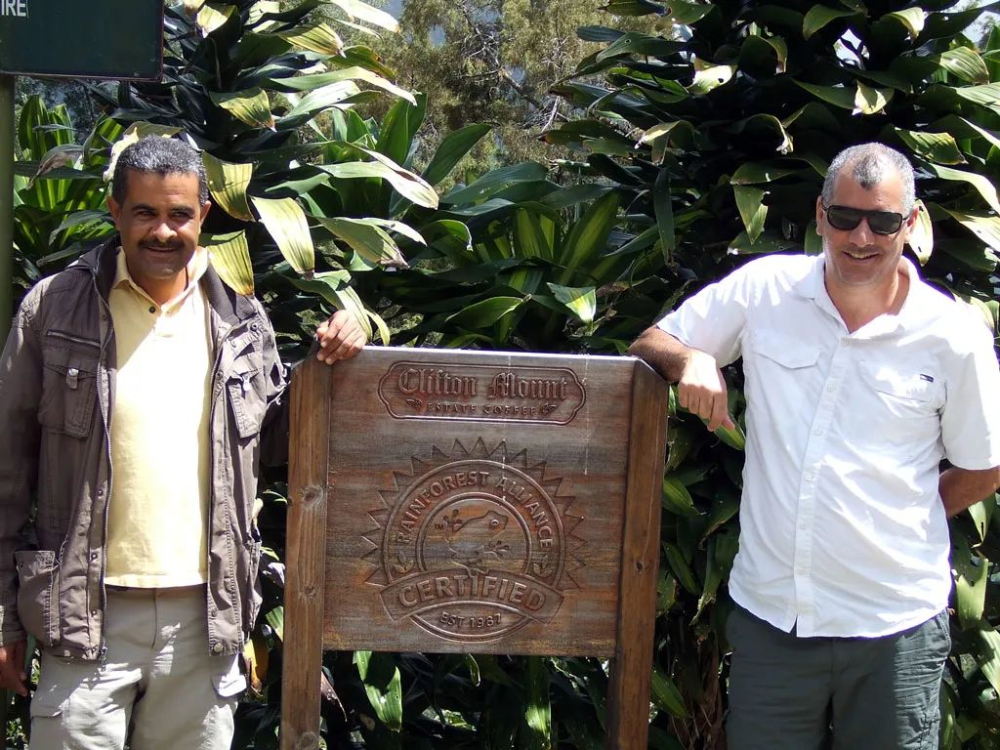
Blue Mountain coffee production is concentrated mainly in several well-known estates, including Clifton Mount Estate, Stoneleigh Estate, Gold Cup Estate and RWS Coffee Estate. Among them, Clifton Mount Estate has a long history with nearly 200 years of growing tradition and is also the only Blue Mountain estate to obtain the "Rainforest Alliance" certification mark; its coffee is known for balanced acidity and sweetness, a full body and rich aromatic layers. Stoneleigh Estate works more with the Japanese market and, although less known domestically, also delivers stable quality. Gold Cup Estate is relatively young, with only a 20-year history, but it integrates the resources of two century-old estates and has more modern management. RWS Coffee Estate was formed by the merger of three estates with a century of history and is committed to advancing the overall development of Blue Mountain coffee.

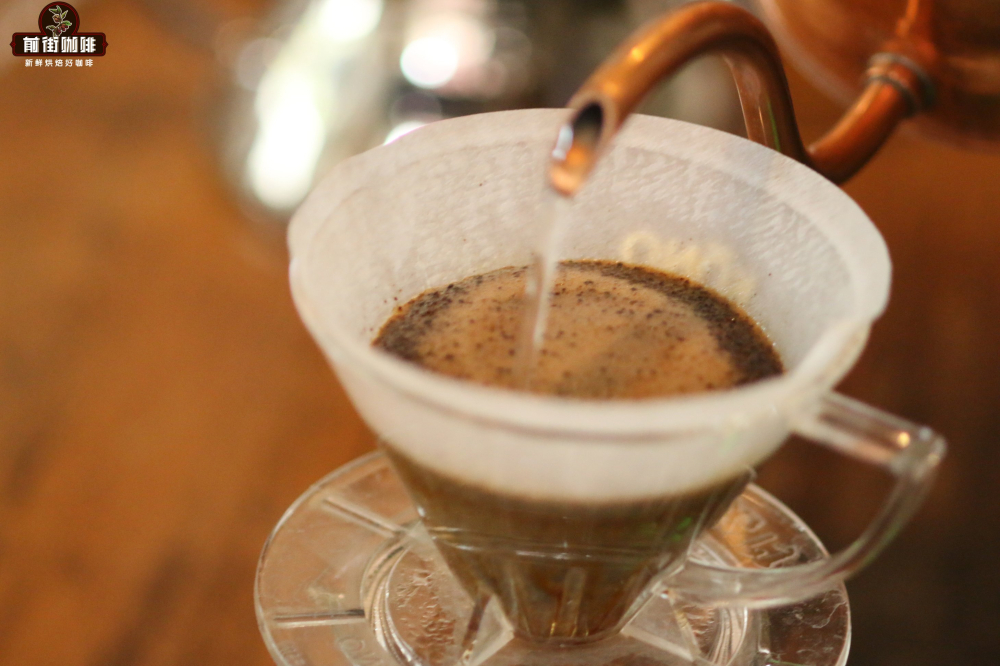
For coffee lovers, brewing Blue Mountain coffee is not only a treat for the palate but also a ritual-filled experience. Among brewing methods, pour-over is one of the most common ways to highlight its multi-layered flavor. It is recommended to use medium-dark roasted Blue Mountain coffee beans, which can strengthen body and sweetness while preserving acidity and aroma. For pour-over parameters, the following suggestions can be used as a reference: water temperature around 88°C, 15 grams of ground coffee, a coffee-to-water ratio of 1:15, and a grind size roughly 75% passing a Chinese standard No. 20 sieve. Because the beans are quite fresh, it is recommended to bloom for about 30 seconds before brewing to release carbon dioxide and promote subsequent flavor extraction.
In practice, first pour 30 grams of water in the center for a 30-second bloom. Then gradually pour in circles up to 125 grams, and after the water level drops, continue pouring up to 225 grams; the whole extraction process should be kept to about 2 minutes. This brewing method can fully bring out the nutty and dark chocolate flavors characteristic of Blue Mountain coffee, with a round, smooth mouthfeel and a harmonious balance of acidity, sweetness and bitterness—a specialty coffee worth savoring slowly.