Jamaican Blue Mountain Coffee: Flavor, Sweetness, Price and Buying Guide
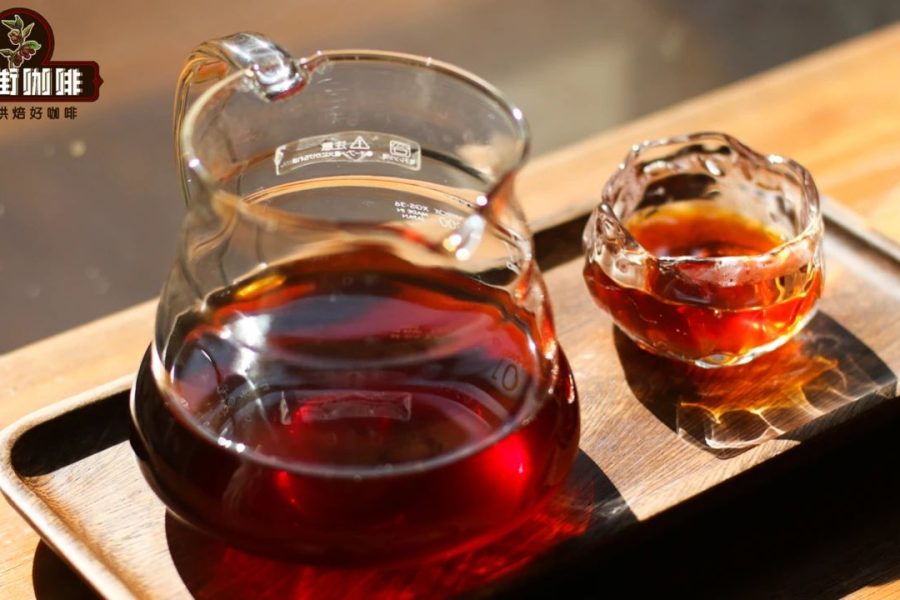
Introduction: Why is Jamaican Blue Mountain coffee so highly regarded? Where does its sweetness come from? Is the price really prohibitively high? This article provides an in-depth analysis of Blue Mountain coffee's growing environment, flavor characteristics, grade classification, and brewing parameters, revealing the true nature of this top-tier coffee. It also offers professional pour-over recommendations to help you truly appreciate Blue Mountain coffee.
Jamaican Blue Mountain coffee is widely recognized as one of the world's finest coffees. Its popularity stems not only from its scarcity but also from its unique flavor and balance. Some describe it as mellow and smooth, others are drawn to its sweet, lingering aftertaste, and some remain skeptical about its flavor. In reality, these differences largely arise from individual taste preferences. Blue Mountain coffee exhibits extremely high purity, with a balance of acidity, sweetness, and bitterness, and a clean finish, making it a benchmark for many seasoned coffee enthusiasts.
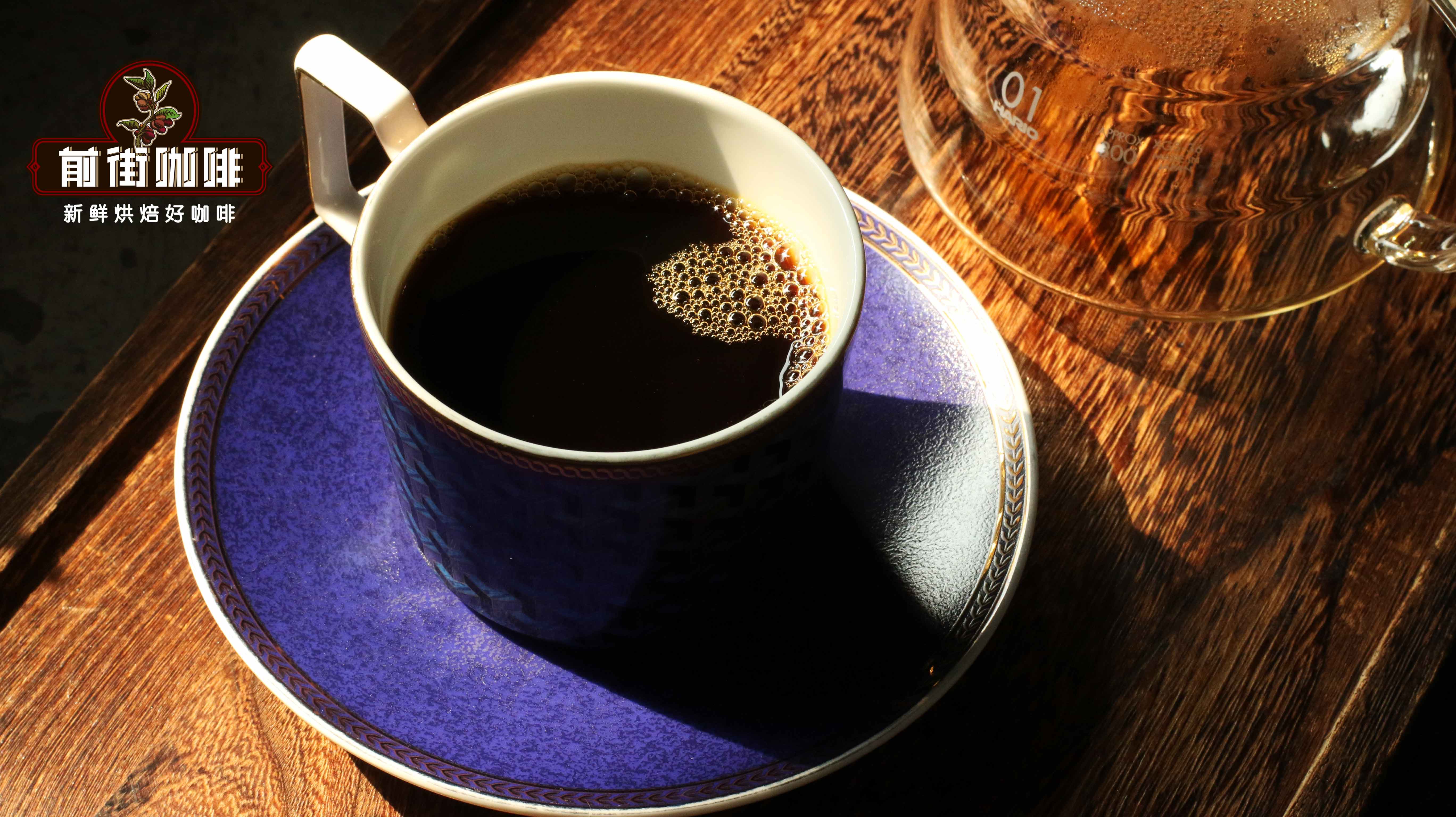
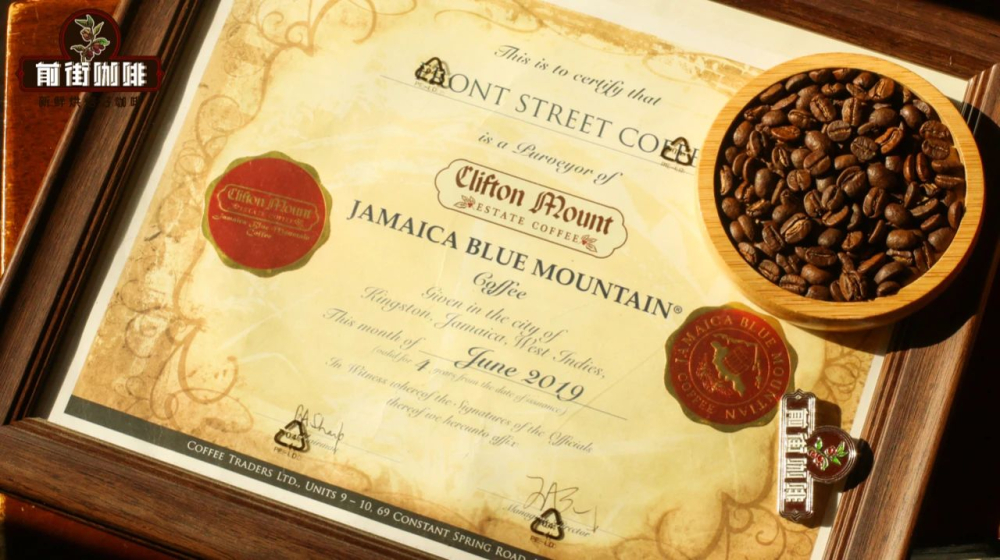
There have long been many misconceptions about the price of Blue Mountain coffee. In the past, due to limited imports, products labeled "Blue Mountain flavor" appeared on the market as counterfeit goods, leading consumers to pay high prices without necessarily tasting genuine Blue Mountain coffee. The situation has improved today. As demand in the Chinese market grows, Jamaican Blue Mountain coffee production has gradually expanded, and more legitimate channels have been introduced. With relevant knowledge, consumers now have the opportunity to taste authentic Blue Mountain coffee. Of course, precisely because production is scarce, its price remains in the high-end range.
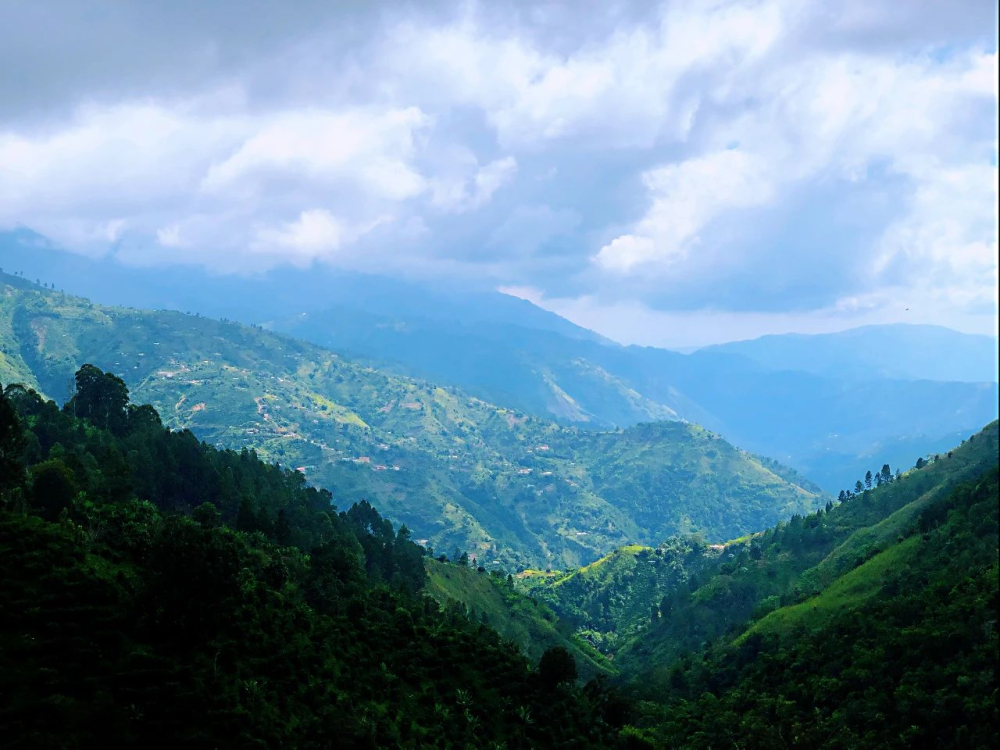
What creates the unique flavor of Blue Mountain coffee is its exceptional growing environment. True Blue Mountain coffee is produced only in the Blue Mountain range of Jamaica at elevations above 800 meters; the higher the elevation, the better the flavor tends to be. The growing area at around 1,310 meters is particularly renowned. The Blue Mountain range is located in eastern Jamaica, surrounded by the Caribbean Sea. Sunlight reflecting off the sea creates the iconic blue mountain scenery. Here, the volcanic soil is fertile, the air is clean and pollution-free, and the climate is humid and misty, with annual rainfall approaching 1,980 mm and temperatures stable around 27°C, providing nearly perfect growing conditions for coffee trees.
It is worth noting that even the same coffee variety grown in other regions such as Hawaii, Kenya, or Papua New Guinea cannot replicate the flavor of Blue Mountain coffee. Additionally, Blue Mountain coffee has a low caffeine content, less than half that of regular coffee, aligning with modern consumers' pursuit of healthy beverages. This combination of factors makes Blue Mountain coffee not only unique in flavor but also more in line with current healthy dietary trends.
So how much is a cup of pure Blue Mountain coffee really worth? Based on internationally accepted green bean prices, the imported roasted bean price for Blue Mountain coffee is approximately 1,200 RMB per pound (about 450 grams). Assuming about 7 grams of green beans per cup, one pound can make roughly 50 to 60 cups, resulting in a raw material cost of about 20 to 24 RMB per cup. Adding costs for shop operation, labor, and equipment depreciation, a retail price of around 50 RMB is not uncommon. In earlier years, "Blue Mountain" coffee selling for over a hundred RMB per cup circulated domestically, much of which was not genuine. Today, although authentic prices remain high, purchasing through legitimate channels allows you to experience its flavor at a more reasonable price. For example, some channels offer Blue Mountain coffee at around 60 RMB per cup, allowing you to taste its signature clean sweetness and low bitterness.

There are many coffee products on the market bearing the words "Blue Mountain," but not all come from Jamaica. In fact, Jamaican Blue Mountain coffee has an extremely limited annual production, and for a long time, most of its output was monopolized by the Japanese market, at one point accounting for 85%, with only a small amount allocated to the United States, Europe, and other regions. According to International Coffee Association statistics, China's current Blue Mountain coffee consumption accounts for about 15% of global authentic Blue Mountain consumption. This also explains why many Chinese consumers are particularly fond of Blue Mountain coffee yet have always faced the challenge of scarce authentic products.
Jamaican Blue Mountain coffee is divided into three main grades based on origin and processing standards: Blue Mountain Coffee, Jamaica High Mountain Supreme, and Jamaica Prime Coffee. Among these, Blue Mountain Coffee and High Mountain Coffee are each further subdivided into two grades, with the overall quality ranking as follows: Blue Mountain No. 1 > Blue Mountain No. 2 > High Mountain No. 1 > High Mountain No. 2 > Jamaica Coffee. Notably, the selected peaberry (PB) within Blue Mountain No. 1, known as "pearl beans," is grown above 2,100 meters. These small, plump beans have a more concentrated and intense flavor, making them the finest among Blue Mountain coffees.

The bean variety of Blue Mountain coffee is Typica, one of the oldest Arabica subspecies. Typica plants are tall with bronze-tipped leaves, and the fruit turns bright red when ripe. The flavor is elegant and delicate, but cultivation is difficult, disease resistance is weak, and yield is relatively low. This provides a natural foundation for its unique flavor. The wooden barrel packaging of Blue Mountain coffee is also distinctive; Jamaica is one of the few producing regions worldwide that still insists on using traditional wooden barrels to transport green beans, which helps maintain the freshness and original flavor of the coffee beans.
In terms of processing, traditional Blue Mountain coffee is primarily washed, using meticulous pulping, fermentation, and washing processes to ensure complete removal of mucilage and impurities, ultimately presenting a clean and bright taste. In recent years, to meet diverse market demands, some estates have begun experimenting with natural processing, bringing different flavor dimensions to Blue Mountain coffee. The washed method remains regarded as the processing method that best expresses the classic Blue Mountain flavor, while the natural method offers possibilities for exploring new flavors.
To brew an excellent cup of Blue Mountain coffee at home, consider the following parameters: use a Kono dripper, water temperature at 88°C, coffee-to-water ratio of 1:15, medium grind (about 75% passing through a Chinese standard No. 20 sieve), and 15 grams of coffee. Use a three-stage extraction: first bloom with 30 grams of water for 30 seconds, then pour in a slow circular motion until the scale reads 125 grams, pause, and when the water level is about to expose the coffee bed, continue pouring until 225 grams. Total extraction time is about 2 minutes. This method helps fully reveal the nutty and dark chocolate base notes of Blue Mountain coffee while highlighting its soft, creamy texture and sweetness.

Finally, for the best flavor experience, choose freshly roasted Blue Mountain coffee beans, ideally within 5 days of roasting when the flavor is most vibrant. Most coffee beans have a resting period of 4 to 7 days, during which the flavor gradually reaches its peak. Whether you are a first-time taster or a seasoned enthusiast, proper brewing methods and parameter adjustments will help you better appreciate the unique charm of this world-class coffee.