Siphon Coffee Explained: Crema Tips and Home Brewing Guide
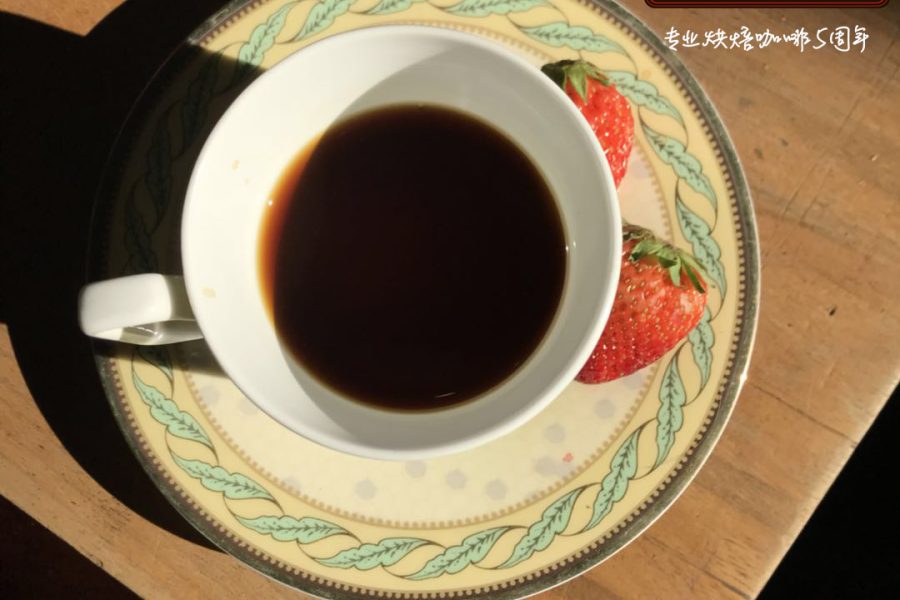
Introduction: Siphon coffee, with its striking visuals and rich body, is an advanced choice for coffee enthusiasts. This article takes a deep look at how the siphon works, explains the full process from the history of the equipment to scientific extraction, provides precise coffee-to-water ratios and timing parameters, and includes professional operation diagrams to help you recreate a café-level siphon coffee experience at home.
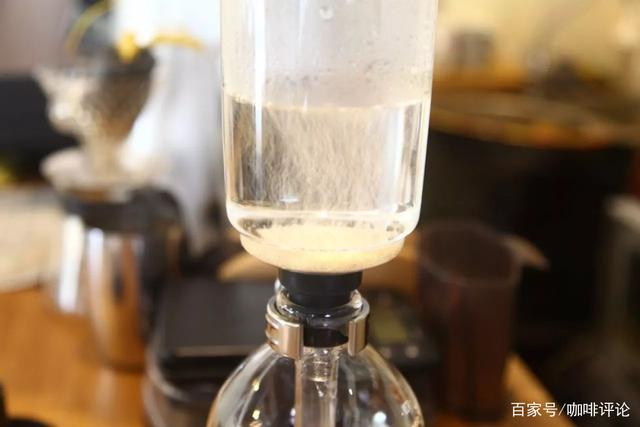
Among coffee brewing devices, the siphon stands out for its dramatic extraction process. Steam pressure from heating pushes hot water from the lower chamber up into the upper chamber, where it meets the coffee grounds; then, when the heat source is suddenly removed, a siphon effect forms and the liquid flows back down. The whole process is as precise and elegant as a miniature chemistry experiment. This unique double-heating mechanism creates the special flavor layers of siphon coffee, sitting between espresso and pour-over.
The prototype of the modern siphon was born in the laboratory environment of the mid-19th century. Inspired by vacuum tubes, a British scientist created the first prototype device for extracting liquid via air pressure difference, which was later improved by French craftsmen into a practical upper-and-lower two-chamber structure. As it spread across the ocean, in the mid-20th century Japanese artisans gave it a tradition of precise parameter control, while Nordic designers injected a functional-aesthetic innovation, ultimately forming today's classic device that combines science and artistry.
Its working principle is based on basic physical laws: when the lower chamber is heated to boiling, each gram of water converted to steam expands about 100 times in volume, and the resulting steam pressure pushes the hot water through the central tube into the upper chamber, which holds the filter cloth and coffee grounds. When the heat source is removed, the temperature of the lower chamber drops sharply and the air pressure contracts; the coffee liquid in the upper chamber then flows back through the fine filter cloth into the lower chamber under the combined action of gravity and the remaining steam pressure difference. The entire extraction process is strictly controlled within a window of 1 minute 10 seconds to 1 minute 30 seconds, ensuring full dissolution of flavor compounds without over-extraction.
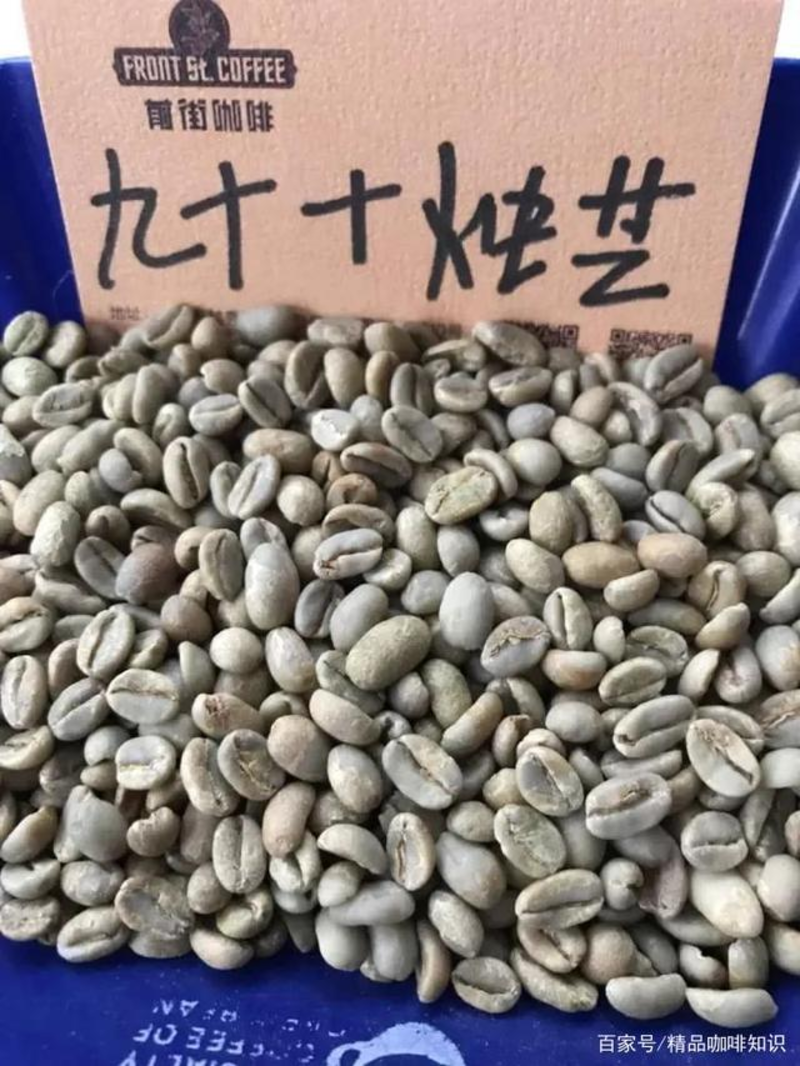
Professional-level brewing requires attention to three key elements: a coffee-to-water ratio of 1:12 to 1:16 is recommended (adjusted according to bean type), a grind size equivalent to fine granulated sugar (about 70% passing a No. 20 standard sieve), and a water temperature maintained at 92-94°C to avoid scalding the coffee grounds at high temperatures. During operation, watch the bubbles in the lower chamber—when a continuous cluster of fine bubbles appears, that is the best moment to insert the upper chamber; vertical alignment minimizes uneven extraction caused by channeling.
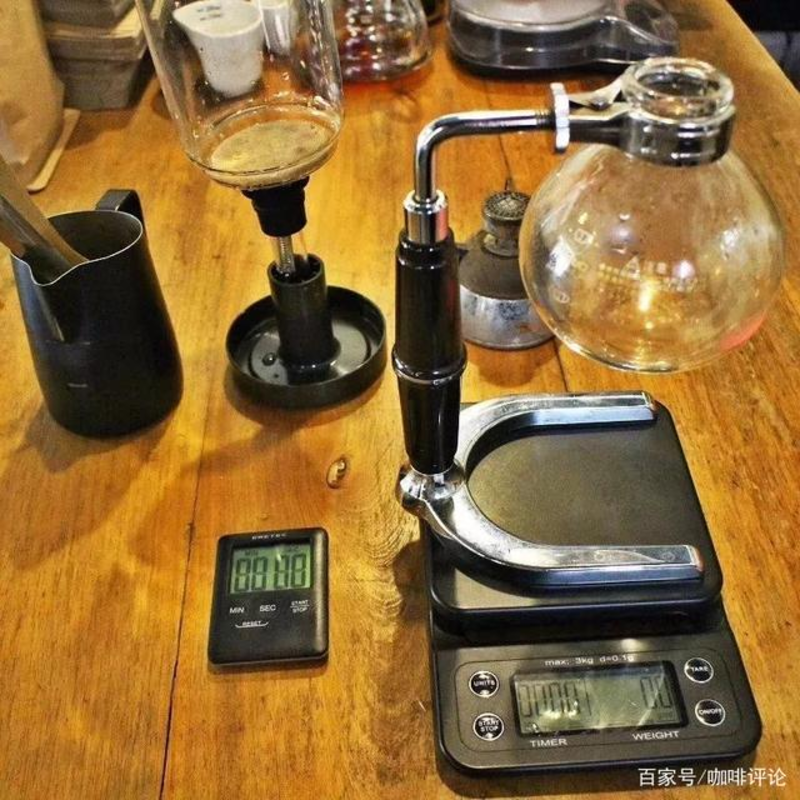
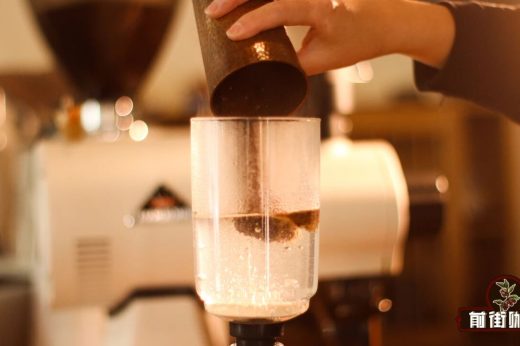
The specific procedure involves six precise control points: first, fill the preheated lower chamber with 225-300 ml of purified water (adjust according to the chamber capacity), and be sure to wipe dry any water droplets on the outer wall to prevent localized overheating; when assembling the upper chamber, make sure the filter cloth holder is firmly clipped onto the positioning ring of the central tube—insert at an angle to position it, then straighten it and insert vertically. When you observe a dense cluster of small bubbles on the water surface in the lower chamber (about 3-5 bubbles per second), immediately seal and connect the upper and lower chambers.
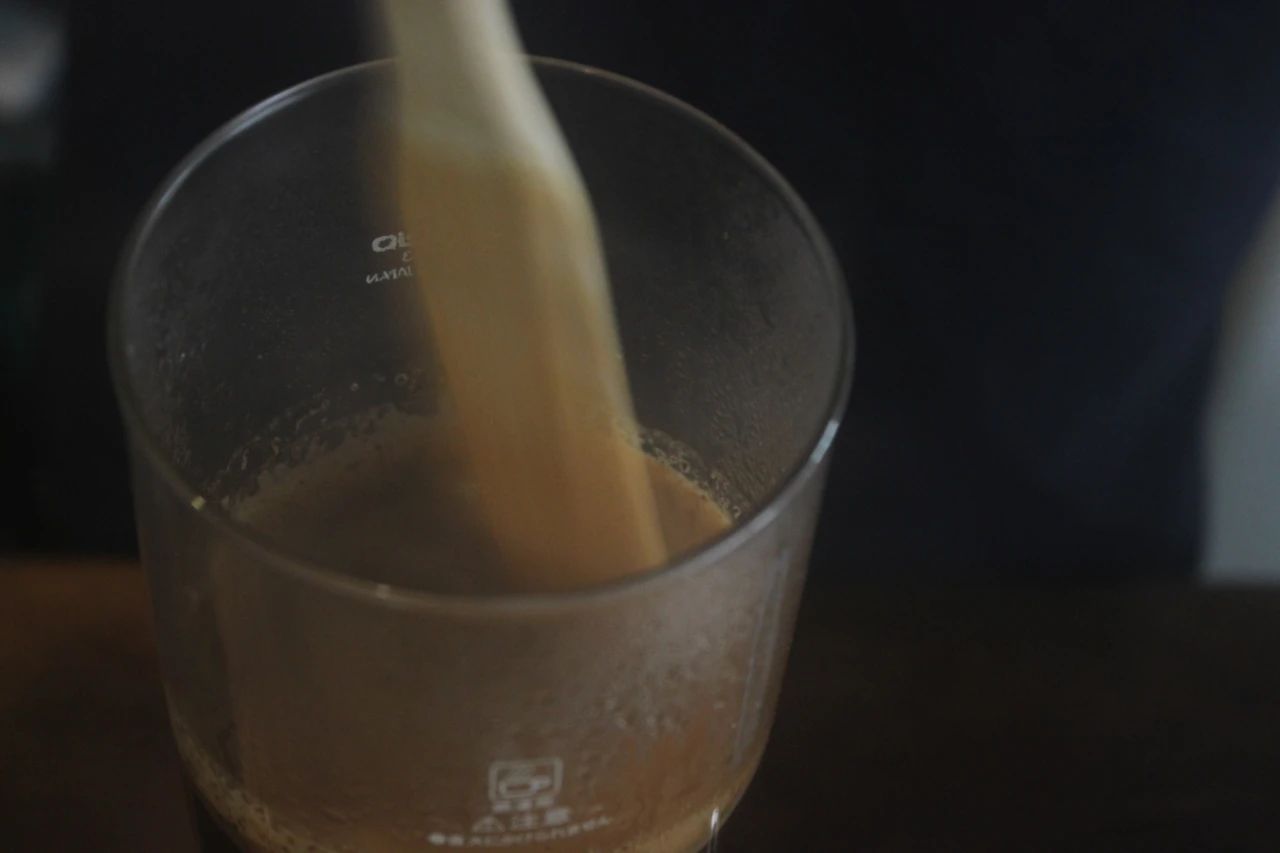
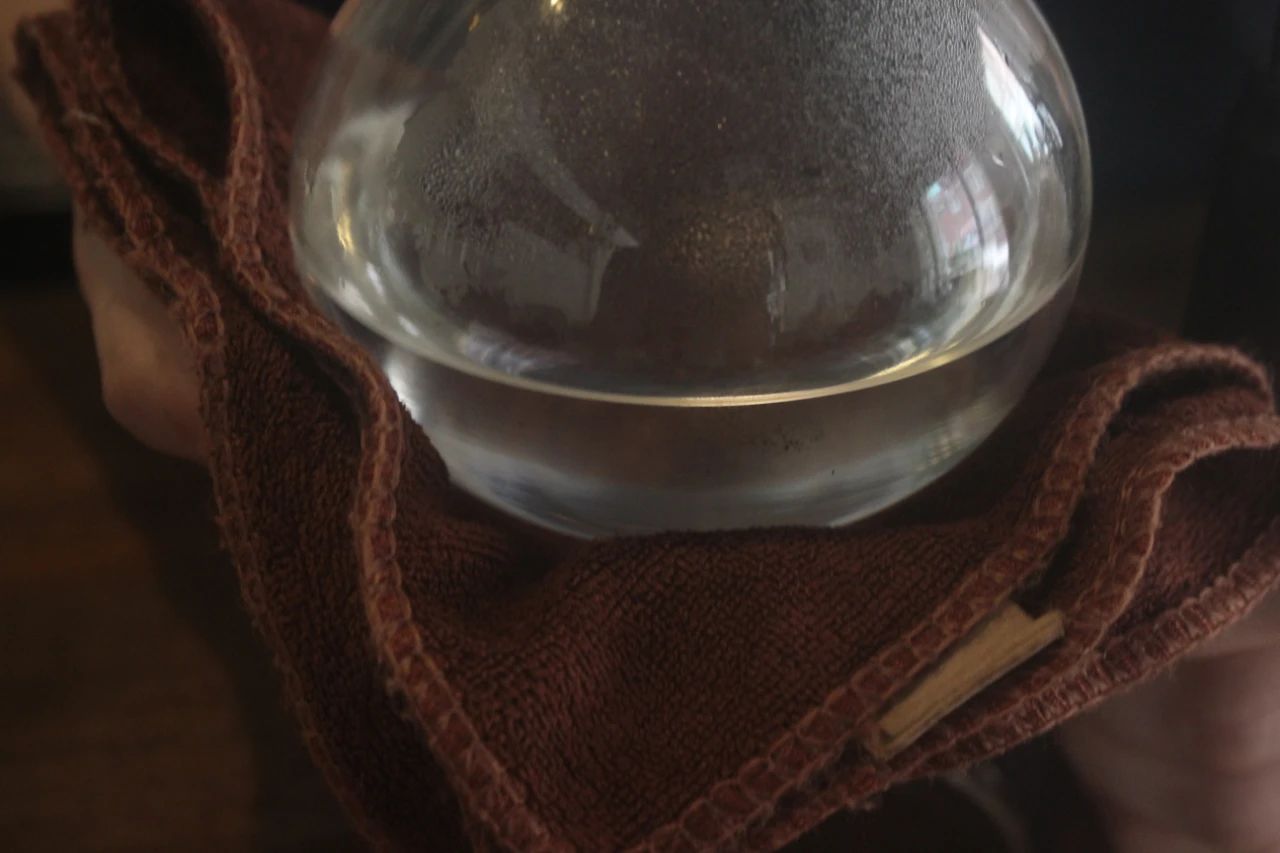
Coffee grounds should be added by sliding them slowly down the inner wall of the upper chamber, avoiding direct impact on the filter cloth that could cause local clogging. Professionals recommend a three-stage stirring method: after the first addition of grounds, immediately stir for 10 seconds in a "no"-shaped (loop) path to ensure complete saturation; when the coffee liquid rises to the top mark, wait 45 seconds and then perform a second stage of counterclockwise spiral stirring for 5 seconds to break up clumps; finally, when the total extraction time reaches 1 minute 05 seconds to 1 minute 15 seconds, decisively remove the heat source, and at the same time wrap the outer wall of the lower chamber with a pre-moistened kitchen towel to accelerate the return flow (this can shorten the return time by about 15-20 seconds).
The flavor profile of siphon coffee shows a clear three-stage progression: the initial sip has an obvious nutty and caramel base, the middle reveals a rich black-tea-like texture, and the finish blooms with a lingering honey-like sweetness. Compared with other brewing methods, its higher extraction rate of 1.2-1.5% brings sour and bitter compounds to a special balance point, making it especially suitable for expressing the citrus notes of Central American beans or the berry aromas of African beans. Note that excessively prolonging the heating time will cause excessive release of tannic acid and produce obvious astringency, while uneven stirring force may create contradictory flavors of local over-extraction and under-extraction.
Equipment maintenance directly affects coffee quality: after each use, immediately disassemble and clean the filter cloth, as residual coffee oils will cause a paper-pulp taste in subsequent brews. Food-grade silicone lubricant is recommended for the glass joints to maintain an airtight seal; when not in use for a long time, disassemble the parts and store them in a dark, dry place. Advanced users can try adjusting the heat intensity (a windproof alcohol lamp or induction cooktop with precise temperature control is recommended), or switch to filter cloths with different porosities (fine cloth improves clarity, coarse cloth retains more oils).
For enthusiasts pursuing crema expression, three key techniques can help: first, choose freshly roasted light-to-medium roast beans (roast level recommended between City and Full City); second, control the stirring force to avoid excessively breaking the cell walls; and finally, keep the lower chamber temperature stable during the return-flow stage (achievable by preheating the base). A high-quality siphon coffee will show a thin, persistent amber oil film on the surface—the result of the pectin layer substances of quality coffee cherries working together with aromatic esters.
From parameter control to visual presentation, siphon coffee represents the fusion of science and artistry in coffee brewing. Mastering this extraction philosophy that originated in 19th-century laboratories not only lets you recreate a professional-level coffee experience at home, but also deepens your understanding of the essential composition of coffee flavor through precise variable control. Beginners are advised to start with the basic parameters and adjust gradually, recording the water temperature, time, and flavor changes of each brew, to ultimately find the perfect balance point that suits their personal taste preferences.