Finca Hortigal, Panama: Growing and Processing High-Altitude Typica Coffee
Introduction: Visit Finca Hortigal, a century-old coffee farm in Panama's Boquete highlands, and learn how this woman-run family farm creates its distinctive Typica coffee through precise cultivation and scientific processing. From the volcanic soil at 1,400-1,600 meters to a compound processing method that combines washing, sun-drying and mechanical drying, this article details the five core factors that shape coffee flavor, with a professional-level tasting guide.
Set in the cloud belt of Panama's Boquete highlands, Finca Hortigal has been tended by the Suárez family since 1920. Today this 34.5-hectare coffee farm is run entirely by Ela María Suárez and her mother-and-daughter team, who cultivate Panama's native Typica variety on steep slopes at 1,400-1,600 meters. These old coffee trees can grow 3-3.6 meters tall, with rare deep blue-green leaves.
The farm's geography is exceptionally favored: the microclimate formed by Volcán Barú (5,465 meters) and Cerro Jojita, together with mineral-rich volcanic soil and natural shade from native trees, creates an ideal environment with an 8-10°C day-night temperature swing. Notably, the coffee trees' roots can absorb more trace elements here, which is the foundation for flavor complexity.
For cultivation management, the Suárez family uses precise ratio fertilization—adjusting the nitrogen, phosphorus and potassium ratios based on quarterly soil test data, which both ensures stable output of about 1,800 kg per hectare and keeps fertilizer use below 60% of the industry average. The harvest strictly follows a ripeness grading system, picking only plump red cherries, with weight records and initial sorting immediately after each day's harvest.
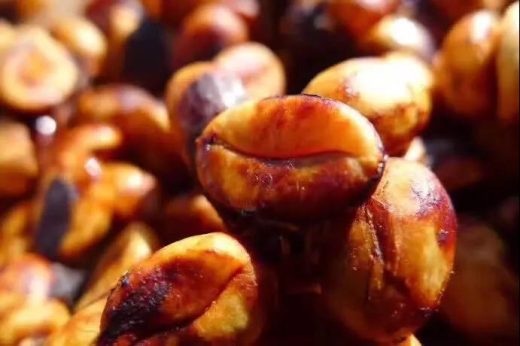
Processing is key to Hortigal's flavor formation. The picked coffee cherries first pass through a flotation machine to remove debris and unripe fruit, then undergo three-stage processing at a plant beside the Boquete-David road adjacent to the farm: first thoroughly washed with mountain spring water, then sun-dried on traditional African raised beds to 45% moisture content, and finally moved to temperature-controlled dryers to stabilize moisture at 11-12%. Owner Doña Ela emphasizes: "The drying process requires turning 3-4 times daily to ensure the mucilage layer dehydrates evenly."
Storage is equally meticulous. The warehouse, built with Ternium steel, has constant temperature and humidity (daily average 18-22°C, 65% humidity). Freshly harvested beans rest here for 30-45 days to complete a "resting period," during which sugar conversion and acid polymerization significantly enhance flavor layers. The warehouse's raised design, 30 cm off the ground, effectively prevents moisture from the floor.
The classic flavor matrix this Typica coffee ultimately presents includes: brown-sugar-like caramel sweetness, bright citrus acidity, a rich dark chocolate base, and a grainy finish reminiscent of whole-wheat biscuits. Professional cuppers can often detect a distinctive tartaric acid highlight, a typical characteristic of high-altitude slow ripening and sun-drying. For pour-over, a water temperature of 92-94°C and a 1:15 coffee-to-water ratio are recommended, with staged extraction to highlight its layers.
For coffee lovers, the story of Finca Hortigal reveals a core truth: top coffee is not only a gift of terroir but also the crystallized craftsmanship of generations. Every detail, from soil management to processing, confirms the saying—"The best coffee always grows on land cared for with heart."