Americano Brewing and Pairing Guide: From Bean Selection to Flavor Differences
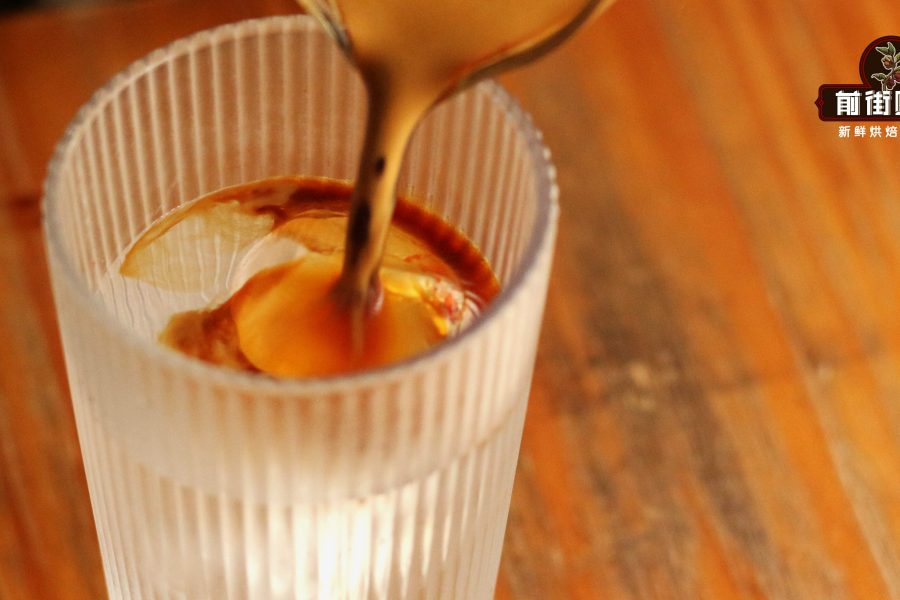
Introduction: Can you add milk to an Americano? How does it differ fundamentally in flavor from espresso? This article systematically explains the proper way to drink an Americano, compares the characteristics of Americano and espresso beans, and analyzes in depth the core differences between the two in extraction methods and mouthfeel. Whether you are a coffee novice or an enthusiast hoping to improve your brewing skills, you will gain practical advice and flavor-identification knowledge.
Regarding how to drink an Americano, a common question is: can you add milk? In fact, this depends on personal taste preference. Although a traditional Americano consists directly of espresso and water, if you prefer a softer mouthfeel, adding an appropriate amount of milk is entirely feasible. The key is to find the flavor balance that suits you through experimentation.
The origins of the Americano can be traced back to World War II. At the time, American soldiers stationed in Italy were unaccustomed to the strong flavor of espresso, so they diluted it with water to recreate a taste similar to the drip coffee of their homeland. Because this way of drinking differed markedly from traditional European coffee culture, locals jokingly called it "Americano."

Modern cafés generally use the standardized method of espresso plus water to make an Americano, with the water-to-coffee ratio usually controlled in the range of 1:4 to 1:8. For example, after extracting 36 grams of espresso from 20 grams of coffee grounds, hot water is added according to the ratio. At home, the drip method is more common, using a paper filter to extract slowly and fully preserve the coffee's original flavor.
The essential difference between Americano and espresso stems from the base: the former is based on drip coffee or diluted espresso, while the latter centers on high-pressure extracted espresso. When ingredients such as milk are added, these derivative drinks are collectively called the espresso-based category, including classics such as lattes and cappuccinos.

The choice of coffee beans directly affects the final flavor expression. Commercial-grade blends often enhance body by adding robusta, making them suitable for food-service channels that require a pronounced crema; specialty blends, by contrast, focus on balancing regional characteristics—for example, the nutty and chocolate notes of Brazilian and Colombian beans better complement the creamy texture of milk. Blends using special processing methods may present vinous or fermented flavors, which are more prominent in light-roast SOE (single-origin espresso).
The operation of an espresso machine relies on four core components: the water system (water tank or plumbed line), the electric pump (vibration pump/rotary pump generating 9-10 bar of pressure), the boiler (maintaining an extraction temperature of 90-96°C), and the group head. Modern models mostly adopt dual-boiler designs, enabling simultaneous extraction and steam heating to ensure temperature stability.
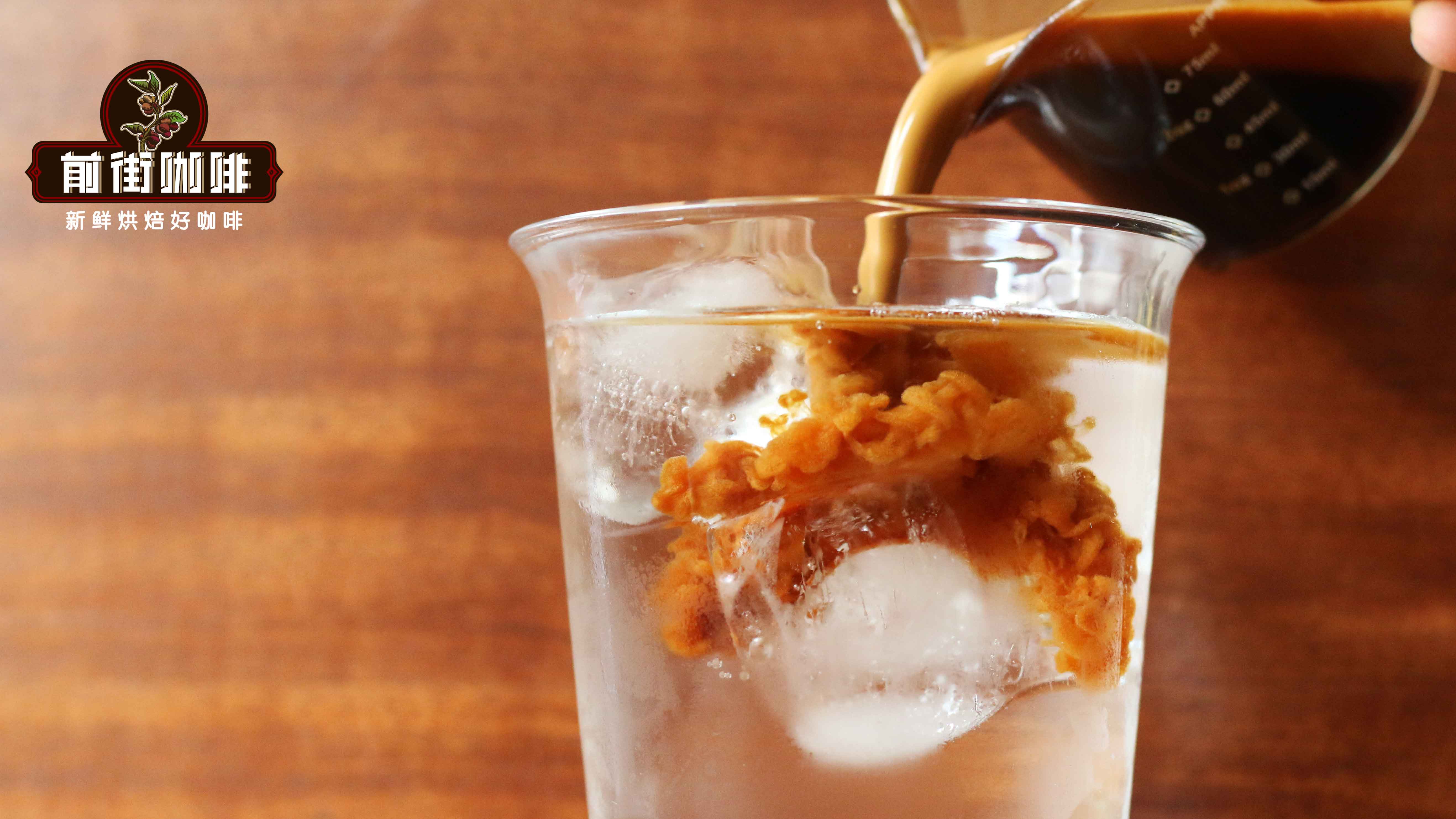
A common misconception is that all Americanos taste the same. In fact, even with the same ratio, beans of different roast levels present significant differences: dark-roast beans emphasize caramel and chocolate base notes with lower acidity, while light-roast beans retain more floral and fruity aromas and bright acidity. Professional baristas fine-tune the water-to-coffee ratio according to bean characteristics; for home brewing, you can use a basic ratio of 1:6 as a reference and adjust flexibly.
Regarding flavor layers, the dilution of an Americano makes it easier to show the coffee's own cleanliness and sweet-sour balance. The espresso base, through high-pressure extraction, draws out more oils and complex compounds, forming a unique silky mouthfeel when milk is added. Experimental light-roast espresso beans may carry citrus or floral notes, flavors that have gradually become popular as demand for the traditional heavy crema has declined.
When brewing an Americano at home, it is recommended to note the following parameters: use freshly ground medium-fine coffee grounds (about 80-100 mesh), control the water temperature at 90-93°C, and keep the extraction time at 2-3 minutes. If using an espresso machine, ensure the pre-infusion stage thoroughly wets the puck to avoid channeling that would affect extraction uniformity.
In summary, the charm of the Americano lies in its inclusiveness—whether it is a pure black coffee experience or the room for personalized adjustment by adding milk, it all depends on the user's understanding of flavor. Only by understanding the connections among coffee bean origin, roast level, and extraction method can you truly master the essence of this classic drink.