Sumatra Typica Anaerobic Natural Coffee: A Distinctive Hand-Pour Pick
Introduction: This article takes an in-depth look at Sumatra's Hendra processing station, uncovering the story and craft behind its anaerobic natural coffee made from the Typica variety. From the family business's origins to the innovative processing method and the final flavor presentation, it walks you through how this specialty coffee bean, scoring as high as 89.75, came to be, offering hand-pour coffee lovers a reference for choosing and tasting beans.
In Sumatra, a coffee region known for traditional wet processing, the Hendra processing station stands out like a breath of fresh air. This washing station and farm, run by Hendra and his family, sits in the Pegasing area, surrounded mostly by coffee estates using conventional wet-hulling. Hendra's father, Hamdan, moved here from Banda Aceh as early as 2006, bought land, and set out on the path of coffee cultivation. Hendra joined in 2010, and together father and son embarked on a journey of exploring specialty coffee processing.
At first, Hendra studied old literature and drew on the experience of other Indonesian producers to try processing methods quite different from traditional wet processing. Over the years, they invested heavily in post-harvest facilities, including a small wet mill with two pulpers built with outside funding, gravity washing channels, and several raised beds for coffee drying. Today, Hendra skillfully uses about 8–10 different processing methods, and this small processing station can produce up to 40 tons of green coffee a year.
Coffee cherries come from 70 local farmers who partner with Hendra. To encourage farmers to improve picking quality, Hendra offers incentives: extra payment for fully ripe cherries and transport subsidies for farmers coming from far away. He also set up a nursery dedicated to growing Abyssinia, the first coffee variety introduced to Indonesia, and guides farmers in planting it on a small scale on their own land. Because this variety has low yields but outstanding cupping quality, Hendra pays a higher purchase price. At the same time, he flexibly adjusts processing based on weather conditions and customer needs, and the coffee he produces is mainly sold to specialty roasters in Jakarta and elsewhere in Indonesia.
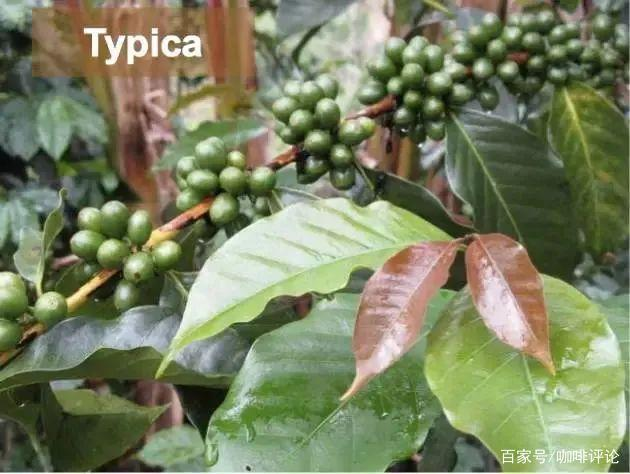
The coffee variety featured here is Typica, which originated in Yemen, later reached Malabar, India, was then brought to Indonesia by the Dutch, and spread onward to Martinique and other parts of the West Indies. Over its long journey, Typica underwent genetic evolution, giving rise to many varieties with new characteristics, such as Criollo (South America), Arabigo (the Americas), and Kona (Hawaii). This coffee grows on high-quality farms at 1,300–1,500 meters around the Hendra processing station, and only carefully selected ripe cherries are used.
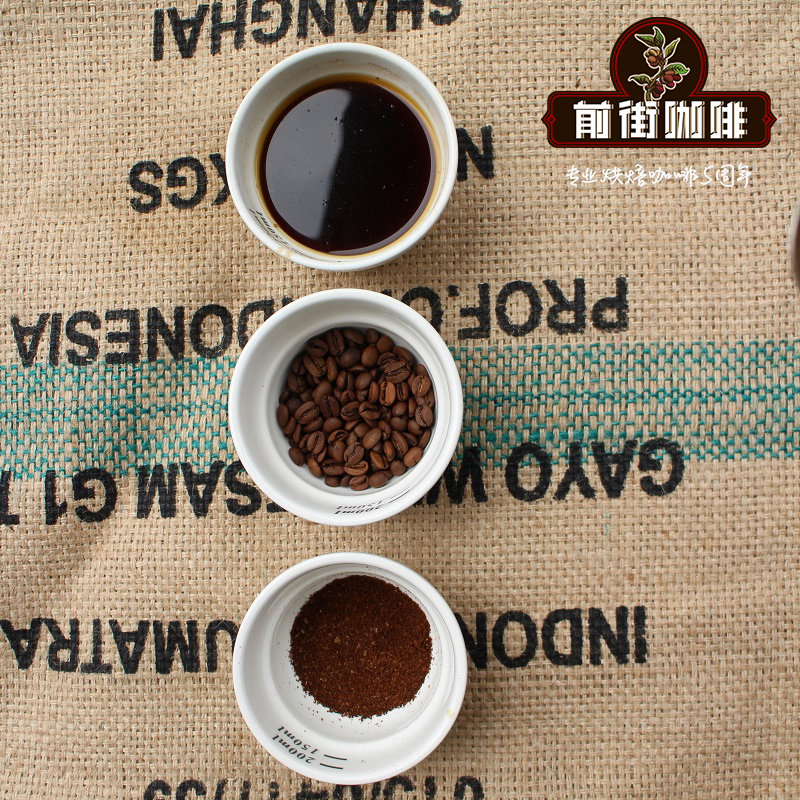
In processing, Hendra is strict about quality control. First, farmers are paid generously to ensure a supply of high-quality cherries. After picking, the cherries go through double density sorting to remove unripe beans, followed by two rounds of hand sorting. The cherries are then put into plastic bags for 48 hours of anaerobic fermentation. After fermentation, the coffee is placed on raised beds and turned regularly inside a drying tent over a 20–25 day drying process, with temperature changes closely monitored throughout. The final Typica coffee is processed as an anaerobic natural, with a distinctive flavor and a quality score of 89.75.