Costa Rica Caturra & Catuaí Natural: Pour-Over Flavor and Growing Guide

Introduction: This natural-process coffee from El Cerro farm in Costa Rica's Central Valley blends the two classic varieties Caturra and Catuaí, and its three-week, carefully controlled natural processing yields a distinctive berry character. This article takes a close look at its high-altitude growing environment at 1,500 meters, the farm's century-long history, and the key pour-over parameters and flavor layers, offering specialty coffee lovers a complete guide from variety selection to tasting.
As a benchmark specialty coffee region in Central America, Costa Rica is known worldwide for its consistent, balanced flavor profile. Its strictly hard beans grown above 1,500 meters naturally possess a harmonious balance of acidity and sweetness, thanks to large day-night temperature swings and fertile volcanic soil—avoiding both excessively sharp acidity and dull bitterness, and making them especially suited to coffee lovers seeking a balance of bright fruit acidity and full body.
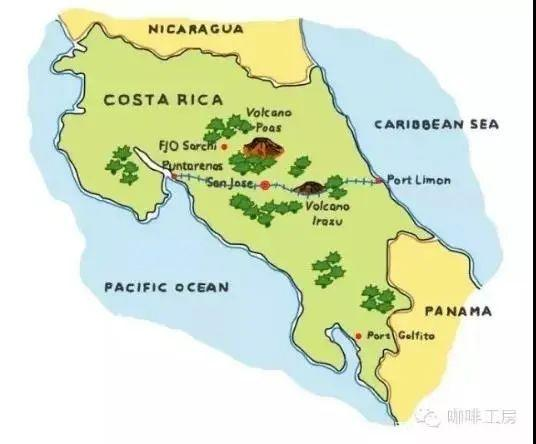 Altitude is the foremost core factor determining coffee quality. High-altitude growing zones (above 1,200 meters) not only lengthen the ripening cycle of the coffee cherries, encouraging a slow accumulation of sugars, but also suppress the plant's growth rate through low nighttime temperatures, resulting in denser beans. The Central Valley region has a stable average annual temperature of 19°C, and together with the potassium-rich soils of the Poás and Barva volcanoes, this gives the beans their signature chocolate base and well-defined citrus notes.
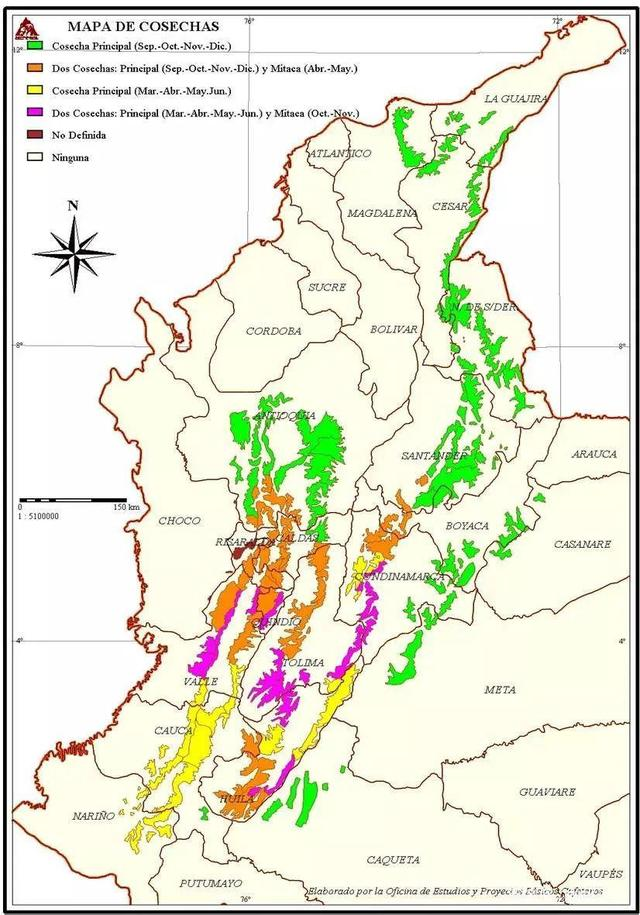 The history of El Cerro farm, visited for this article, dates back to the early 19th century. After Spanish immigrant Santiago Fernández purchased this land, his family ran it for four generations: from an initial mix of livestock and cash crops, to the first experimental coffee planting in 1920, and finally to a planting structure centered on Caturra and Catuaí by the mid-20th century. The farm, now managed by descendants of Carlos Fernández, still insists on hiring local farmers and Nicaraguan migrant workers, and maintains a stable harvesting team through a fair wage system.
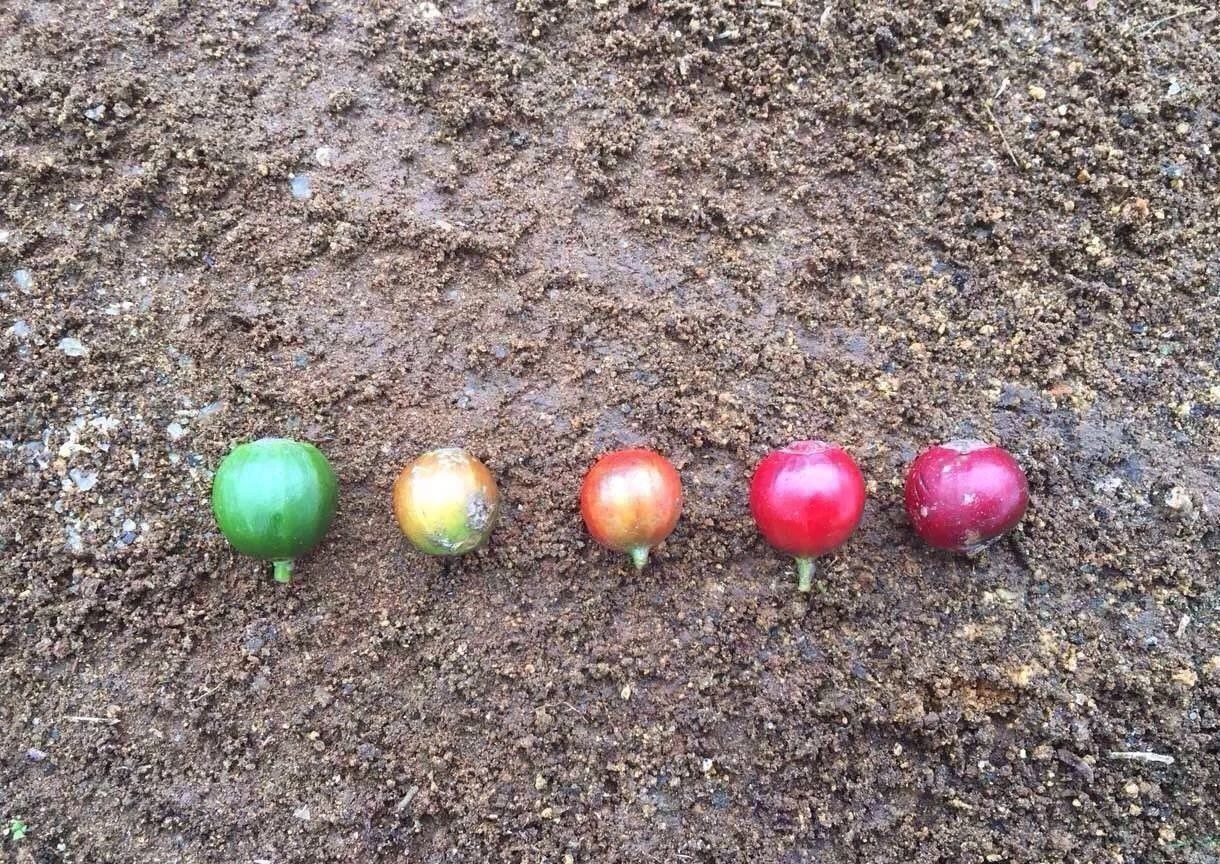 In terms of variety selection, this natural bean uses a mixed planting of Caturra and Catuaí. The former, a dwarf mutation of Bourbon, inherits high-quality sweetness genes but has weaker disease resistance; the latter is a cross of Caturra and Mundo Novo, combining strong resistance to wind and rain with firm, storage-tolerant cherries. Together they ensure both flavor complexity and growing stability.
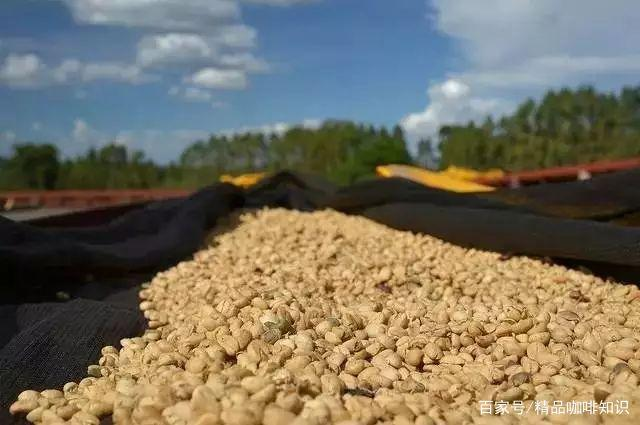 The natural process is the soul of this bean. After harvesting, the red cherries must be placed on African raised beds immediately in the early morning and undergo about 21 days of meticulous drying: continuous turning on the first day to promote even dehydration, shade cloth during the middle stage to regulate temperature and humidity, and finally the moisture content is precisely controlled at 11.5%. This traditional method preserves the pectin sugars to the greatest extent, creating the finished coffee's pronounced fermented wine aroma and berry sweetness.
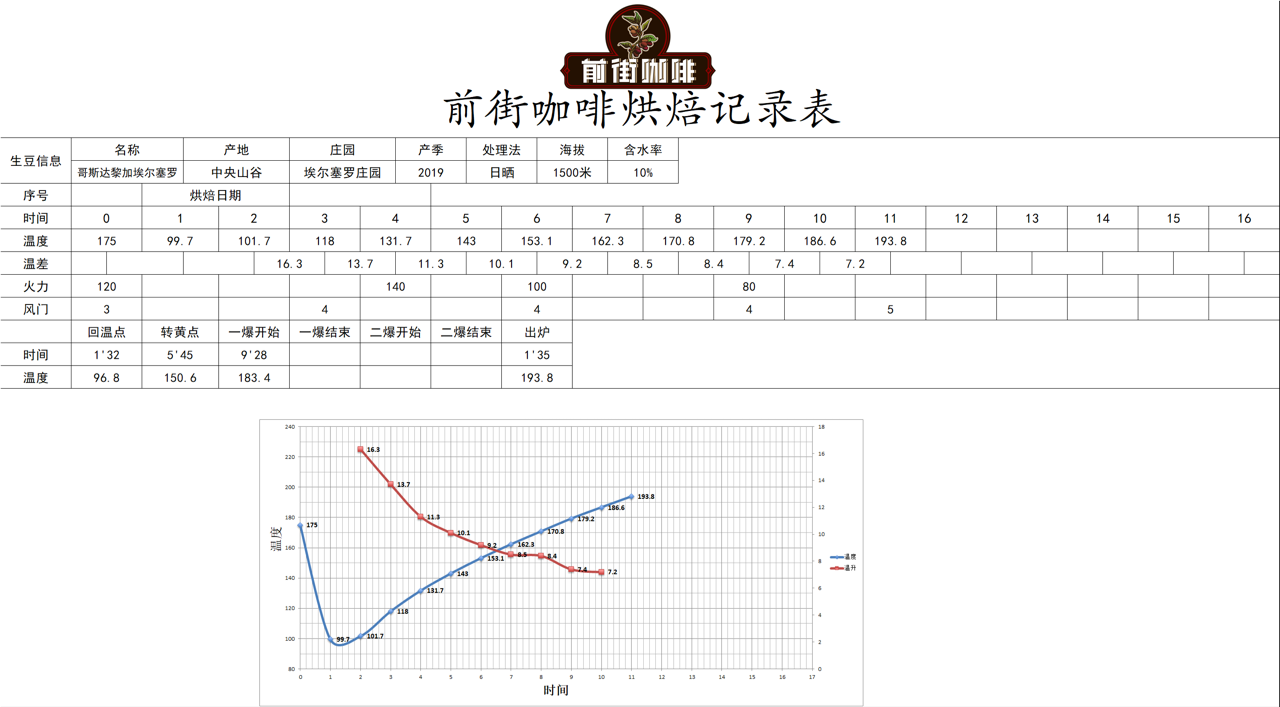 The roaster's recommended Agtron color references are: bean surface 76.6 (medium-light roast range), bean core 87.3 (retaining active compounds). For pour-over, use a V60 dripper (#01), a 1:15 coffee-to-water ratio, 90°C water, and a grind of BG #6SF (roughly fine granulated sugar in the Chinese standard). The staged pouring strategy is: 30 g bloom for 30 seconds → circular pour of 95 g to 125 g → add 100 g to a total water weight of 225 g, completing extraction in about 2 minutes 10 seconds.
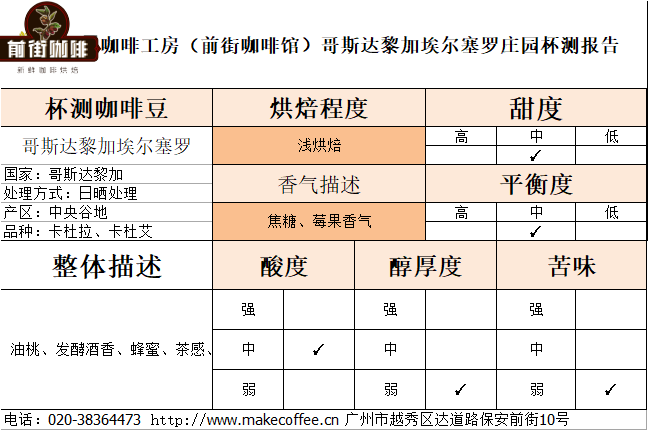 The cupping stage shows a clear three-layer flavor evolution: when hot, fresh fruit aromas of strawberry and nectarine dominate, accompanied by a soft honey-like sweetness; as the temperature drops into the medium range (50–60°C), fermented wine notes gradually emerge and interweave with nutty aromas; the finish then turns to a refreshing oolong tea character, with a clean aftertaste free of astringency. This dynamic variation makes it suitable both as an everyday drinking coffee and for advanced enthusiasts exploring the effects of different brewing variables.
It is worth noting that shipping costs for high-altitude beans are indeed higher than for plains regions, but Costa Rica balances efficiency through measures such as optical sorting technology to remove defective beans and optimized post-harvest processing. For consumers, choosing lots with SHB (Strictly Hard Bean) certification is the better way to ensure a consistently high-quality experience.