Guatemala Acatenango Coffee: Flavor, Altitude and Brewing Guide
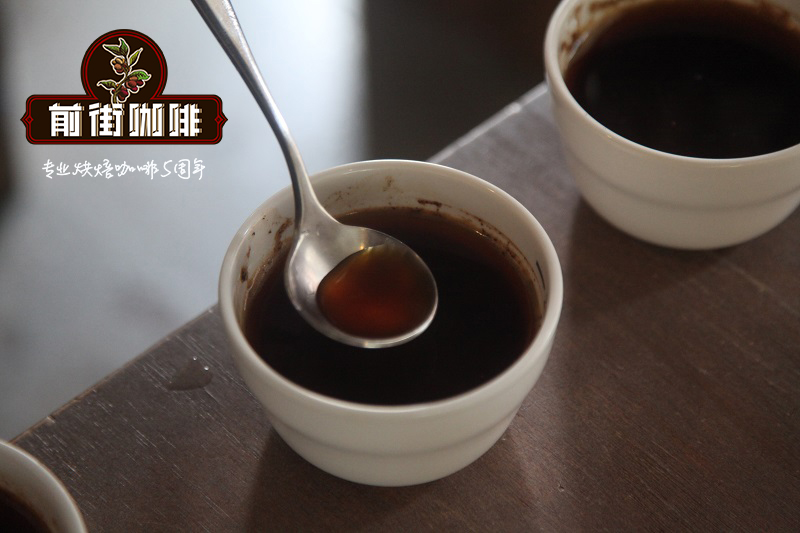
Introduction: Guatemala's Acatenango region produces distinctive coffee beans thanks to its high altitudes and unique volcanic soils. This article takes a close look at the region's geography, its main coffee varieties and its washed processing method, explaining why its coffees stand out for sweetness and have a milder smoky character. It also offers professional-level pour-over parameters and flavor descriptions to help you taste and choose this Central American specialty coffee more precisely.
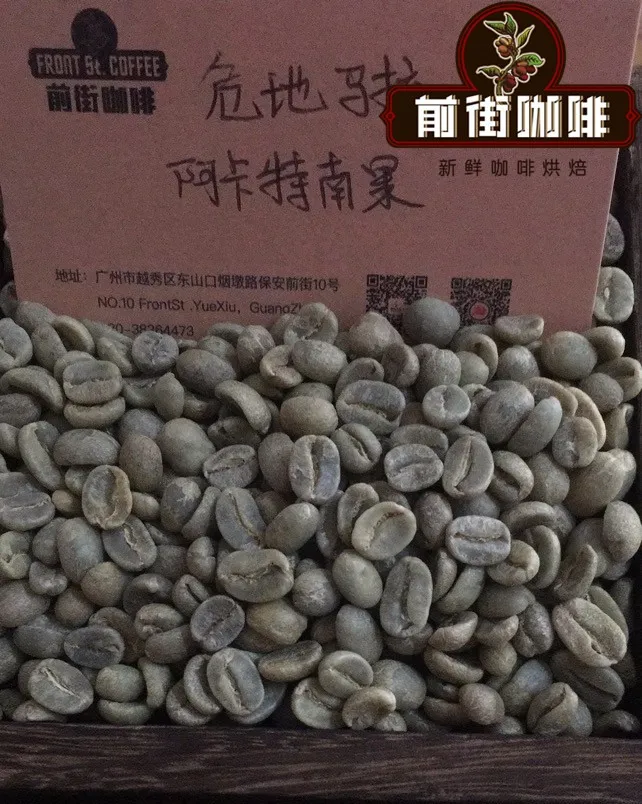
The Acatenango region of Guatemala is known for its high-altitude growing environment and is one of the areas that coffee lovers around the world pay close attention to. Elevations here generally range between 1,300 and 2,000 meters, with some of the best plots approaching 2,000 meters. These high-altitude growing conditions help slow the ripening of the coffee fruit, allowing it to accumulate richer flavor compounds.
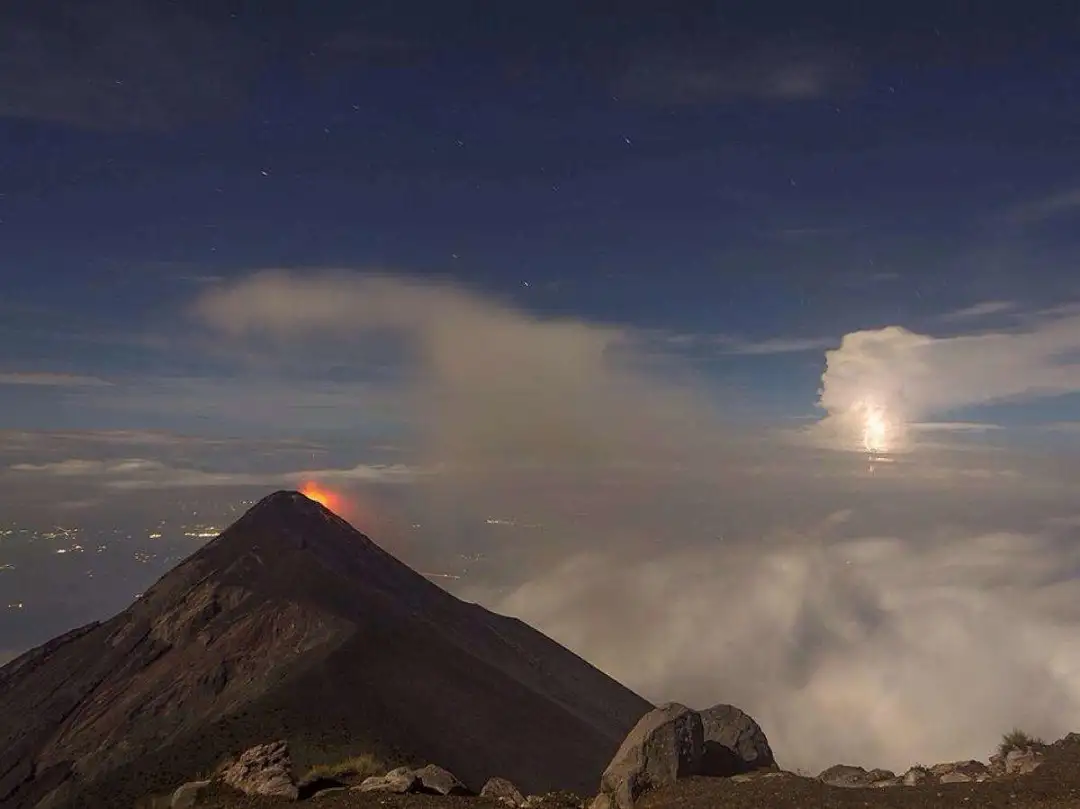
The region's soil composition is quite distinctive. Because it lies near two active volcanoes, Fuego and Pacaya, frequent volcanic activity brings large amounts of minerals to the surrounding soil. The soil is rather coarse and sandy, with excellent air permeability and drainage. This geological background provides ideal conditions for the development of coffee plant roots and indirectly contributes to the distinctive flavor of Acatenango coffee.
The Acatenango region has a distinctive microclimate. During the day, warm, moist air from the Pacific brings humidity and moderate temperatures; at night and in the early morning, cold air descends from the highlands, creating a pronounced day-night temperature difference. This temperature fluctuation helps the coffee fruit slowly accumulate sugars, enhancing the sweetness and body of the final beans.
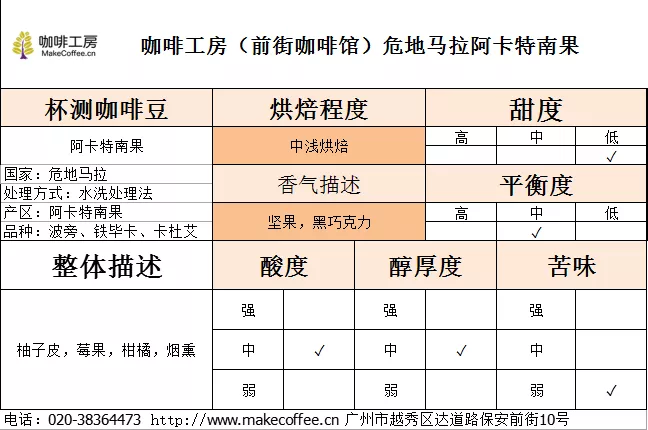
The flavor profile of the region's coffee is often described as close to that of Antigua, another well-known Guatemalan region, but overall fresher. Compared with the pronounced smoky note common in Antigua coffee, Acatenango coffee has a milder smokiness while its sweetness is more prominent, its acidity is relatively soft, and its overall balance is excellent. The dry and wet aromas are clear and pleasant, often with bright citrus notes, and the finish is clean with a subtle spice or chocolate aftertaste.
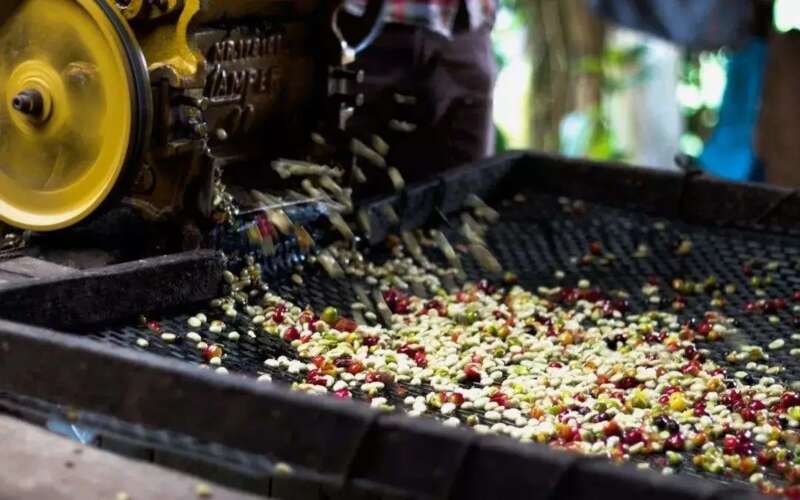
As for processing, the Acatenango region generally uses the washed method. This method begins with picking ripe coffee fruit; unripe fruit and stray leaves are first removed, then the skin is removed and the seeds with their mucilage are fermented. During fermentation, microorganisms break down the pectin, and the residue is then removed through repeated rinsing with clean water. Depending on the specific practice, the washed method can be divided into wet fermentation and dry fermentation; the latter skips the soaking stage and ferments directly under controlled temperature before washing. The processed beans are sorted to remove defects and then, depending on the roast level, release varied layers of flavor.
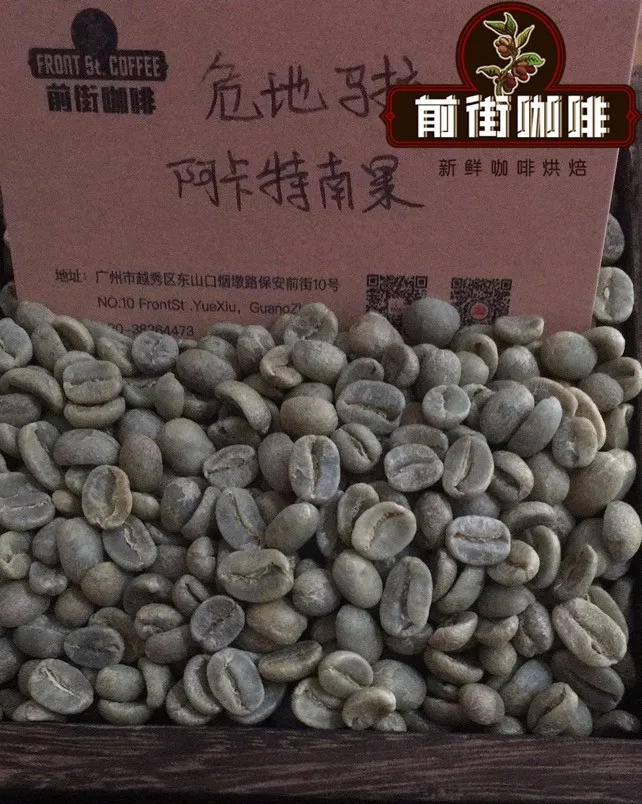
The main coffee varieties grown in the Acatenango region include Bourbon, Caturra and Catuaí. Among them, Bourbon is a classic variety with a long history, known for its balanced flavor and relatively high sweetness; Caturra is a dwarf coffee tree developed in Brazil, with good wind resistance and relatively high yields; Catuaí is a cross between Caturra and Mundo Novo, with a short, stocky shape and strong adaptability, capable of stable high yields under proper fertilization management. The combination of these varieties makes the region's coffee particularly outstanding in sweet-acid balance and nutty notes.
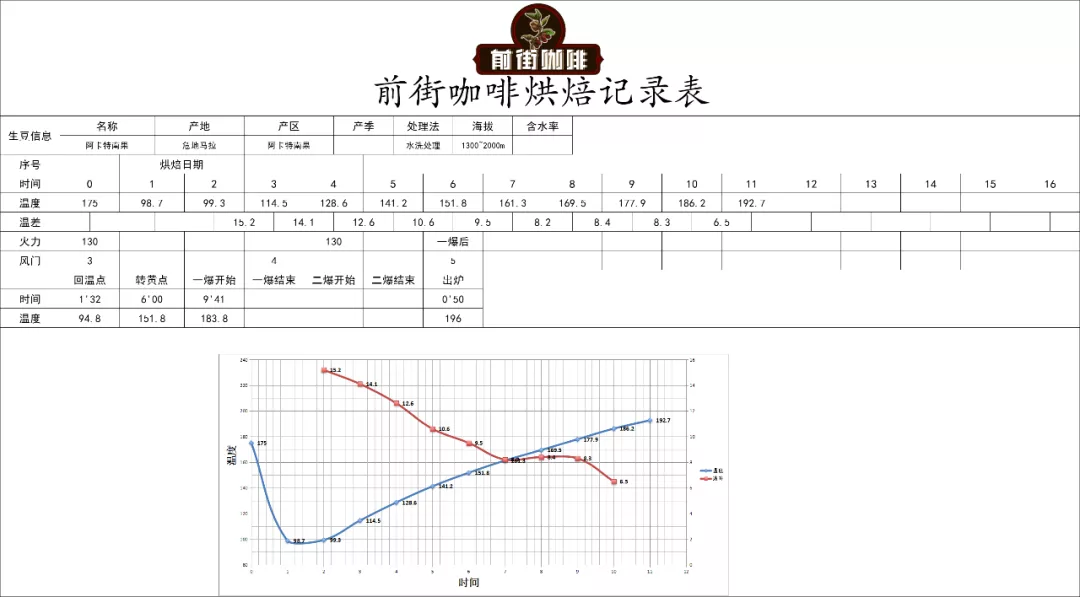
For coffee lovers, understanding brewing parameters is essential to bringing out the distinctive flavor of Acatenango coffee. A HARIO V60 dripper is recommended for pour-over, with a dose of 15 grams and a coffee-to-water ratio of 1:15, meaning about 225 milliliters of total water. The water temperature is best set between 90 and 91°C, and a medium-coarse grind similar to granulated sugar helps balance extraction efficiency and flavor clarity.
The suggested brewing method is as follows: first pour 30 grams of water for a 30-second bloom to awaken the coffee grounds; then pour slowly in a centered pattern up to 125 grams, followed by staged pours, continuing to 225 grams when the coffee bed is exposed again, and finally remove the dripper to end extraction, with the total time kept to about 2 minutes. This combination of parameters helps highlight the coffee's citrus and berry acidity, with a rich black chocolate aroma in the middle and a slight smoky note possible in the finish, for a rich and harmonious overall flavor.