Indonesian Mandheling Pour-Over Guide: Golden Mandheling Flavor and Brewing Parameters
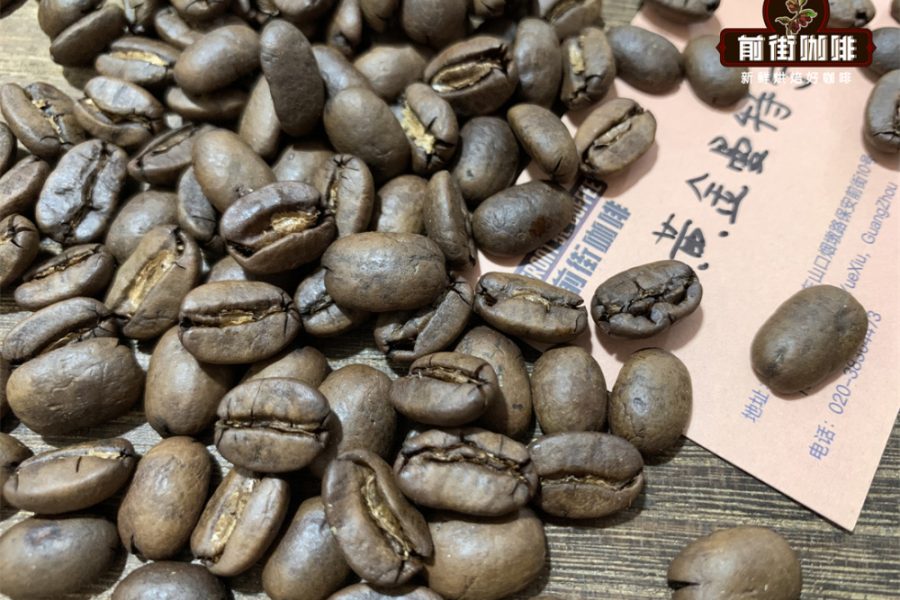
Introduction: Indonesian Mandheling coffee is known for its rich, full-bodied flavor with low acidity and high richness, making it especially suitable for coffee lovers who enjoy intense tastes. This article takes an in-depth look at the origin characteristics of Sumatra Mandheling and the influence of the wet-hulling process on flavor, and highlights the flavor differences between Golden Mandheling and regular Lintong Mandheling. It also provides professional pour-over parameter recommendations to help you brew a layered, rich Mandheling coffee at home.
Unlike the bright fruit acidity common in African coffee beans, Indonesian Mandheling coffee is known for its intense bitter-aromatic profile, full body, and deep, grounded flavor layers. How should this distinctive type of coffee be brewed? We will start with Mandheling's origin background and gradually analyze its flavor characteristics and optimal brewing plan.

Sumatra Mandheling mainly comes from northern Sumatra Island in Indonesia, where the higher altitude and climate conditions are particularly suitable for Arabica coffee cultivation. Among these, the Aceh province around Lake Tawar and the North Sumatra province in the Lake Toba region are the most representative producing areas, and the Lintong producing area is located within North Sumatra province.

Mandheling coffee is usually grown in the Gayo Highlands at altitudes of 750 to 1,500 meters, where the tropical rainforest climate near the equator, abundant year-round rainfall, and high humidity provide an ideal growing environment for Arabica. However, only about 25% of Indonesia's overall coffee production is Arabica; the rest is mostly Robusta grown at lower altitudes.

The main varieties grown locally are Ateng and Tim Tim. Tim Tim is a natural hybrid of Typica and Robusta, inheriting Robusta's high yield and disease resistance, with an intense flavor. Ateng is a cross between Catuaí and Tim Tim, also known as Catimor, carrying about one quarter Robusta genetics; it has strong disease resistance and is widely planted in Sumatra and other Indonesian islands. Golden Mandheling commonly found on the market usually uses the Ateng variety.

Indonesia's unique high-temperature, high-humidity environment gave rise to the distinctive wet-hulling process. The process flow is similar to the washed method, but the key difference is that after the coffee fruit is depulped, it is fermented for 3 hours to remove the mucilage, and the parchment-covered green beans are only briefly dried to a moisture content of 20-24%; then the parchment is hulled off while the beans are semi-hard, and drying continues to a final moisture content of 13%. Because the fermentation time is shorter, fewer acidic substances are produced, giving Mandheling coffee low acidity and a more prominent full body.

There are currently two main types of Mandheling coffee beans on the market: one from the Lintong mountain area, and the other Golden Mandheling, which has undergone strict screening. The Lintong producing area is near the southwest side of Lake Toba, at altitudes between 1,000 and 1,500 meters; the area has many volcanoes and volcanic lakes, and the fertile volcanic soil and abundant rainfall provide good growing conditions for coffee trees. Mandheling from here often has woody and spice flavors and is an ideal choice for experiencing the classic Mandheling flavor.

The Lintong Mandheling producing area is located in Sumatra, Indonesia, at an altitude of 1,100-1,600 meters; the variety is Ateng TimTim, and it is processed by the wet-hulling method. Its flavor characteristics include nuts, spices, chocolate, and caramel, with the typical Mandheling profile, making it suitable as an entry-level choice for understanding the flavors of this producing area.

Golden Mandheling is produced by PWN, a well-known Indonesian coffee purchasing company that specializes in selecting high-quality Mandheling green beans, most of which reach specialty grade. It should be noted that "Golden Mandheling" is a registered trademark of PWN, and only its products may use this name. PWN performs three rounds of manual hand-sorting on G1-grade green beans to ensure an extremely low defect rate. The G1 grade requires bean size of 18 screen or above and no more than 3 defective beans per 300-gram sample. Golden Mandheling, having undergone strict screening, has cleaner sweetness and a more intense aroma.

Golden Mandheling also comes from Sumatra, at an altitude of 1,100-1,600 meters; the variety is Ateng, and the processing method is also wet-hulling. Its flavor is mainly nuts, spices, herbs, and caramel, with a fuller body and richer layers of sweetness and aroma.
In addition to the above two, the market also offers Tiger Mandheling with a Chinese herbal medicine aroma, aged Mandheling whose acidity is reduced through aging, and sun-dried Mandheling, each with its own characteristics. Next, we will use Mandheling coffee as an example to introduce its brewing methods and techniques in detail.
For beginners new to Mandheling, it is recommended to start with cost-effective everyday beans in order to experience the flavor characteristics of different producing areas; for experienced coffee lovers, selected Golden Mandheling is a better choice. In terms of brewing, because Mandheling is dominated by intense flavors such as nuts and chocolate, dark roasting is usually used to highlight the full body. Dark-roasted beans appear oily, expanded in volume, and porous in texture, so special attention is needed when grinding.
To reduce bitterness from over-extraction, it is recommended to use a lower water temperature of 87°C than for regular medium-light roasts and a coarser grind. Using the Chinese No. 20 standard sieve as a reference, a recommended pass-through rate is 70%. This combination of parameters helps balance the extraction rate and avoid bitterness.
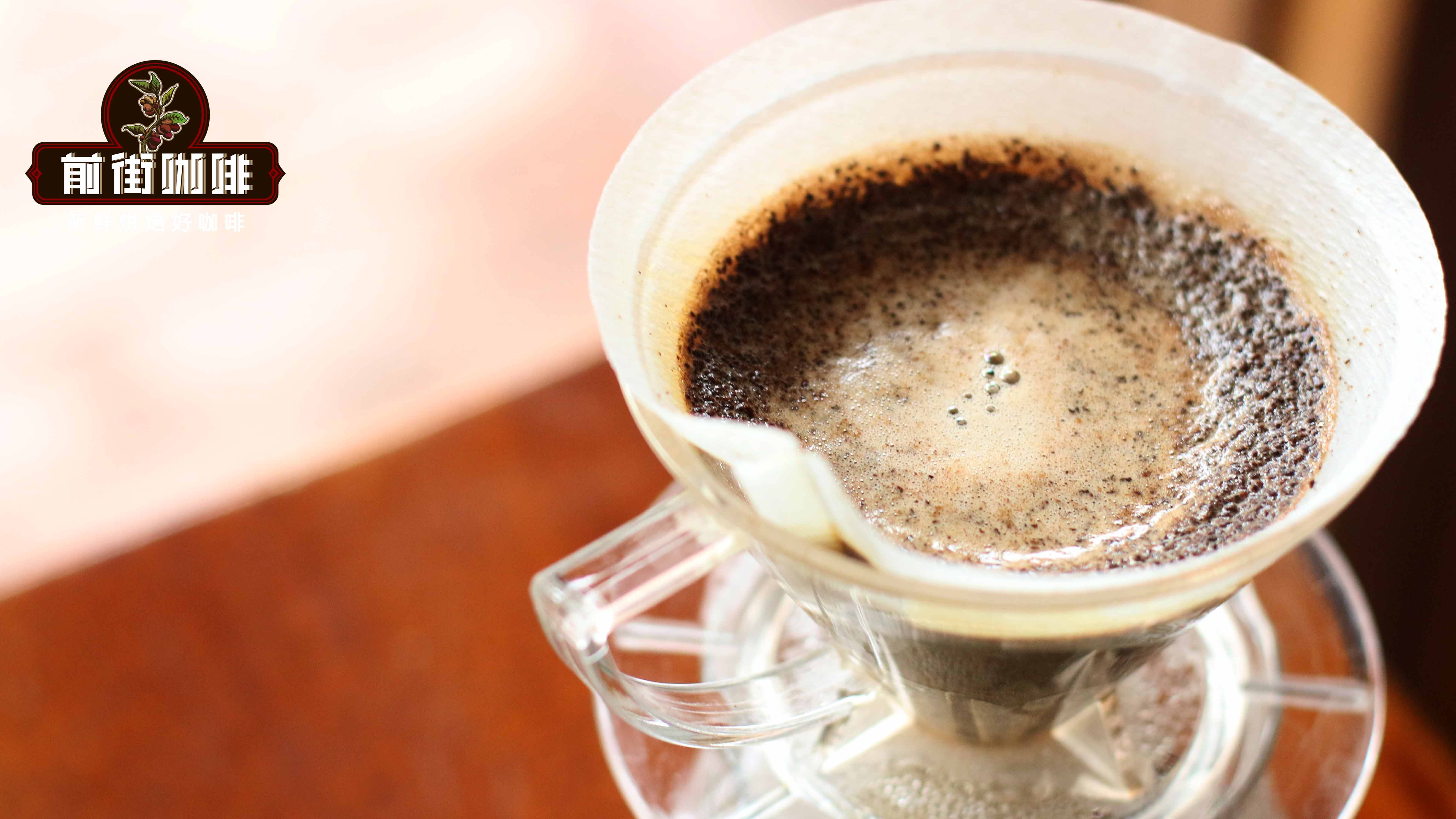
In terms of dripper choice, the KONO dripper, due to its special structure, can effectively extend the coffee extraction time and enhance concentration and body, making it particularly suitable for coffees like Mandheling that pursue a full mouthfeel. The upper half of the dripper is smooth, and only the lower half has a rib design; after pouring water, the filter paper fits tightly against the dripper, restricting air release and thereby extending the contact time between water and coffee grounds.
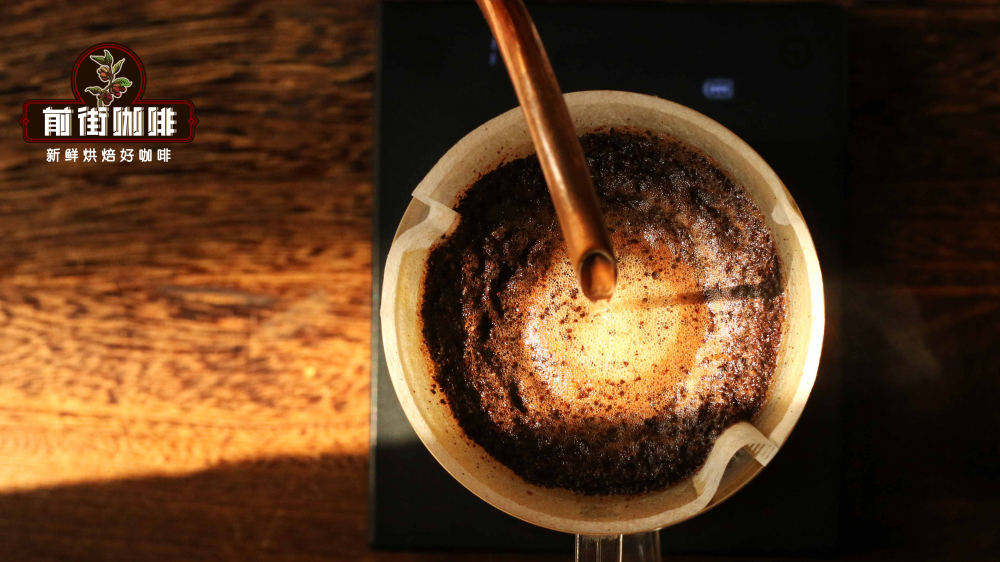
It is generally recommended to use 15 grams of coffee grounds with a coffee-to-water ratio of 1:15; this ratio balances concentration and flavor clarity and can be adjusted between 1:13 and 1:17 according to personal taste. During brewing, use a three-stage pouring method: first pour 30 grams of 87°C hot water in the center for a 30-second bloom; after the coffee grounds swell and form a dome, continue pouring evenly to 125 grams; when the liquid level drops to half, pour in the remaining 100 grams. Maintain a thin, steady stream throughout to ensure even extraction.
Note that the above parameters apply to freshly roasted coffee beans, and the best flavor is usually within 5 days after roasting. Coffee should be brewed as soon as possible after arrival to experience the most complete flavor expression.
Freshly brewed Lintong Mandheling usually has a distinct Indonesian spice aroma, with prominent nut and chocolate notes and a subtle sweet aftertaste; Golden Mandheling has a more solid mouthfeel, more intense spice and dark chocolate flavors, richer caramel sweetness and aftertaste layers, and an overall more refined expression.


