How to Brew Ethiopian Yirgacheffe Washed Beans: Pour-Over Guide
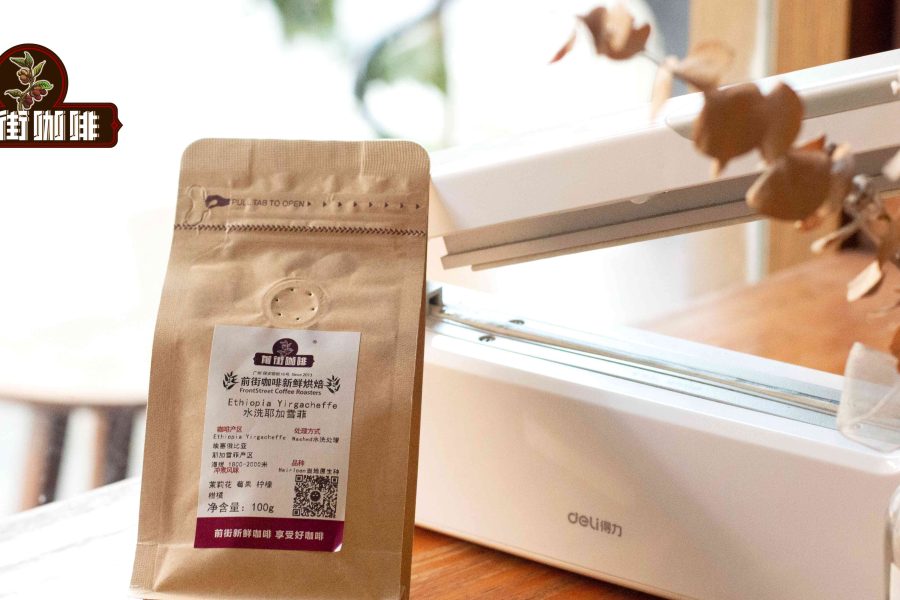
Introduction: Ethiopian Yirgacheffe coffee is a favorite among specialty coffee lovers worldwide, known for its distinctive citrus, floral and berry notes. If you are after a pour-over bean with bright but not sharp acidity, clear flavors and suitability for everyday drinking, washed Yirgacheffe is an excellent choice. This article details this classic bean's flavor characteristics and suitable brewing parameters and techniques, helping beginners get started easily and enjoy a layered, rich cup of pour-over coffee.
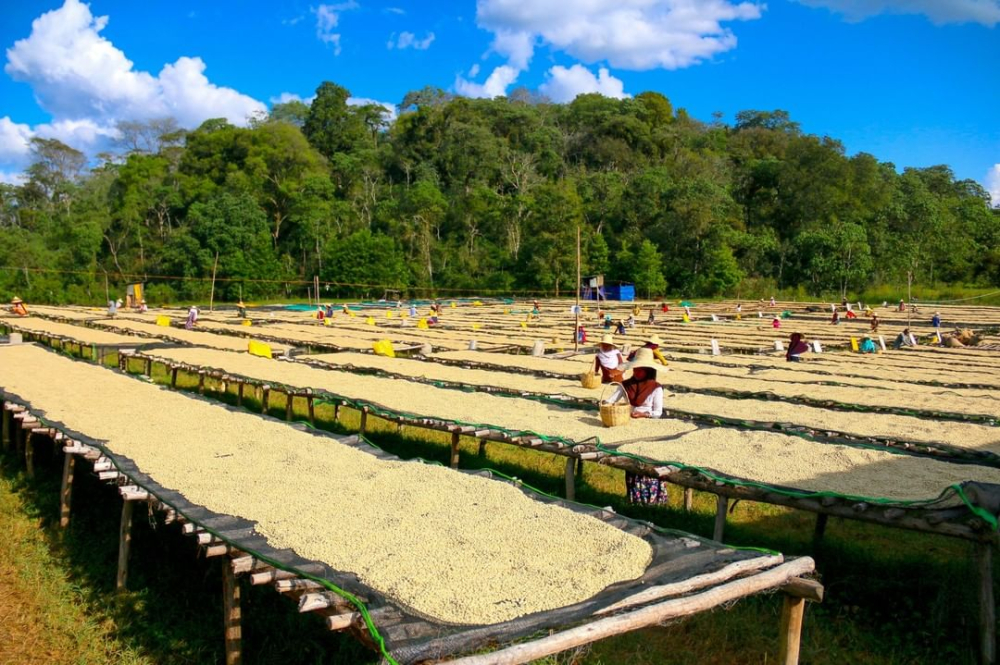
When it comes to African coffee, most people first think of Ethiopia, the birthplace of coffee. The country's coffee is known for its vivid regional character, often described as having complex and captivating flavors such as citrus, lemon acidity, jasmine, ripe strawberry, tropical fruit, berries and honey. Among its many producing regions, Yirgacheffe is undoubtedly one of the most representative names, its flavor profile has almost become synonymous with specialty coffee.

Yirgacheffe's global popularity is inseparable from the rise of specialty coffee culture since the turn of the millennium. Compared with the heavy bitterness of traditional dark roasts, Yirgacheffe broke many people's preconceptions about how coffee tastes, with its bright florals and soft fruit acidity. In the past, most consumers never associated acidity with coffee, let alone fresh flavors like citrus or berries. Today, Yirgacheffe is not only a first choice for many coffee beginners, but also stands alongside Mandheling, paving the way for later flavor-forward coffees such as Kenyan and Panama Geisha.
For beginners just getting into coffee, especially pour-over, if you want to try Ethiopian or African-style coffee, Yirgacheffe is an absolute must-try. It is refreshing, balanced between sweet and sour, easy to drink, and relatively affordable, making it very suitable as an everyday household staple bean.
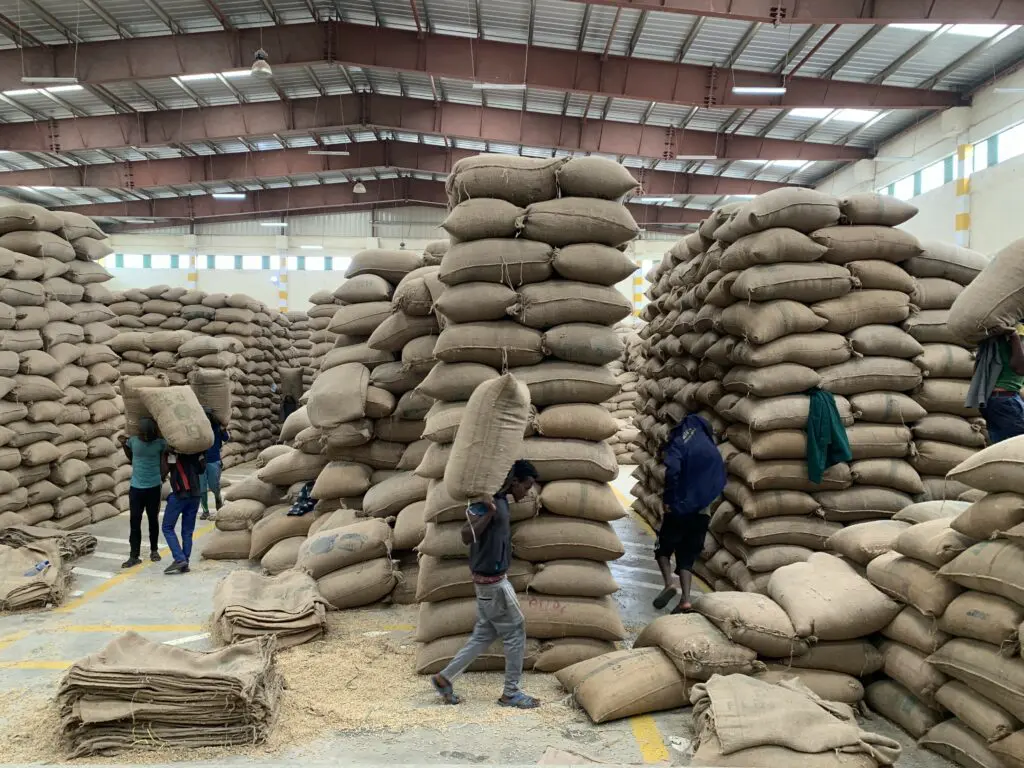
Among the many processing methods for Yirgacheffe, washing best showcases its bright acidity and clean flavors. We generally recommend trying washed Yirgacheffe at grade G1, Ethiopia's highest green bean standard, meaning no more than 3 defective beans per 300 grams of green coffee, with excellent cleanliness and consistency.
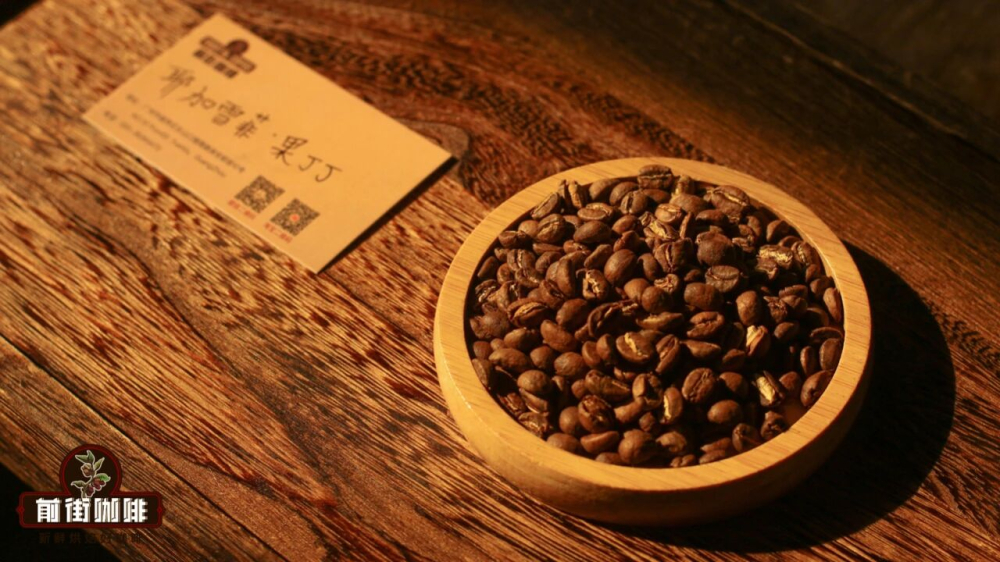
Many people find Yirgacheffe "too sour" the first time they drink it, which usually has two main causes: first, the roast is on the light side and fails to fully balance acidity and sweetness; second, improper brewing makes the acidity too prominent or throws the overall flavor out of balance. In fact, a properly medium-light roasted washed Yirgacheffe should have soft, uplifting acidity accompanied by natural sweetness and rich fruit notes.
Take washed Yirgacheffe as an example: in the dry aroma it gives off fresh passion fruit, citrus and berry sweet-and-sour notes; after pouring, the wet aroma becomes more pronounced, with citrus and berry aromas further released alongside a faint floral note. On the palate, the acidity is mainly citrus, accompanied by berry sweetness, with a slight almond bitterness and tea-like quality in the finish, and a gentle honey-like sweetness in the aftertaste, giving a rich yet coherent layering overall.

To fully bring out this bean's potential, the choice of brewing parameters is especially important. Below is a suggested brewing recipe, suitable for most pour-over gear, and works best with a V60 dripper:
Dripper: V60
Water temperature: 92-93°C
Dose: 15 g
Coffee-to-water ratio: 1:15
Grind size: caster sugar size (about 78% passing a No. 20 sieve, equivalent to medium-fine grind)
Pouring method: three-pour method, total water 225 ml, pouring 30 ml, 95 ml and 100 ml respectively, with the scale reading 30 g, 125 g and 225 g.
The specific steps are as follows:
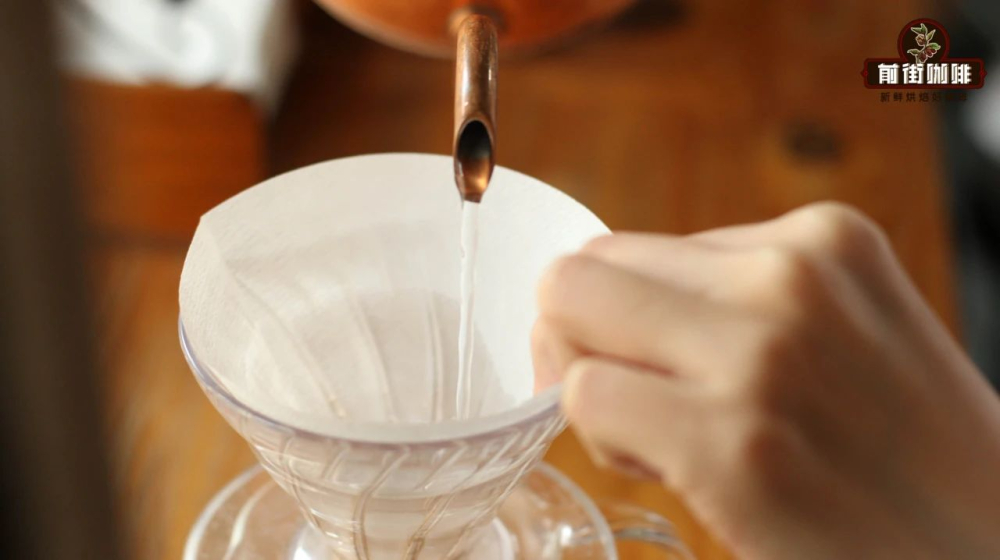
First, place the folded filter paper into the V60 dripper and rinse it evenly with hot water so it hugs the dripper wall, while preheating the server and coffee gear, then discard the preheating water. Add 15 g of ground coffee to the dripper, tap the dripper gently to level the bed, tare the scale and begin brewing.
First pour: pour 30 g of water for a 30-second bloom, using a small stream, starting from the center of the coffee bed and slowly circling outward, making sure all the coffee grounds are evenly wetted to release the aroma.
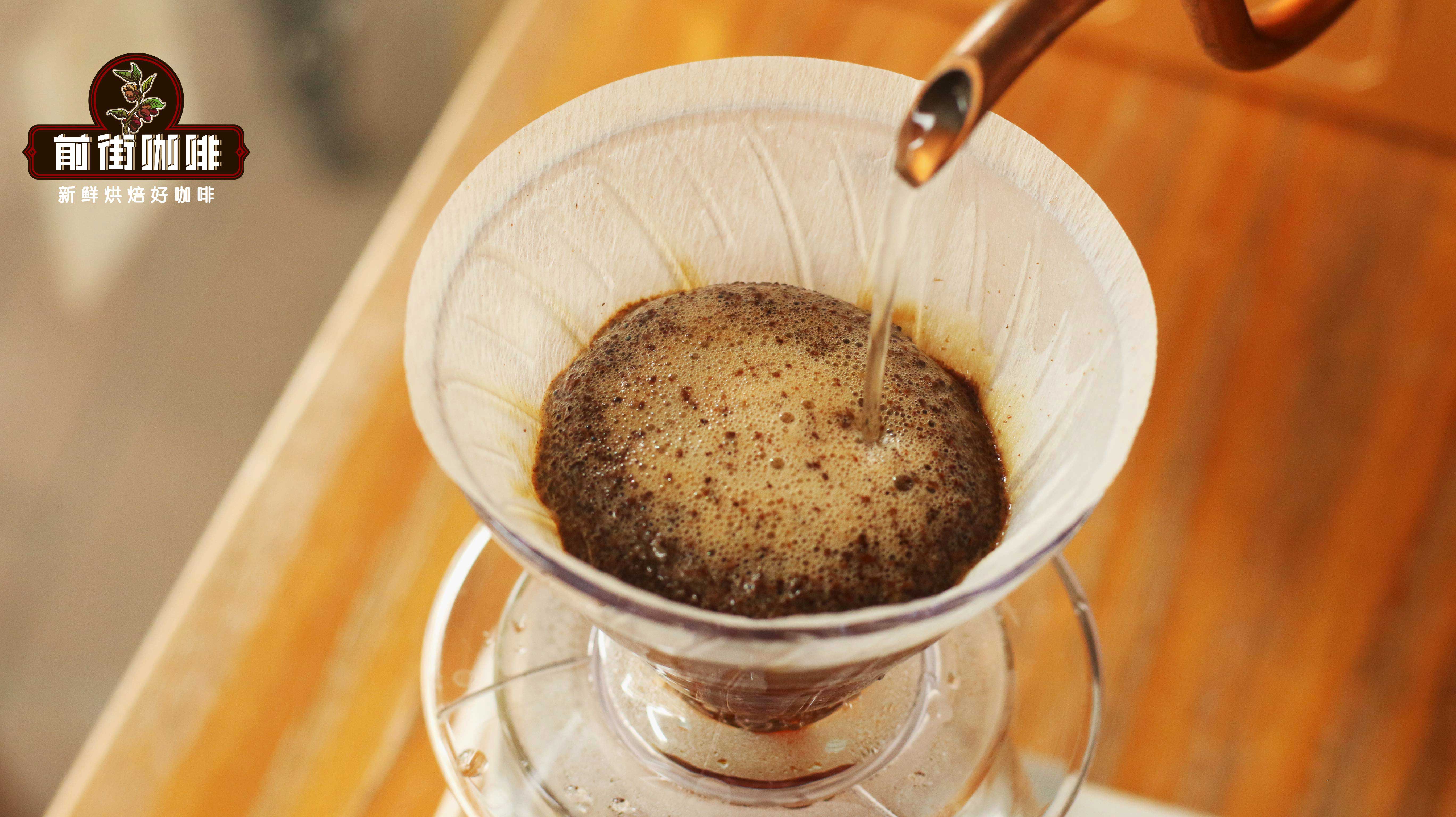
Second pour: after the bloom, increase the flow rate and steadily pour 95 g of water; the stream can be slightly larger and vertical and even, aiming to raise the bed moderately and promote even extraction. This stage should finish at about 55 seconds total, with the scale reading about 125 g.
Third pour: when the liquid level drops to half the height of the bed, begin pouring the final 100 g of water; use a smaller stream and control the circling range to avoid the stream being too large, which would over-spread the bed and affect extraction. After this pour, the total water reaches 225 g, and the whole extraction finishes in about 2 minutes.

Finally, remove the dripper and gently swirl the server to mix the coffee evenly, then pour into a cup and taste. At this point you should feel this washed Yirgacheffe's bright citrus acidity, soft berry sweetness, and delicate tea-like and honey aftertaste.
With the brewing method above, even coffee lovers who are just starting out can easily brew a cup of high-quality pour-over coffee with clear flavors and balanced acidity and sweetness, experiencing the unique coffee character of Ethiopia.


