Kerinci Tuju Cooperative Coffee: Women-Led Mandheling with Prominent Sweetness and Low Bitterness
Introduction: The Kerinci Tuju cooperative in the high-altitude Gunung Tujuh growing region of Sumatra, Indonesia, is made up of about 450 coffee farmers, including 4 women's growing groups. Traditional varieties such as Ateng and Jember are grown here, and through wet hulling and patio drying they produce Mandheling coffee beans with prominent sweetness and soft bitterness. From City to Full City roast levels, they reveal layered flavors of molasses, honey, blackberry, and more. This article details the origin's characteristics, processing methods, and home brewing suggestions.
In the high-altitude Gunung Tujuh coffee region of Sumatra, Indonesia, the Kerinci Tuju cooperative produces Mandheling coffee beans with a distinctive flavor profile thanks to its unique operating model and terroir. The cooperative serves about 450 surrounding coffee farmers, who are divided into 24 autonomous groups, including 4 growing groups made up entirely of women—particularly unusual in Indonesia's male-dominated coffee-growing system. The region sits on higher slopes at 1,400–1,500 meters above sea level, and most farms grow historic Typica-type coffee trees. The high altitude and steep terrain together create a growing environment where coffee cherries ripen slowly and flavor compounds become concentrated.

This coffee from the Kerinci region uses the classic wet-hulling (Giling Basah) method, in which some of the mucilage is removed and the beans are dried directly—the signature process of Sumatran coffee. Unlike the heavy earthy character commonly associated with Sumatran coffee, carefully sorted green beans are notably cleaner, with only a small number of immature and broken beans remaining. Although its grade does not meet the strict standards of Ethiopian specialty coffee, the overall quality is clearly better than ordinary commercial Sumatran beans—the defect rate on the bean surface is lower, laying the foundation for high-quality flavors in later roasting.
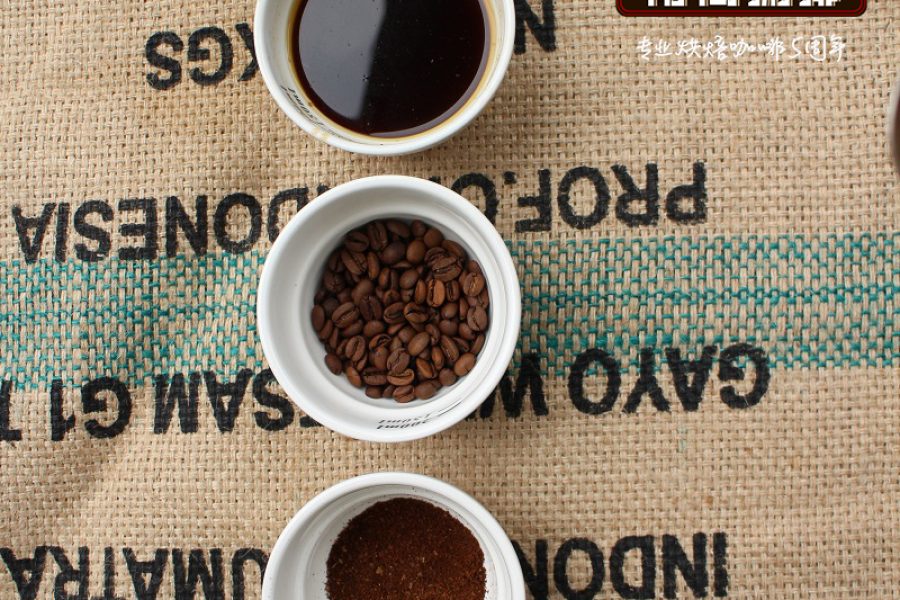
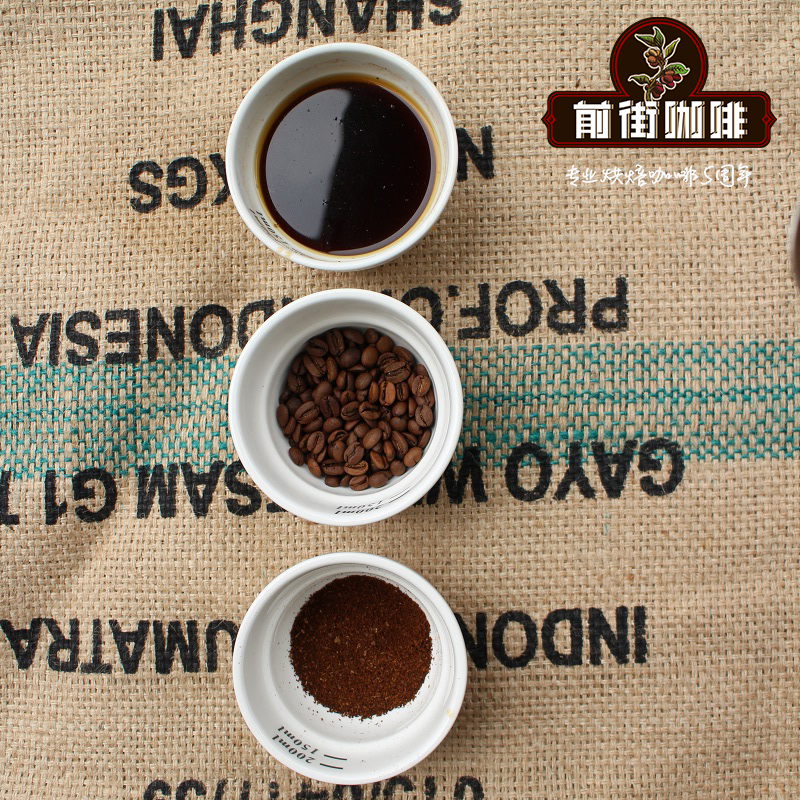
When roasted to City and City+ levels, this coffee shows a surprisingly impressive sweetness. In the dry aroma, a rich molasses-like sweetness can already be detected, accompanied by praline and pecan nut notes; when brewed and drunk hot, the warm aroma of honey wheat bread interweaves with a delicate thin ribbon of chocolate, with prominent overall sweetness and soft bitterness, overturning the traditional impression that "Mandheling must be bitter." Special note: at this stage, use a water temperature of 92–94°C, a medium-fine grind (such as the Pegasus M47 default setting), and a water-to-coffee ratio of 1:15; when pouring, use staged extraction to preserve the layers of sweetness.
For those who prefer richer flavor layers, the City roast performs equally well—a sweet lightness of light caramel glaze and the grain aroma of sorghum rice syrup form the base, layered with the fresh herbal character of barley tea and a subtle grain sweetness in the finish. The City+ roast further releases the thick sweetness of dark honey, paired with a surprising dried blackberry acidity that adds a lively dimension to the overall flavor. Notably, some samples develop a full rye-bread aftertaste as they cool, accompanied by a slight cocoa powder texture and a roasted sesame seed nutty finish, with natural transitions between layers.
For drinkers seeking intense flavor, Full City (medium-dark roast) can present a typical smoky quality, but the flavor complexity is relatively flat. Over-roasting may cause the sweetness to be masked by charred bitterness, so this roast level should be chosen with caution. When home roasting, note: when the bean surface turns dark brown (close to the start of second crack), watch the development time closely to avoid over-extending it and causing carbonization.
The Kerinci Tuju cooperative dries its coffee entirely on patios (Patio Drying)—that is, the coffee cherries are spread evenly on open-air drying yards and slowly dried through a combination of natural sunlight and manual turning. Although this method takes longer (usually 10–14 days), it effectively stabilizes moisture content and ensures even conversion of flavor compounds. The varieties it uses, such as Ateng, Jember, and Tim Tim, are not the currently popular Geisha or Bourbon, but because they are adapted to the high-altitude environment they accumulate a unique regional flavor—this combination of traditional varieties, wet hulling, and high-slope growing is precisely the key factor behind the cooperative's coffee character of "prominent sweetness and soft bitterness."


