Honduras Marcala Rose Estate Natural: Flavor Profile and Pour-Over Tips

Introduction: The Rose Estate natural coffee from Honduras's Marcala region is known for its distinctive berry and red wine aromas. This article introduces this Parainema and Icatu blend grown at 1,320 meters, from its cultivation background to its natural processing method, analyzes its round and smooth flavor characteristics, and provides brewing reference parameters for a light-medium roast to help you fully experience the appeal of this distinctive coffee.
Thanks to its exceptional climate and fertile soil, Honduras has risen to become the world's fifth-largest coffee exporter since 2018. Its main market is concentrated in the EU, with Germany consistently ranking first in import volume, followed by Belgium and Italy, while consumers in the United States and Japan also favor Honduran coffee beans.
Among Honduras's many coffee regions, Marcala is known for its steady output of specialty coffee beans and is regarded by coffee lovers worldwide as an important origin for specialty coffee. Most farms here are small family operations. Although they face challenges such as weak infrastructure and limited economic resources, producers remain focused on improving post-harvest processing techniques, continuously raising coffee quality through refined processing methods while adhering to eco-friendly cultivation practices.
The Rose Estate natural coffee introduced here is a representative example of the Marcala region. This coffee not only carries the craftsmanship of small farms but also presents layered tropical fruit flavors through its distinctive natural processing method.
■ Coffee region: Marcala
■ Producer: Rose Estate
■ Coffee varieties: Parainema × Icatu
■ Altitude: 1,320 meters
■ Processing method: Natural process
■ Roast recommendation: Light-medium roast
■ Core flavors: Bright red berry sweetness with an elegant red wine fermentation aroma, a round and full body, and a clean, refreshing, and long-lasting finish
Rose Estate has chosen to interplant two high-quality coffee varieties, Parainema and Icatu. Parainema is known for its strong disease resistance and distinctive flavor, while Icatu brings balanced acidity and body; together they lay a complex yet harmonious foundation for this natural coffee. Grown at an altitude of 1,320 meters, the longer growing cycle allows the coffee cherries to fully accumulate sugars and flavor compounds.
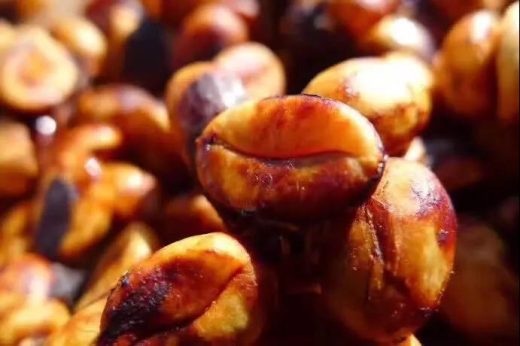
The natural processing method plays a key role in this coffee. The estate follows a traditional and rigorous natural process, spreading evenly ripe coffee cherries on raised drying beds and drying them slowly under ample sunlight. The cherries are turned regularly to ensure even drying, and temperature and humidity changes are closely monitored; the entire drying process usually lasts 2 to 3 weeks. This processing method not only preserves the natural sugars in the fruit pulp but also gives the coffee rich berry sweetness and a mellow vinous quality, making the overall flavor fuller and more layered.
For roasting, a light-medium roast can maximize this coffee's regional characteristics and the distinctive flavors brought by its processing method. A medium grind is recommended, paired with pour-over brewing. Reference parameters: water temperature 90–92°C, coffee-to-water ratio 1:15–1:16, with staged pouring. In the first stage, pour 30% of the total water for a 30-second bloom, then slowly pour the remaining water, keeping the total brewing time between 2 minutes 30 seconds and 3 minutes. These parameters help highlight the fresh sweetness of red berries and the vinous lingering finish.
Whether as an everyday coffee or for a journey of exploring distinctive coffee flavors, this Rose Estate natural coffee from Marcala, Honduras, will bring you vibrant berry aromas and a silky, smooth tasting experience. From cultivation and harvesting to processing, every step reflects the care and dedication of small farmers, making every cup more meaningful.