How Pour-Over Water Flow Affects Extraction: Master Pouring Technique to Improve Flavor
Introduction: The flavor expression of pour-over coffee is closely related to water flow control. Water flow not only affects coffee extraction efficiency but also directly determines aroma release and the layers of mouthfeel. This article compares high-flow and low-flow brewing experiments to analyze the specific effects of different pouring methods on coffee concentration, extraction time and flavor presentation, helping coffee enthusiasts optimize brewing parameters and improve the pour-over experience.
A high-quality cup of pour-over coffee depends on precise control of key factors such as water temperature, grind size and pouring technique. Among these, the size of the pouring stream is often overlooked, yet it plays a crucial role in the overall extraction effect. From the initial blooming stage, the water flow affects the water absorption state of the coffee bed, which in turn shapes the final flavor direction of the coffee.
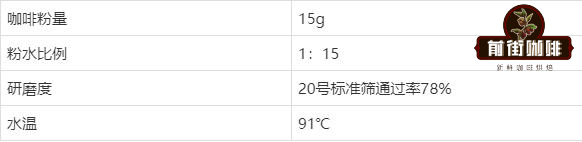
To understand the actual impact of water flow size, we conducted a comparative experiment while keeping other variables consistent. The main parameters were set as follows: freshly roasted medium-light roast coffee beans, 30 grams of coffee, and a total water volume of 225 grams, poured in two stages—first 30 grams for blooming, left to rest for 30 seconds, then pouring continued to 125 grams before stopping, and after the coffee bed dropped by about half, pouring resumed to 225 grams to complete extraction. The only variable was the flow rate and pouring technique, namely "high flow" and "low flow."
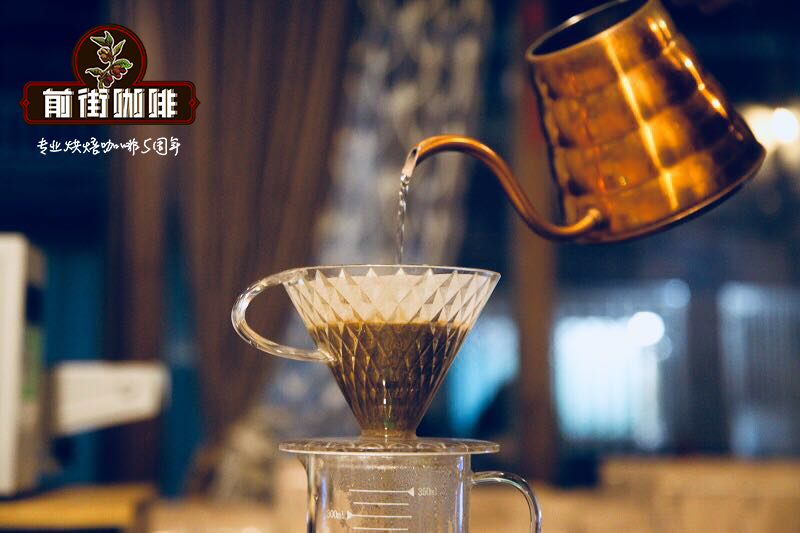
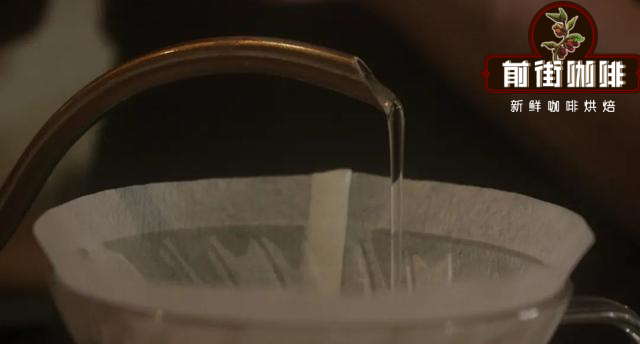
In the high-flow experiment, the pouring speed was about 6 grams per second, using a circular motion from the center outward and back to the center. The water flow had strong impact force and a higher pouring height, causing the coffee bed to expand rapidly and the liquid level to rise noticeably. Because the V60 dripper has ribs of different lengths, fast pouring causes the liquid level to quickly reach the short rib area at the upper edge of the dripper, prompting some water to flow away from the edge without fully contacting the coffee grounds, thereby shortening the contact time between water and coffee grounds. The final extraction time was 1 minute 44 seconds.
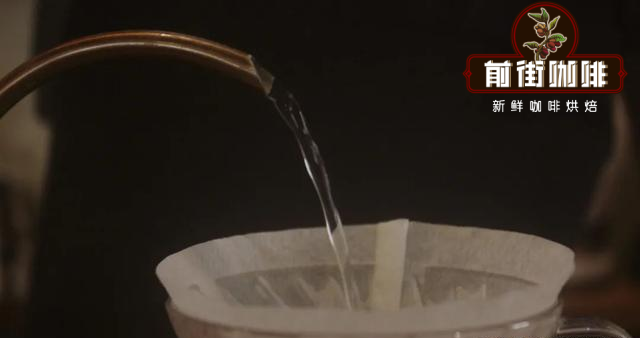
In the low-flow experiment, the pouring speed was slowed to 4 grams per second, using the same technique of center outward and then spiraling back to the center, but the stream was softer and more delicate, and the pouring height was lower. The coffee bed expanded relatively gently, and the liquid level remained in the lower-middle part of the dripper, allowing water and coffee grounds to contact for a longer time. The extraction time was extended to 1 minute 57 seconds.
The experimental results showed that water flow size had limited effect on the overall concentration difference of the coffee liquid, but there was a significant difference in flavor presentation and extraction efficiency. Due to the short contact time, high flow produced a more concentrated extraction, with flavors leaning toward clarity and cleanliness, prominent acidity, and rapid aroma release, but the overall layering was weaker and tended to seem one-dimensional. This brewing method is suitable for drinking scenarios that pursue a bright mouthfeel and efficient extraction.
In contrast, the slow pouring of low flow lengthened the extraction time, allowing fuller interaction between water and coffee grounds and favoring the gradual release of flavor compounds, especially showing richer performance in sweetness, body and complex layers. However, note that if the pouring speed is too slow or the time too long, over-extraction can easily occur, bringing bitterness or off-flavors, so higher demands are placed on operational stability and rhythm control.
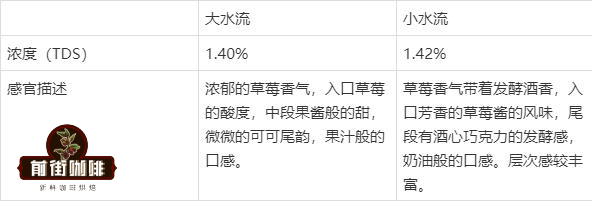
In summary, high flow is suitable for fast extraction pursuing high aroma and a refreshing flavor, while low flow is better for displaying detailed flavors and complex layers. In practice, it is recommended to flexibly adjust the pouring method according to the characteristics of the coffee beans (such as roast level, origin and processing method), personal taste preference and the type of dripper used. For example, for light-roasted beans with lively acidity, moderately using low flow can better bring out their fruity and floral notes; while for medium-dark roasted coffee or when pursuing a full-bodied mouthfeel, the flow can be appropriately increased to highlight its caramel and nutty flavors.
In addition, regardless of which pouring method is chosen, maintaining a stable water flow and even coffee bed distribution is always key. Beginners are advised to practice fixing the pouring height, controlling the flow rate and circular path, and gradually find the best extraction plan suited to their own taste and equipment, thereby further improving the overall quality and drinking experience of pour-over coffee.