Jamaica Blue Mountain Coffee Grading: Three Categories and Flavor Differences
Introduction: Jamaica Blue Mountain coffee is recognized worldwide as one of the finest coffees, prized for its rarity and exceptional quality. This article examines in depth the three main categories of Blue Mountain coffee and its rigorous grading standards, from growing elevation and processing methods to detailed parameters on bean shape and defect rates, helping coffee lovers accurately identify genuinely high-quality Blue Mountain coffee, and offers professional brewing advice to fully bring out its distinctive flavors.
Jamaica Blue Mountain coffee is famous far and wide, yet the market is flooded with imitations. What makes genuine Blue Mountain coffee unique? This article explores this top-tier coffee across its categories, growing region background, grading system and flavor characteristics.
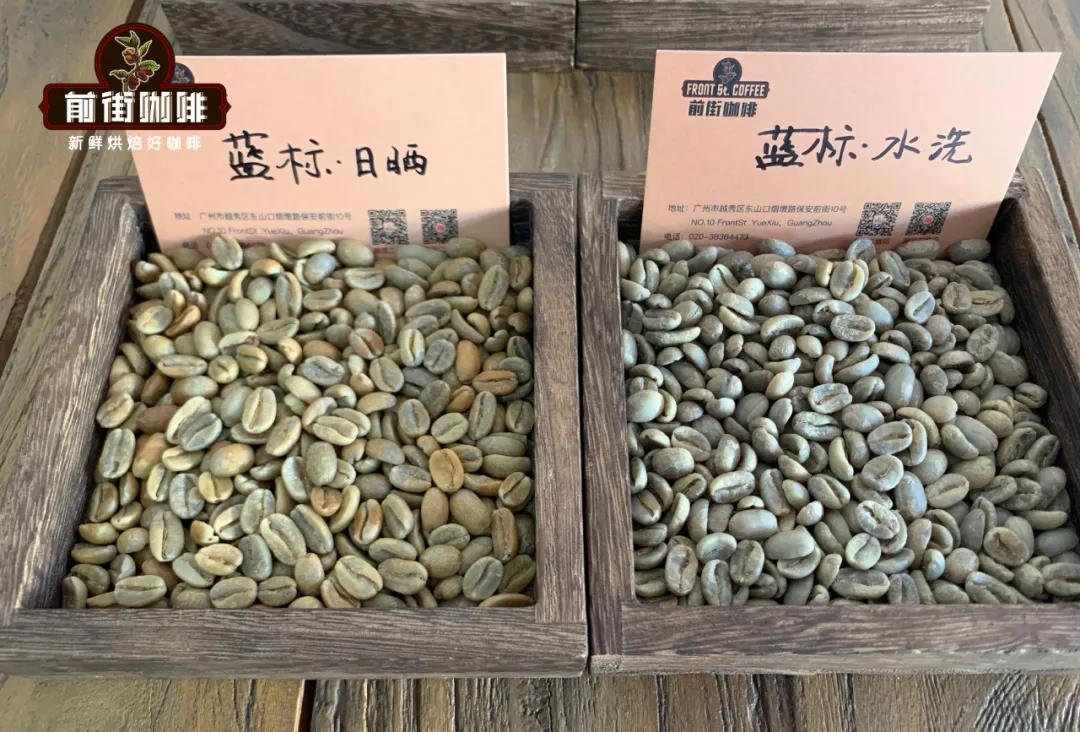
Blue Mountain coffee falls into three main categories: washed Blue Mountain No. 1, traditional washed Blue Mountain, and the naturally processed Blue Mountain that has appeared in recent years. Among these, washed processing is the classic method for Blue Mountain coffee, preserving its pure flavors to the greatest extent, while natural processing is a newer approach tried in recent years to follow specialty coffee market trends. Washed Blue Mountain remains the mainstream, however, because it better expresses the bright acidity and layered complexity of Blue Mountain coffee.
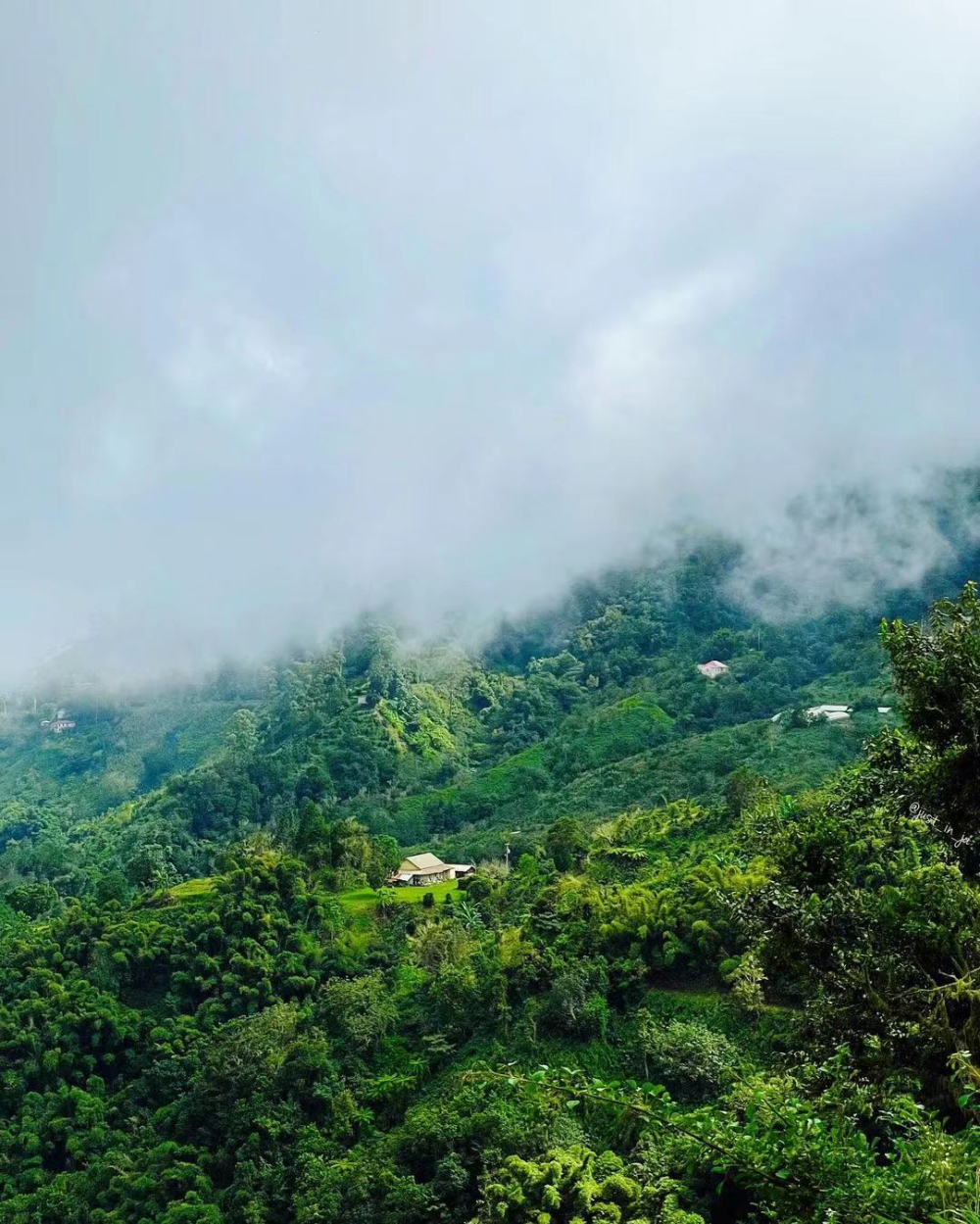
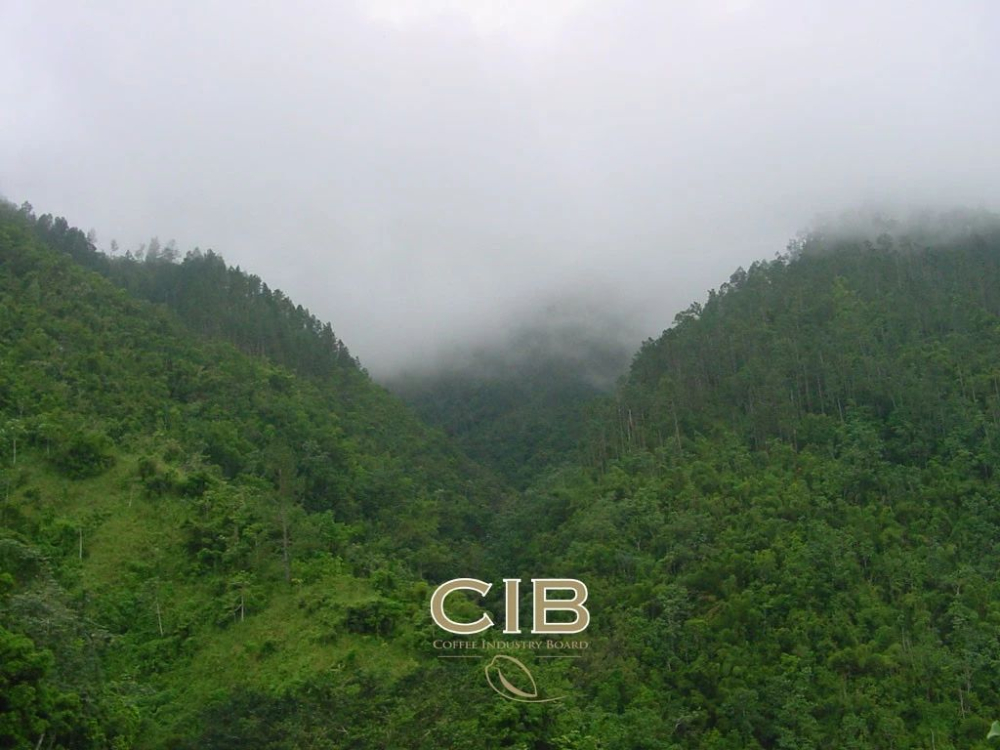
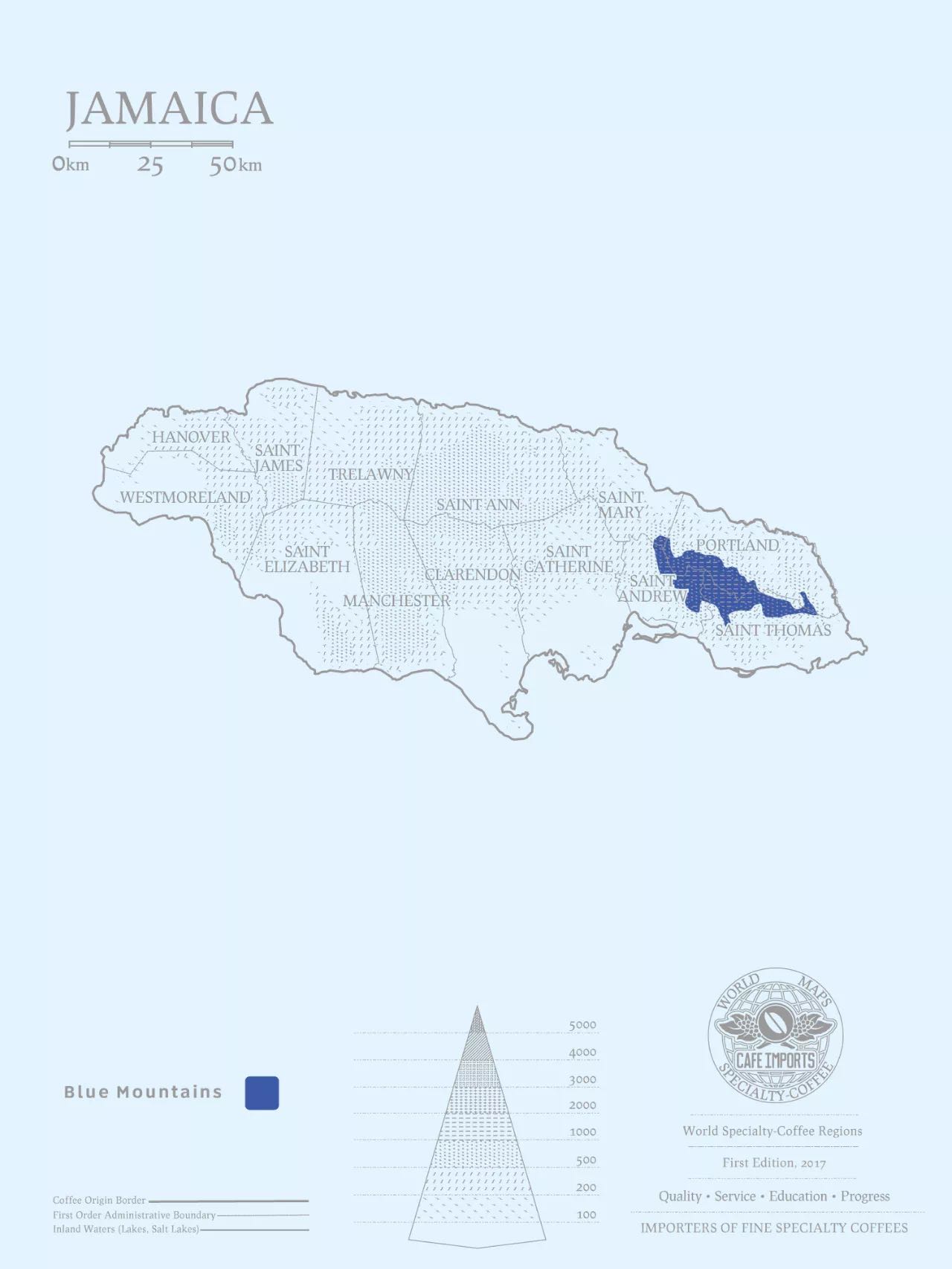
The core growing region for Blue Mountain coffee lies in Jamaica's Blue Mountain range, at elevations of roughly 910 to 1,700 meters, with around 1,310 meters considered the ideal height for growing premium Blue Mountain coffee. The area's distinctive microclimate—year-round cloud cover, fertile volcanic soil and moderate day-night temperature swings—gives Blue Mountain coffee its delicate, balanced flavor profile.
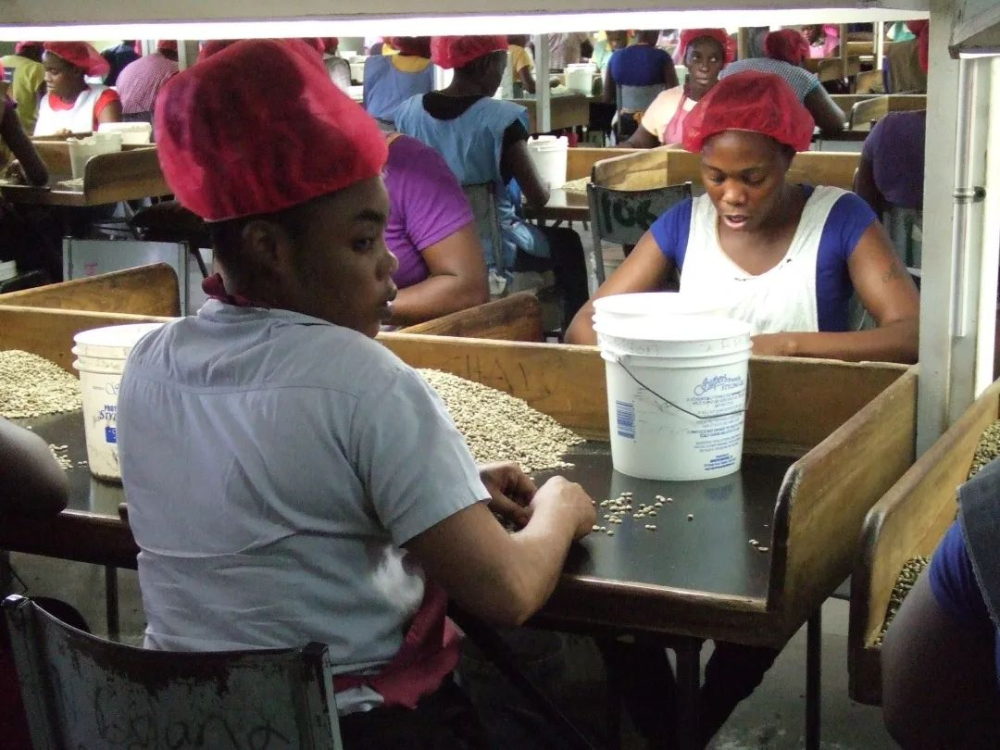
The grading system for Blue Mountain coffee is extremely strict. Based on bean size, defect rate and processing method, it is divided into four grades: NO.1, NO.2, NO.3 and PB (peaberry). NO.1 is the highest grade, requiring at least 96% of beans to be 17/18 screen size, a defect rate of no more than 2%, and a moisture content of about 13%. Beans of this grade are plump and well balanced in flavor—the finest of Blue Mountain coffees.
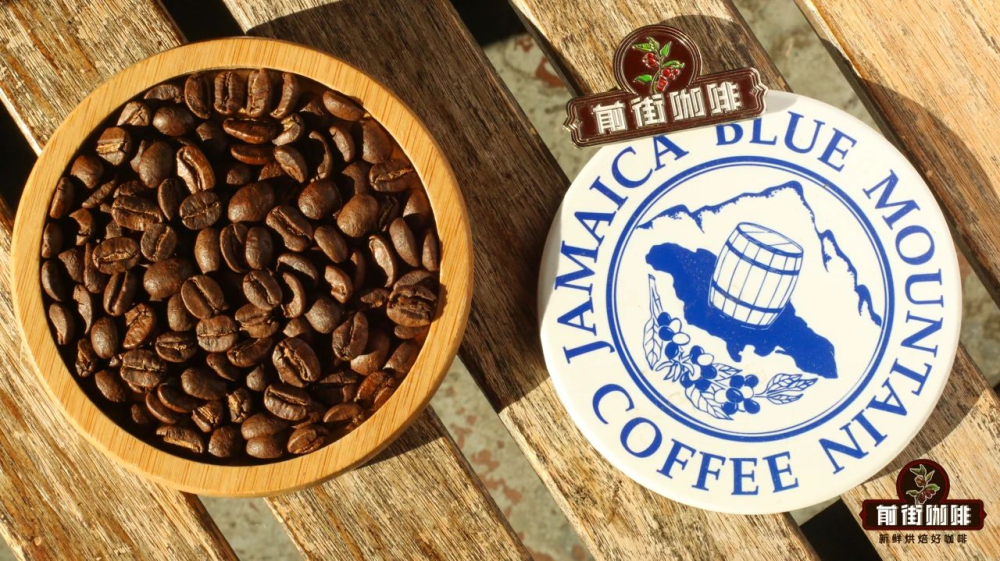
Blue Mountain No. 1 beans typically show brown sugar sweetness and berry acidity, developing complex nut and cocoa notes in the middle, a creamy-smooth mouthfeel and a walnut-scented finish. Naturally processed Blue Mountain, by contrast, features mainly dark chocolate and nut flavors, with fuller body, balanced acidity, sweetness and bitterness, and outstanding cleanliness. The two processing methods each have their own character, but both must meet strict regional and quality standards.
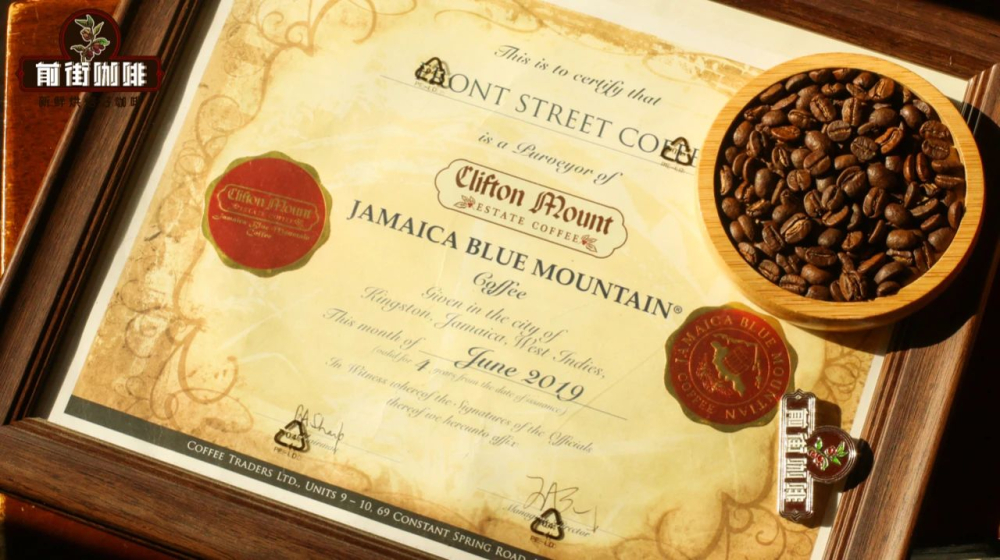
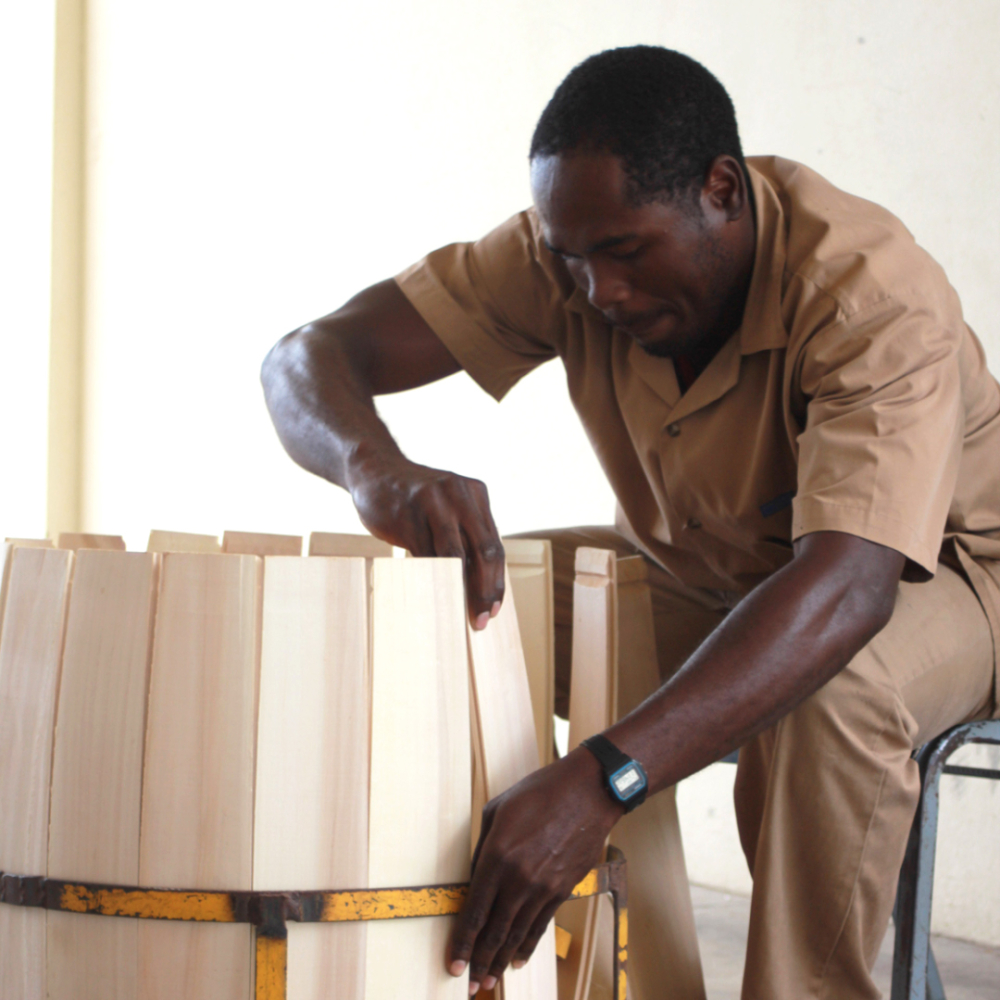
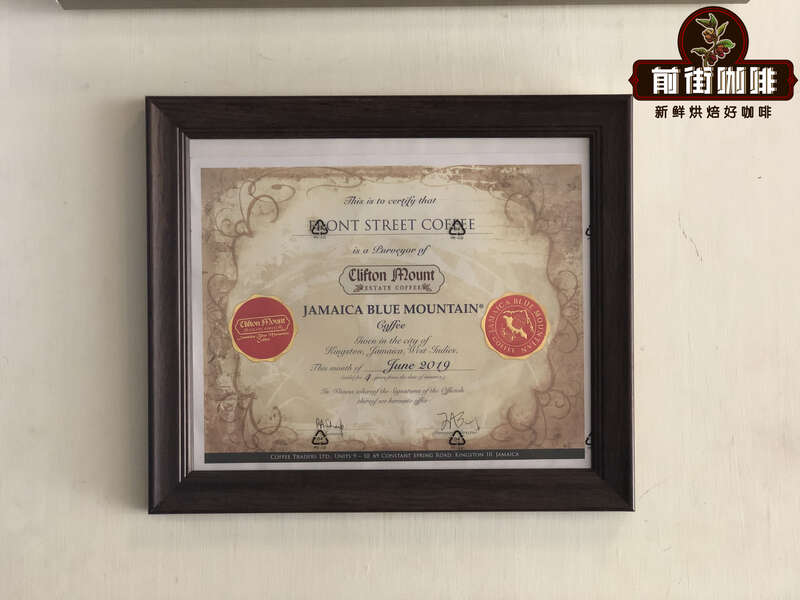
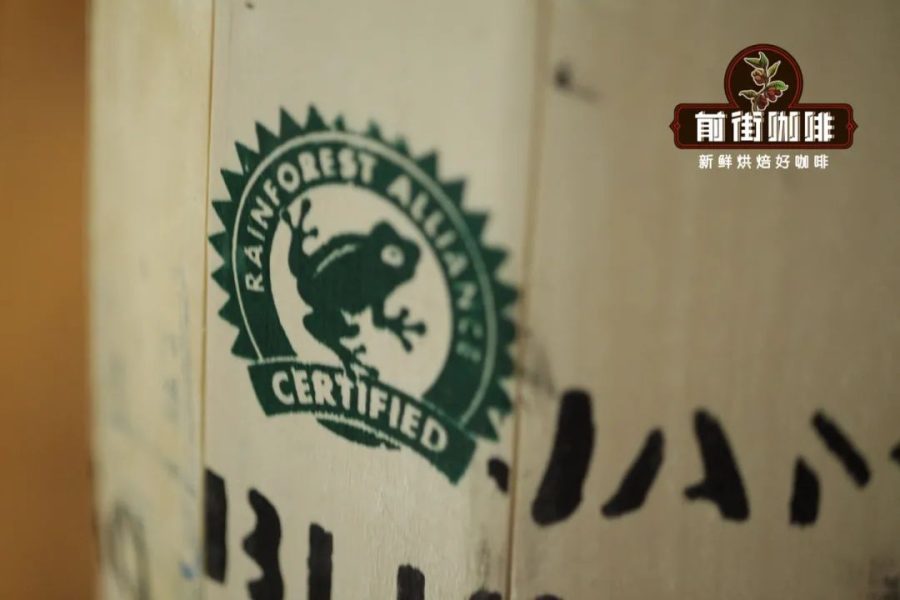
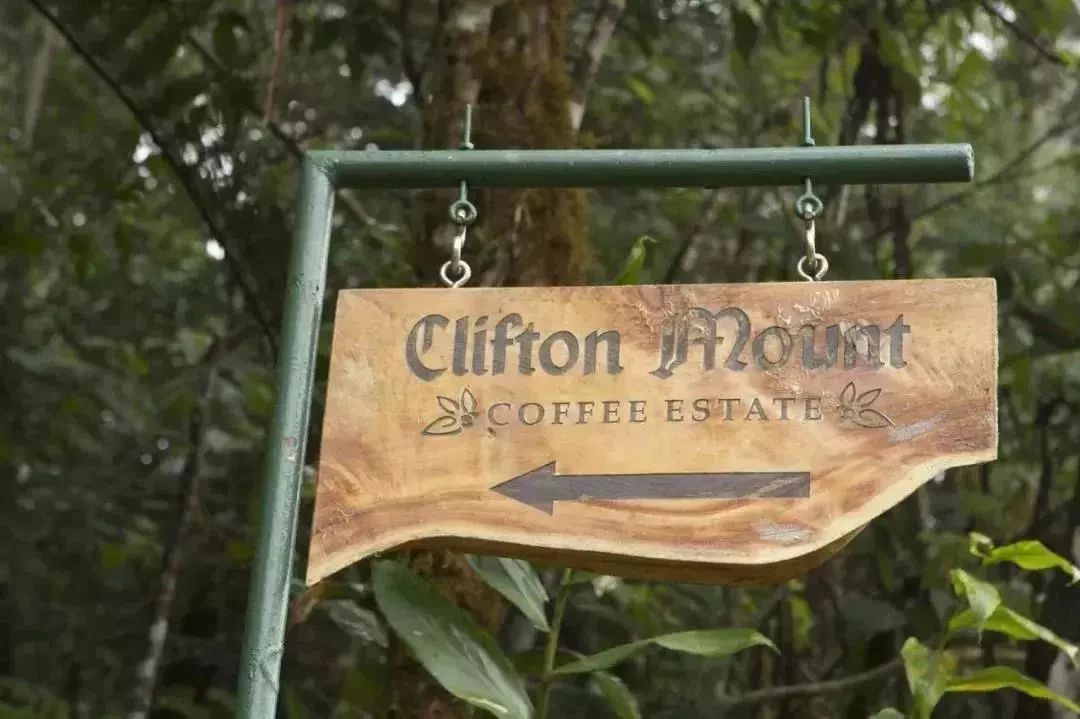
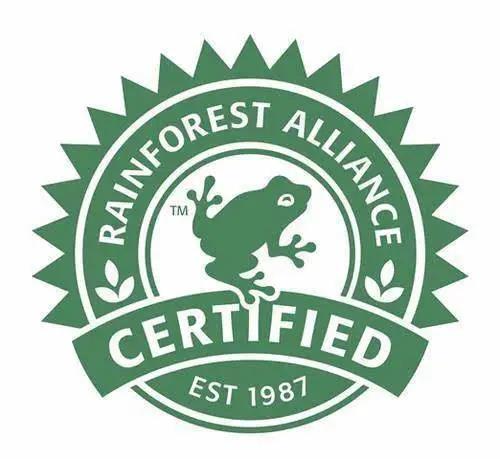
It is worth noting that Clifton Mount Estate is the oldest estate in the Blue Mountain region and the only one certified by the Rainforest Alliance; its certification mark is a green frog logo on the wooden barrels, one of the key ways to verify authenticity. The estate not only has a long history but is also known for its strict cultivation and processing standards.

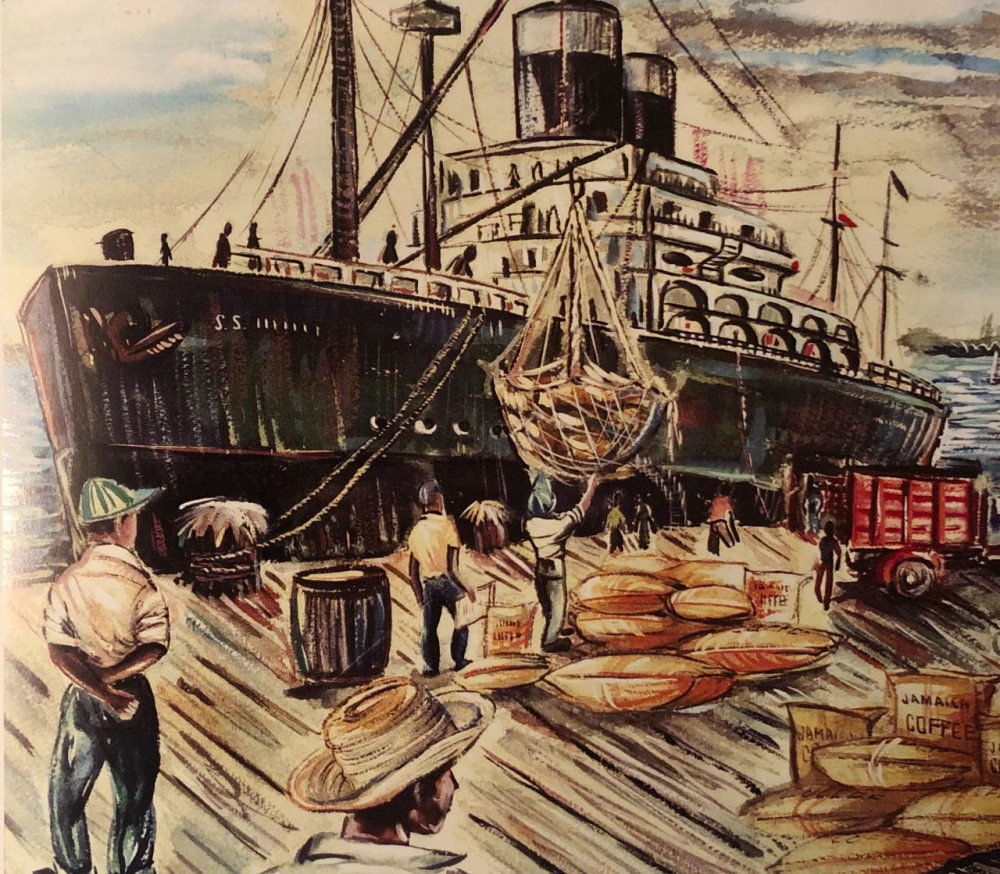
The history of Blue Mountain coffee dates back to the 18th century, when the British introduced Typica coffee trees to Jamaica's Blue Mountain region. Thanks to its superior natural conditions, Blue Mountain coffee quickly won royal favor. In the mid-19th century, Blue Mountain coffee exports reached 15,199 tons at one point, making it an important coffee-producing region in the Western Hemisphere.
After the abolition of slavery in 1838, however, labor shortages caused production to plummet. By 1943, Canada and other countries had successively refused to import Jamaican coffee, prompting the local government to establish a central washing station in 1944, with A.J. Wakefield driving quality reform. Afterwards, the Jamaica Coffee Industry Committee and the Coffee Industry Board (CIB) were established in succession, building a quality supervision system covering the entire process from cultivation to export.
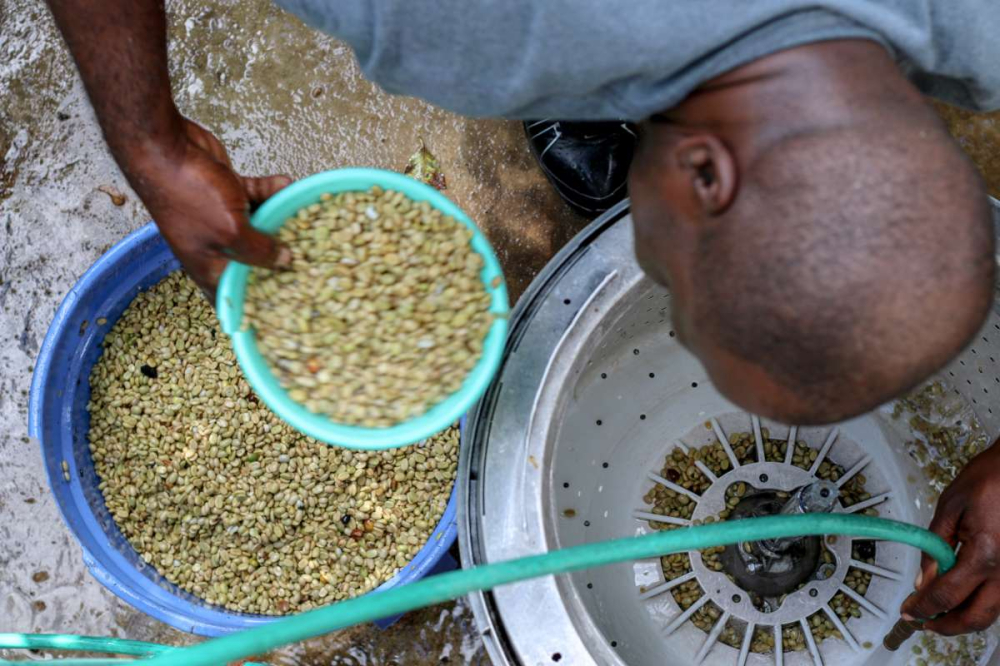
In 1971, Jamaica signed an agreement with Japan to supply 90% of its annual output to the Japanese market, further increasing the rarity of Blue Mountain coffee. Today, the planted area in the Blue Mountain region is only about 6,000 hectares, with 12,000 hectares used for growing other types of coffee, making beans that truly meet Blue Mountain standards even more precious.
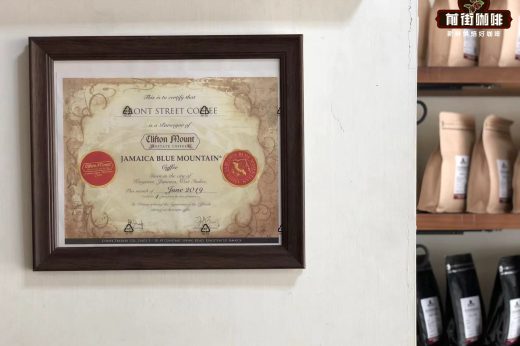
Identifying authentic Blue Mountain coffee requires attention to three key points: first, check the certificate of quality issued by the Jamaica Coffee Board; second, confirm that it is distributed by the four government-authorized processors and 16 exporters; and finally, look for the certificate of origin. In addition, genuine Blue Mountain coffee is grown only above 2,200 feet (about 670 meters) in elevation and is packaged in distinctive wooden barrels, unlike ordinary coffee shipped in burlap sacks.
The specific Blue Mountain grading standards are as follows: NO.1 requires 96% at 17/18 screen size with a defect rate of ≤2%; NO.2 is 16 screen with a defect rate also ≤2%; NO.3 is 15 screen; PB peaberry is 10 screen. Every grade must strictly control its defect rate to ensure pure flavor. Derived grades such as mixed beans and fine beans serve specific needs, but differ significantly in price and quality.
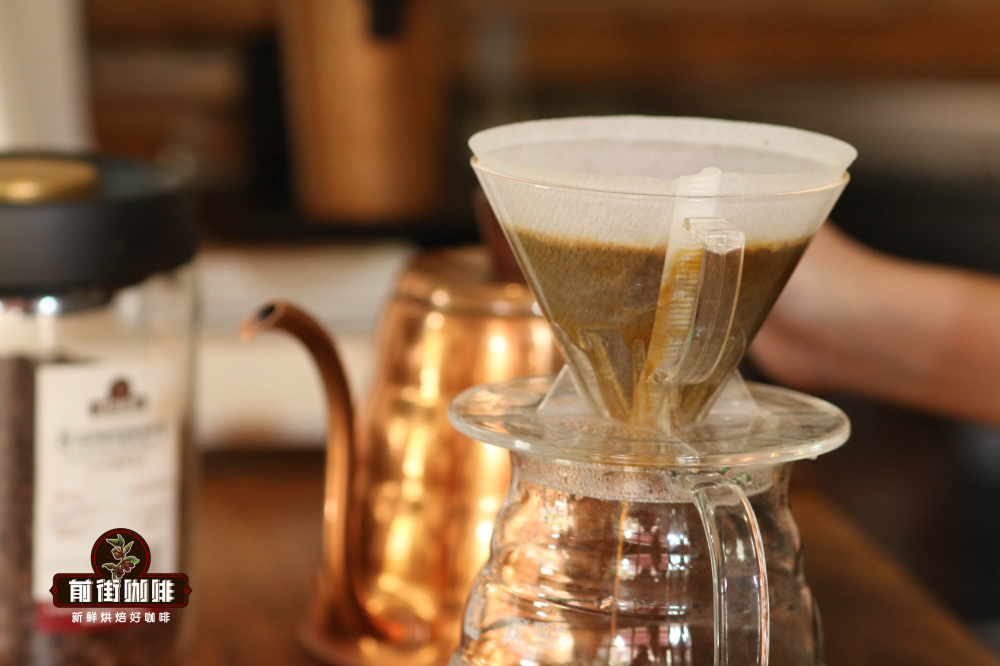
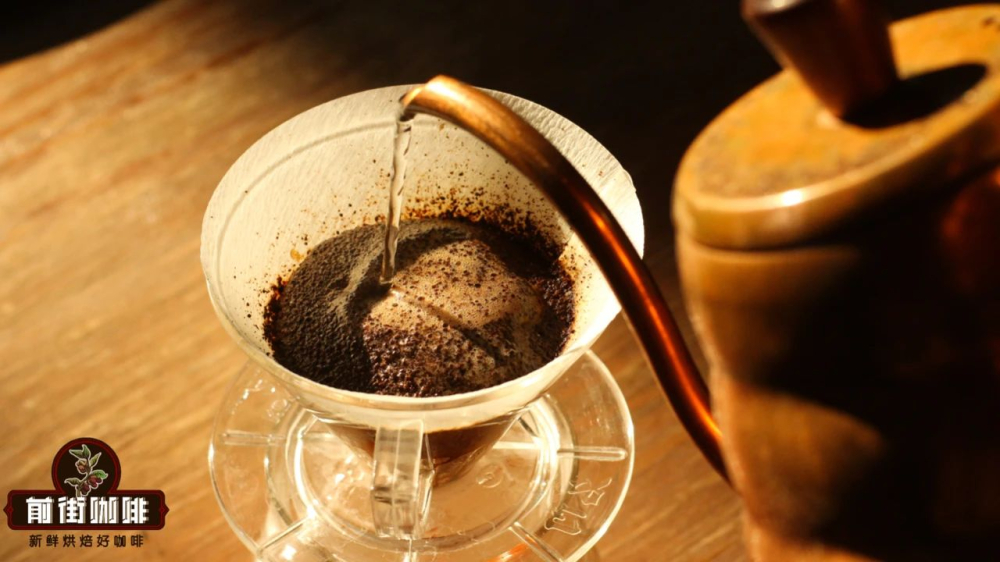
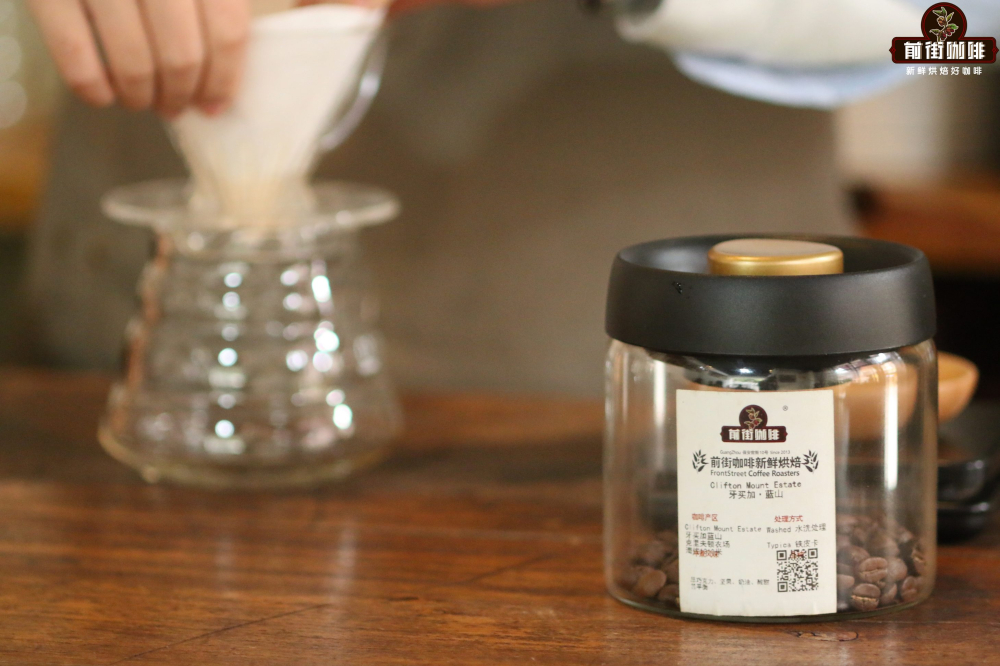
For coffee lovers, brewing Blue Mountain coffee requires precise parameters. A KONO dripper is recommended, based on 15 grams of coffee grounds, a 1:15 coffee-to-water ratio, 88-89°C water temperature and a medium-coarse grind (75% passing a No. 20 sieve). The staged pouring method is as follows: bloom with 30 grams of water for 30 seconds, pour in a small stream in circles to 130 grams, then pour 65 grams in a large stream to a total of 195 grams, for a total time of about 1 minute 50 seconds, fully revealing the body and layers of Blue Mountain coffee.
In summary, the value of Jamaica Blue Mountain coffee stems not only from its rare growing environment but also from its strict quality management system and refined processing methods. Understanding the grading standards and flavor characteristics helps consumers distinguish genuine from fake in the market and savor truly top-tier Blue Mountain coffee.