Colombia Huila San Isidro Geisha Washed: COE Winning Flavor and Brew Guide
Introduction: This washed Geisha from San Isidro Estate in Huila, Colombia, is a consistent winner in COE competitions. The growing environment at 1,550–2,100 meters gives it distinctive floral and citrus notes, and with meticulous washed processing it presents a layered black tea finish. This article details the estate background, variety characteristics and professional-level flavor performance, and offers practical brewing parameter suggestions to help you fully experience this specialty coffee's potential.
In the golden coffee-growing belt of Huila Department in southern Colombia stands a century-old estate known for its refined management—San Isidro. This small estate of only 8 hectares, through its extreme control of washed processing, has achieved excellent results for consecutive years in the COE (Cup of Excellence) international competition, becoming a key focus for specialty coffee buyers worldwide.
The estate actually consists of two historic family plantations: San Isidro Chacaya and Los Ririos. Although the original text contains an error regarding the Guatemalan location (it should be Huila Department, Colombia), the altitude data is accurate—the core growing area is distributed across high mountain terrain from 1,550 to 2,100 meters, adjacent to natural landmarks such as San Pedro Volcano and Lake Atitlán. This unique geographical environment creates significant day-night temperature differences and mineral-rich volcanic soil, providing ideal growing conditions for the Geisha variety.
The estate adopts a small-scale precision planting model; of the total planting area, only 46 hectares are used for coffee production (the original 180-hectare total area includes a nature reserve), of which 30% is Typica. Particularly noteworthy is the Geisha cultivation management: growers strictly control shade density and harvest maturity to ensure every coffee cherry reaches optimal flavor accumulation.
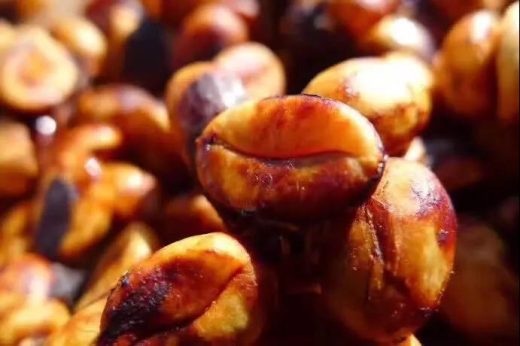
The washed processing technique is the core competitiveness of this bean. The estate follows traditional procedures but incorporates modern quality control: after selecting fully red cherries and carefully removing mucilage, it uses 24–36 hours of temperature-controlled fermentation (actual parameters may vary by year), followed by slow drying on terraced shaded drying beds. This processing method preserves Geisha's signature floral base while strengthening the fresh citrus fruit character through washed processing.
In terms of flavor, this Geisha from the 1,550–2,100 meter growing area presents a classic three-stage profile: the dry aroma carries the fresh scent of white jasmine and lemongrass; the initial sip bursts with bright grapefruit and blood orange acidity, transitioning to honey sweetness in the middle, while the finish shows a mellow woody note reminiscent of Darjeeling black tea. Professional cuppers often describe it as having "a balance of high sweetness and low astringency," suitable for pour-over enthusiasts seeking complexity.
For home brewing, the recommended basic parameters are a V60 dripper + 92°C water temperature: grind setting at 80% passing a Chinese standard No. 20 sieve (roughly medium-fine), coffee-to-water ratio 1:15. For staged pouring, first pour 30 grams of water and bloom for 30 seconds, then slowly pour in a central circular motion to a total water volume of 225 grams. Pay special attention to water hardness—filtered water (TDS 50–100 ppm) is recommended to highlight the citrus notes.
From a sustainability perspective, the estate implements a zero-waste production system: coffee mucilage and wastewater are converted into organic compost, reducing chemical fertilizer use by 30%. This environmental practice not only protects the surrounding ecosystem but also continuously improves soil activity through microbial action, laying the foundation for long-term Geisha cultivation.