Utengule Estate, Tanzania: Rift Valley Terroir and Pour-Over Guide
Introduction: Explore Utengule Estate at the foot of the Mbeya Mountains in southern Tanzania, where 100% Arabica coffee, nurtured by unique terroir and a century of inherited craft, has become a new favorite among specialty coffee lovers. From the volcanic soil at 1,400 meters to traditional shade-grown cultivation, learn how these AA-grade beans—with both blackberry acidity and a full, wine-like body—travel from the field to your pour-over brewer, with tasting notes and brewing parameters for reference.
In the Mbeya Mountains region, where the East African Rift extends into southern Tanzania, Utengule Estate sits at 1,400 meters in a uniquely favored coffee-growing belt. Average summer temperatures here stay in the ideal 22-25°C range, and the concentrated rains from October to April, together with a climate of distinct wet and dry seasons, provide a stable growing environment for Arabica trees. Particularly noteworthy is the soil, formed from basalt weathered over millions of years of volcanic activity and naturally rich in organic matter and minerals such as potassium and phosphorus.
The estate maintains more than 300 hectares of ecological cultivation, about 40% of which is devoted to certified Bourbon coffee varieties. These plants are generally grown under traditional shade, with a canopy formed by surrounding native trees moderating the microclimate—reducing the risk of afternoon sun scorching the fruit while providing habitat for more than 200 local bird species. Field observations show that understory vegetation coverage beneath the properly spaced coffee trees exceeds 60%, and this ecological balance effectively sustains soil microbial activity.
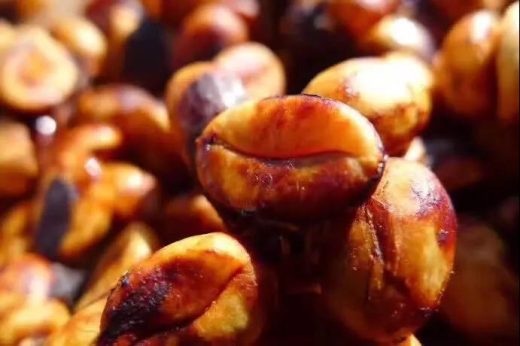
Coffee cherries are harvested strictly during the ripening season from April to July, and pickers must select fully ripe, deep-red cherries one by one. Processing uses the classic natural sun-drying method: beans in parchment are spread evenly on raised drying beds (spaced at least 30 cm apart) and turned 3-4 times a day for even exposure, with the whole drying process lasting about 21-28 days until moisture content drops to 11%-12%. Key tip: For home storage, use an aluminum foil bag with a one-way degassing valve and keep it away from light at 18-22°C to maintain flavor stability for 12 months.
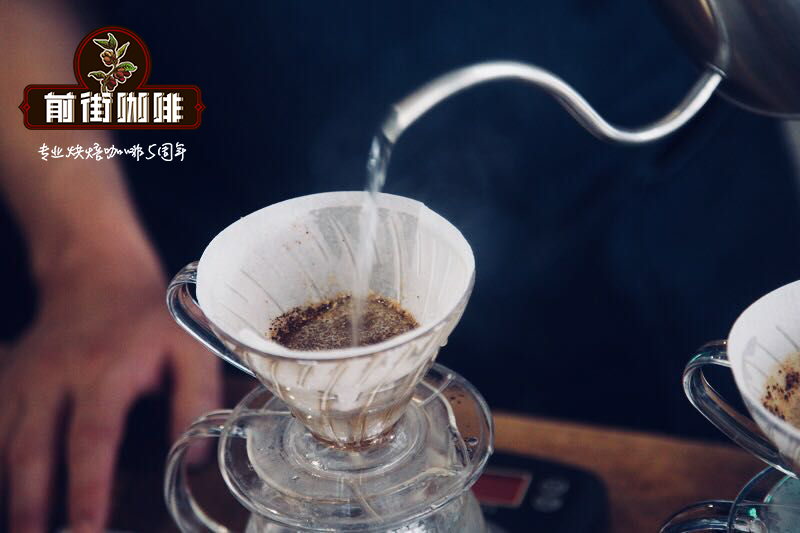
After double sorting, the AA-grade green beans enter a 60-day resting period, during which slow enzymatic reactions occur inside the beans. Roasters generally recommend a medium roast (charged at the dense phase of first crack, with development time at 15%-18% of total roast time) to balance sweetness and acidity—at this point caramelization highlights the bright acidity of blackberry-like fruit while preserving the full, wine-like body produced by sucrose conversion. Pour-over parameters for reference: V60 dripper / 90-92°C water / 1:15 coffee-to-water ratio / medium-fine grind (75% passing a Chinese standard No. 20 sieve); when pouring in stages, make sure the first bloom pour just covers all the grounds.
Professional cupping reports show three layers of flavor in this coffee: citrus acidity (about 37% citric acid) unfolds quickly on the first sip, blackberry and red currant emerge in the middle, and the finish carries a distinct dark chocolate aftertaste with a faint savory note of volcanic minerals. Compared with ordinary commercial beans, its sweetness index is 22% higher, thanks to the estate's sustainable fertilization system, which relies on humus compost and coffee pulp returned to the fields.
As a product from a region in the top 1% by premium rate in the global specialty coffee trade, Utengule coffee is mainly supplied to specialty roasters in Europe and high-end café channels in Japan and the United States. Notably, despite a century of coffee-growing history, the estate has established a complete ecological cycle—including post-harvest washed processing using mountain streams (flow rate controlled at 0.8 L/s·m²) and an organic waste composting area (annual capacity of 80 tons)—keeping soil fertility indicators consistently more than 30% above surrounding conventional growing areas.