Ethiopia Yirgacheffe Natural G1: Flavor Analysis and Brewing Guide
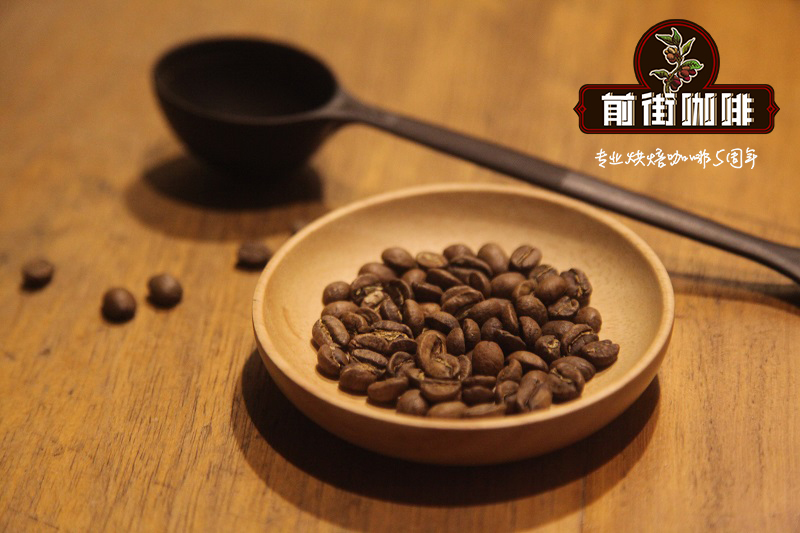
Introduction: This natural G1 specialty coffee from the Kochere sub-region of Yirgacheffe achieves a perfect balance of bright fruit acidity and rich sweetness through the unique craft of the Shereritu washing station. We will take an in-depth look at its regional terroir and the essence of its natural processing, and provide professional roasting curves and pour-over parameters, guiding you through the berry-burst flavors of coffee grown at 1,900 meters above sea level.
This highly regarded coffee originates from Ethiopia's legendary Yirgacheffe region, specifically the Kochere sub-region. As a benchmark of Ethiopian specialty coffee, its natural-processed version is known for its G1 top-grade certification. The green beans show the typical irregular shape, with fresh aromas of green apple and fresh berries, characteristics that are fully developed during subsequent processing.
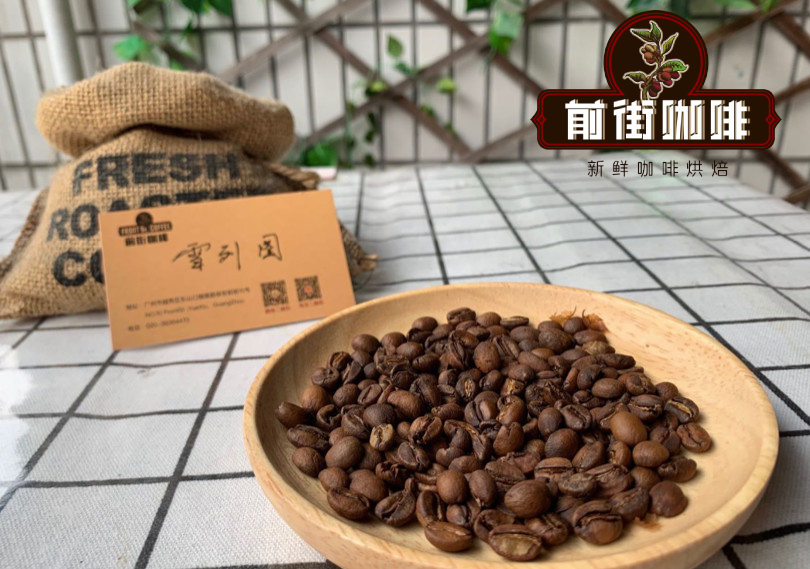
The region lies in the Kochere highlands at 1,900–2,000 meters above sea level, within the Yirgacheffe micro-region. The area receives abundant annual rainfall, and its unique highland climate and volcanic soil together produce coffee with distinctive character. It is worth noting that although Yirgacheffe is administratively part of the Sidama province, its elevation is generally higher than the provincial average, reaching up to 2,600 meters; this geographical advantage directly creates the coffee's bright acidity and complex aromatic layers.
In terms of processing, the Shereritu washing station uses the traditional raised-bed natural method. After picking, selected high-quality coffee cherries are dried whole with the fruit pulp intact for 14–21 days. The key control point is placing the cherries on ventilated drying racks at least 1.5 meters above the ground and turning them at set times each day to ensure even drying. This meticulous management effectively avoids contamination from ground odors, ultimately forming a clean and pure fruit character. After drying, the coffee fruit must undergo professional hulling, by which time the sugars have fully penetrated into the seed.
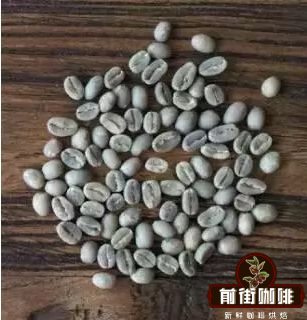
Observing this batch of G1 green beans: screen size concentrates in the 14–15 range, showing the typical small-bean characteristics of Ethiopian heirloom varieties. Natural processing gives them a yellow-green color, with a defect rate below 3%. Professional roasters recommend a light roast profile to highlight the floral and fruity character. During roasting, particular attention must be paid to heat control in the drying phase (140–151°C) and to precise judgment of first crack (198°C); these two key points directly affect the final flavor presentation.
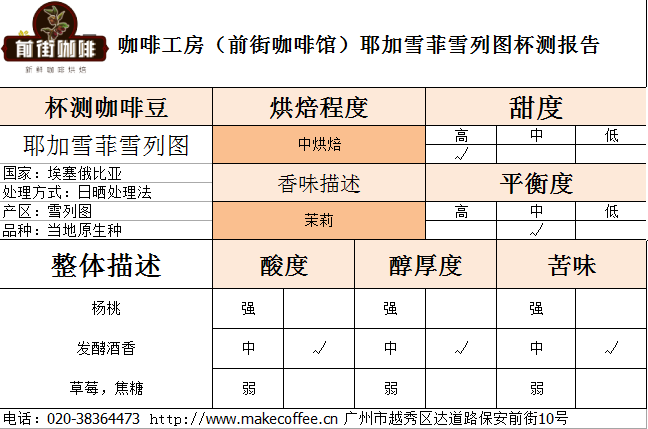
The cupping performance is highly layered: the dry aroma shows the sweet fragrance of dried strawberry and dried apricot, while the wet aroma transforms into honey-coated ripe berries. On the palate, bright citrus acidity is felt first, the middle develops complex fruit flavors of blueberry and blackcurrant, and the finish carries caramel sweetness and a creamy texture. Particularly noteworthy is its high sweetness of 12–18%, which is an excellent level among natural Yirgacheffes.
For brewing parameters, a V60 dripper with a medium grind (3.5–4 setting) is recommended; the specific recipe is: 15 g dose / 86°C water temperature / 1:15 coffee-to-water ratio. Key steps include a 30-second bloom with 27 g of water (a pouring height of 5 cm is suggested), followed by three-stage pouring—first stage to 105 g, then the second stage continuing to 193 g to complete extraction. This parameter setup effectively balances the sweet-to-sour ratio, highlighting the berry flavors while avoiding bitterness caused by over-extraction.

Actual tasting experience shows that this coffee's body reaches medium-full, with acidity expressed as lively citric acid interwoven with mild malic acid. Compared with common Yirgacheffes, its greatest feature is roughly a 30% increase in the intensity of fermented berry flavors while maintaining a clear citrus base. It is recommended to let the coffee rest for 2 minutes before drinking so the flavors fully unfold; the optimal flavor window is within 15 minutes after brewing.

For coffee lovers, this natural G1 from the Shereritu washing station is not only an excellent work for flavor exploration but also a typical sample for understanding the charm of Ethiopian heirloom varieties. By controlling brewing variables, you can experience the complete flavor spectrum from bright fruit acidity to rich sweetness—this diversity is precisely the charm of specialty coffee.


