Sumatra Gayo Takegon Abyssinia Coffee: Flavor Profile and Pour-Over Guide
Introduction: An in-depth look at the Abyssinia coffee beans from the Youjiu Estate on Mount Takegon, Sumatra, from the volcanic soil growing environment to the wet-hulling process, introducing this distinctive bean that combines floral and caramel flavors. This article details its high-altitude growing advantages at 1,500 meters and variety characteristics, and provides professional flavor descriptions and brewing suggestions to help you find your ideal coffee experience.
As an important global specialty coffee region, Indonesia's Sumatra is known for its distinctive regional flavors. Among the many production areas, Mount Takegon, with the volcanic soil around Lake Toba, produces singular coffee beans. The Abyssinia variety coffee grown here belongs to the same Sumatra family as the familiar Mandheling, yet due to varietal differences and meticulous processing it displays entirely different flavor layers.
The Abyssinia coffee beans of the Youjiu Estate on Mount Takegon are grown at an altitude of 1,500 meters, where fertile soil formed from volcanic ash provides the coffee trees with abundant minerals. The estate is run by a third-generation Indonesian-Chinese family that insists on fully manual harvesting of ripe cherries and ensures raw material quality through strict sorting. Notably, the Gayo region of Aceh Province, where the estate is located, has long been known for producing high-quality coffee with a clean flavor, and this Abyssinia variety opens up a new flavor dimension within a traditional production area.
In terms of varietal origin, Abyssinia is native to Ethiopia and was introduced to Indonesia in 1928 to strengthen resistance to leaf rust. Compared with mainstream Typica or Bourbon varieties, its cherries are denser, and combined with wet-hulling it retains more floral and fruity aromatic compounds. The estate uses the traditional wet-hulling process: part of the mucilage layer is removed for a short fermentation, then the parchment shell is hulled off before drying. This process both ensures the structural stability of the beans and gives them their distinctive full-bodied base.
In terms of flavor, this coffee presents a clear three-stage profile—the first sip brings fresh citrus and jasmine floral notes, the middle turns into the sweetness of ripe red apples and honey, and the finish reveals a warm caramel-like aftertaste. Professional cupping shows soft acidity (pH approximately 5.2-5.4), medium-to-full body, and an excellent balance of bitterness and sweetness, making it especially suitable for drinkers who enjoy complex flavors but not strong herbal notes.
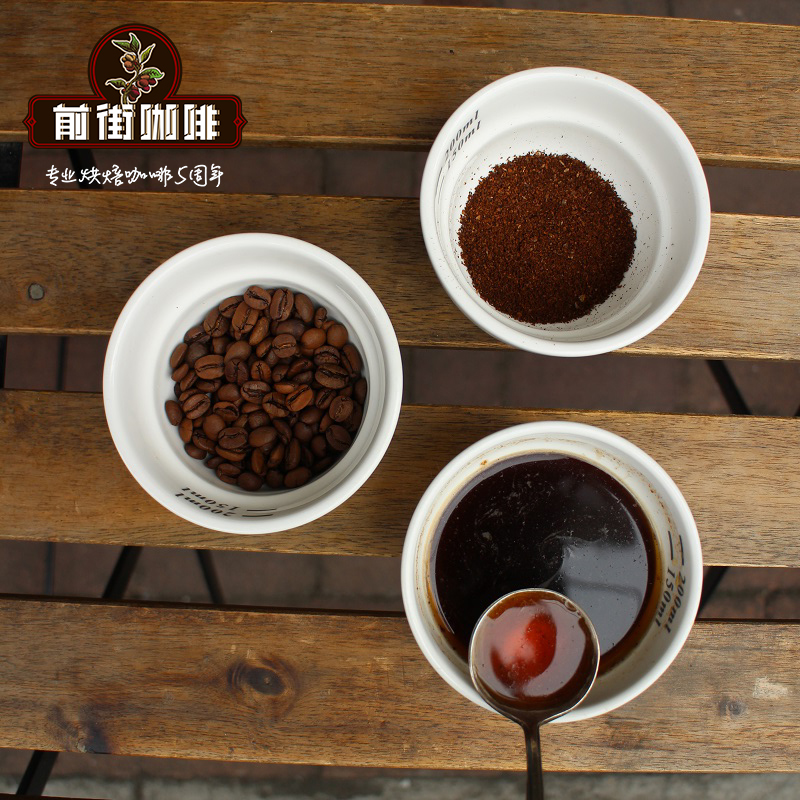
For home brewing, a medium-fine grind is recommended (70%-75% passing through a Chinese standard No. 20 sieve), with a water temperature of 92-94°C. For pour-over, a three-pour method can be used: first pour 30% of the total water for a 30-second bloom, then pour the remaining water in two stages (about 45 seconds apart), with a total extraction time of 2 minutes 10 seconds to 2 minutes 30 seconds. For espresso extraction, a dose-to-yield ratio of 1:2 to 1:2.5 is recommended, with a slightly finer grind than ordinary blend beans, which effectively highlights its caramel and nut base.
It is particularly important to note that, because the Abyssinia variety is denser, the resting period is best extended to 10-14 days. Freshly roasted bags should be stored in a cool, dark place, and after opening, a sealed canister with a one-way degassing valve is recommended. Compared with common Mandheling, this coffee's earthy notes are more delicate, with bright fruit notes brought to the fore instead, so it is not recommended to add too much sugar or milk and mask its original flavor characteristics.
In terms of market positioning, the Youjiu Estate achieves stable quality output through refined control—from organic management at the growing stage to batch-by-batch cupping and sorting after harvest, every step reflects a pursuit of flavor consistency. For coffee lovers in search of beans from distinctive production areas, this coffee, which blends the terroir of Mount Takegon with the characteristics of the Abyssinia variety, is undoubtedly an excellent choice for exploring the diversity of Sumatra coffee.


