Starbucks Reserve Rwanda Abakundakawa: Pour-Over Flavor and Brewing Guide
Introduction: This article takes an in-depth look at the Abakundakawa coffee beans from Rwanda in the Starbucks Reserve series, introducing their unique cooperative background, washed processing method, and flavor characteristics. Through tested brewing data, it shares techniques for bringing out the citrus, biscuit, and nougat flavors under a medium-dark roast, offering coffee enthusiasts professional pour-over parameters and tasting references.
Among the new offerings about to launch at Starbucks Reserve stores in China, one coffee bean from Rwanda—Abakundakawa—is particularly special: it has not yet appeared on the Roastery shelves, yet it has already reached consumers in advance through official channels. This batch of 250-gram packages was roasted on March 30 of this year, just as the domestic epidemic was stabilizing. Its bright yellow bean card features the classic image of a coffee farmer holding berries, conveying the rustic charm of the African growing region.
Abakundakawa means "we love coffee" in Kinyarwanda. Unlike other beans named directly after a washing station, it represents a cooperative located 30 kilometers northwest of the capital, Kigali. The cooperative covers Musasa village and the Rushashi washing station; farmers insist on organic cultivation, use a 48-hour extended fermentation process (standard washed methods use only 24 hours), and ensure quality through raised-bed drying and hand sorting. Notably, the cooperative was selected for the Rwanda Cup of Excellence three years running from 2010 to 2012, and took third place in 2010.
This Red Bourbon, grown at 1,500–2,000 meters, shows a marked change this year: under a medium-dark roast it displays medium acidity and body, rounder than the high-acid style of previous years. In tested pour-over brewing, water at 92–94°C is recommended; with a V60 dripper at a 1:15 coffee-to-water ratio, citrus-like acidity and a base flavor of whole-wheat biscuit can be clearly perceived. If the extraction time is extended to 2 minutes 30 seconds, caramel sweetness emerges in the finish—though it takes careful attention to detect the faint nougat aftertaste.
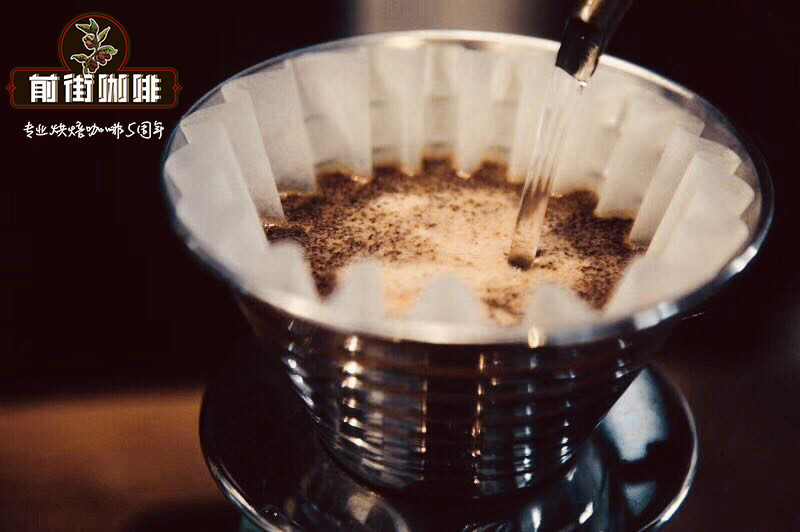
Advanced brewers can try the three-pour method: first, bloom with 30 grams of 88°C water poured at the center for 30 seconds; then pour in a spiral to bring the level up to 125 grams from 95 grams; finally, use a thin stream to fill to a total of 225 grams. This method enhances the brightness of the citrus acidity while highlighting nutty undertones. If using a Kalita Wave flat-bottom dripper instead, raising the water temperature to 95°C and extending the bloom to 45 seconds is recommended, which enhances the fullness of the biscuit flavor.
Milk brewing tests show that after adding 150 ml of whole milk, the coffee takes on the sweet aroma of a "cookie"—a typical expression of medium-dark-roasted Red Bourbon combined with milk fat. Take care to avoid high-temperature steam (no higher than 60°C is recommended) so as not to damage the delicate layers of sweetness.
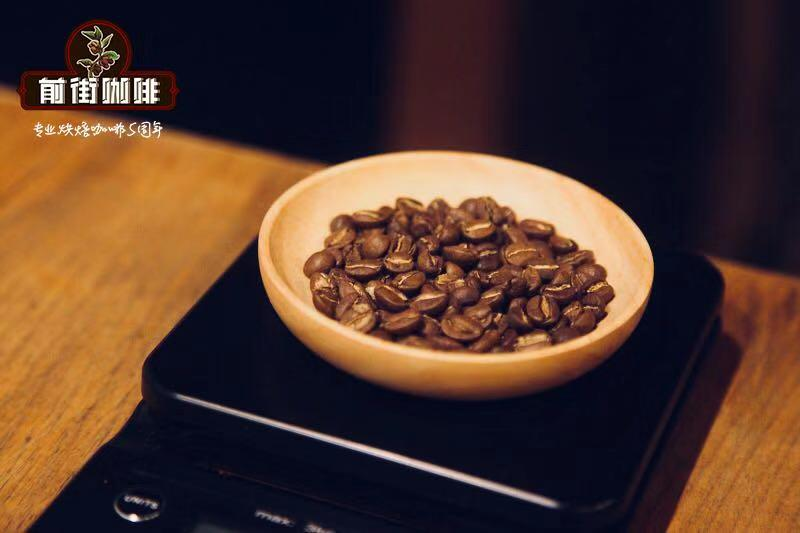
For consumers trying Rwandan beans for the first time, a medium-fine grind is recommended (about 75% passing a Chinese standard No. 20 sieve). If using a French press, adjust to a coarse grind and extend extraction to 4 minutes, when the nougat flavor is easier to perceive. For storage, keep the beans sealed and away from light, and finish them within 21 days of roasting for the best flavor.


