SOE Espresso Extraction Guide: Light to Medium Roast Traits and Parameter Tips
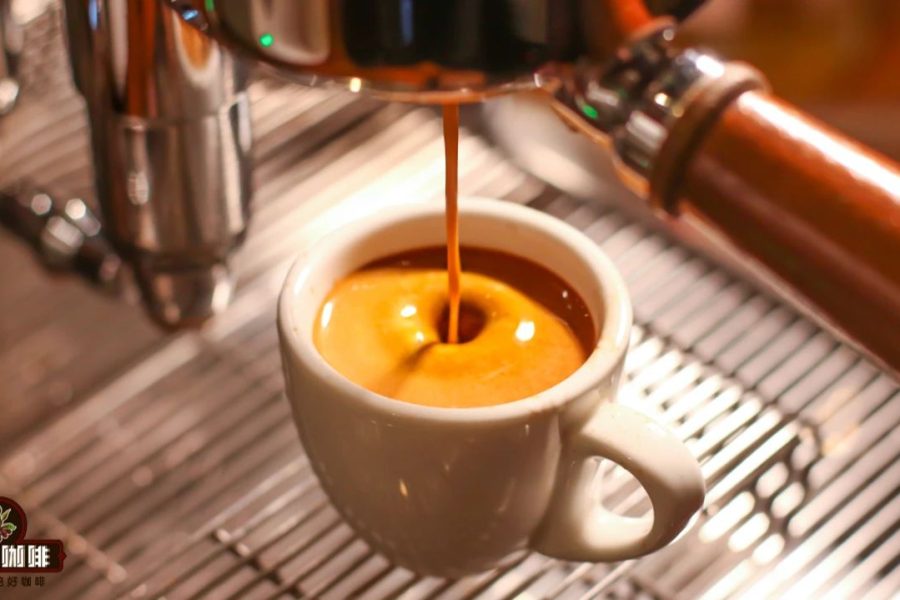
Introduction: Want to extract a balanced cup of SOE single-origin espresso? This article explains in detail the flavor characteristics of light-roast and medium-roast SOE beans, offering practical solutions from extraction principles to parameter adjustment. For problems beginners often encounter, such as sharp sourness, off-flavors, and thinness, it gives targeted solutions and retains key parameter references to help you find a suitable extraction method.
Coffee enthusiasts often ask: how should SOE (single-origin espresso) be extracted to taste good? Directly applying the extraction recipe for regular espresso beans often makes it hard to present the ideal flavor. In fact, no matter what kind of coffee beans, the core goal is to highlight good flavors and avoid negative tastes.
Why does light-roast SOE easily seem sharply sour? It was once widely believed that light-roast beans are not suitable for making espresso, because their acidity is more obvious than that of dark roasts. In addition, most cafés still use traditional dark-roast extraction parameters to handle SOE, resulting in prominent sourness and astringency. Note: pour-over coffee has long distinguished light/dark roast parameters, and the espresso field also needs corresponding adjustments.

Beginners are advised to start with medium-roast fruity SOE: if you prefer fresh sweet-and-sour flavors, try natural-process beans from African regions; if you like tropical fruit notes, choose specific varieties from Central and South American regions. SOE from different regions presents unique flavor layers, which is an important basis for choosing beans.

Clarifying the purpose of extraction is crucial: for drinking straight, a soft mouthfeel is needed, so it is recommended to adjust extraction parameters to reduce pungency; when used to make Americano, flavor complexity needs to be enhanced; for milk coffee, the concentration and body of the espresso need to be increased. Differences in use directly affect the settings of grind size and extraction time.

It is recommended to first use the basic extraction formula: a dose-to-yield ratio of 1:2, with extraction time controlled at 25-30 seconds. At this stage, the main goal is to determine a suitable grind size, then fine-tune later. Special note: when switching to light-roast SOE, the grind setting usually needs to be finer than for commonly used dark-roast beans (for example, a common dark-roast grind setting of 2.1 may need to be adjusted to 1.6 for light roast). Also, because light-roast beans have lower density, the same weight of grounds has a smaller volume, so the dose needs to be adjusted according to the portafilter basket capacity.

Adjustment plans for common problems:
1. Sharp sourness with a short finish: mostly caused by underextraction. Observe the initial flow rate—if the first drop falls at 4-5 seconds, the grind can be slightly finer; if it falls at 7-8 seconds, no adjustment is needed. Usually, increasing the yield by 10-15 grams (for example, if 30 grams is extracted in 30 seconds, extend it to 35-40 grams) balances the acidity. This method lowers concentration but improves sweetness, suitable for drinking straight or Americano. When making milk coffee, it is more advisable to compensate the extraction rate by making the grind finer.

2. Off-flavors such as grassy or burnt-bitter notes appear: use the segmented testing method—divide the 40-gram target extraction into first/middle/last three segments (about 13 grams each) and taste them separately. If off-flavors appear only in the last segment, simply reduce the total yield; if there are problems in the first segment or throughout, the grind size needs to be readjusted.

3. The coffee liquid tastes thin: in most cases this comes from a mismatched grind size. Note: espresso grinding is not a fixed value; SOE from different regions/roast levels may require differentiated settings. If the flavor feels weak, first check whether the grind setting is too coarse, and fine-tune it if necessary.

Additional tip: light-roast SOE is fundamentally different in intensity from medium-dark roast beans and should not be compared directly. Through reasonable parameter adjustment, light-roast beans can also present bright acidity and rich layering; the key is to master the synergistic relationship among dose-to-yield ratio, grind size, and extraction time.