Guatemala Huehuetenango Coffee Bean Flavor Analysis and Pour-Over Parameter Guide
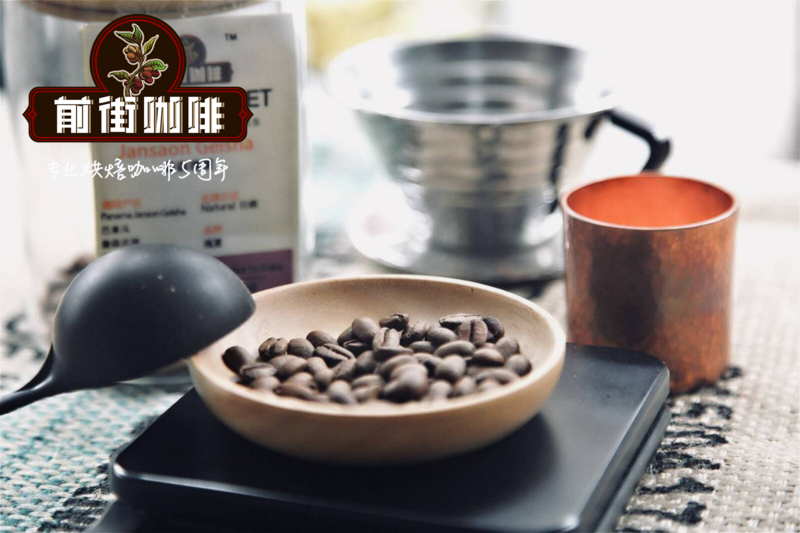
Introduction: An in-depth look at the distinctive flavor characteristics of coffee beans from Guatemala's Huehuetenango region, from the growing environment to the processing method. This article provides a professional pour-over recipe for washed beans, including precise coffee-to-water ratio, water temperature control, and grind size recommendations, along with a detailed description of the flavor layers, helping you precisely capture this Central American high-altitude coffee's bright acidity and nutty finish.
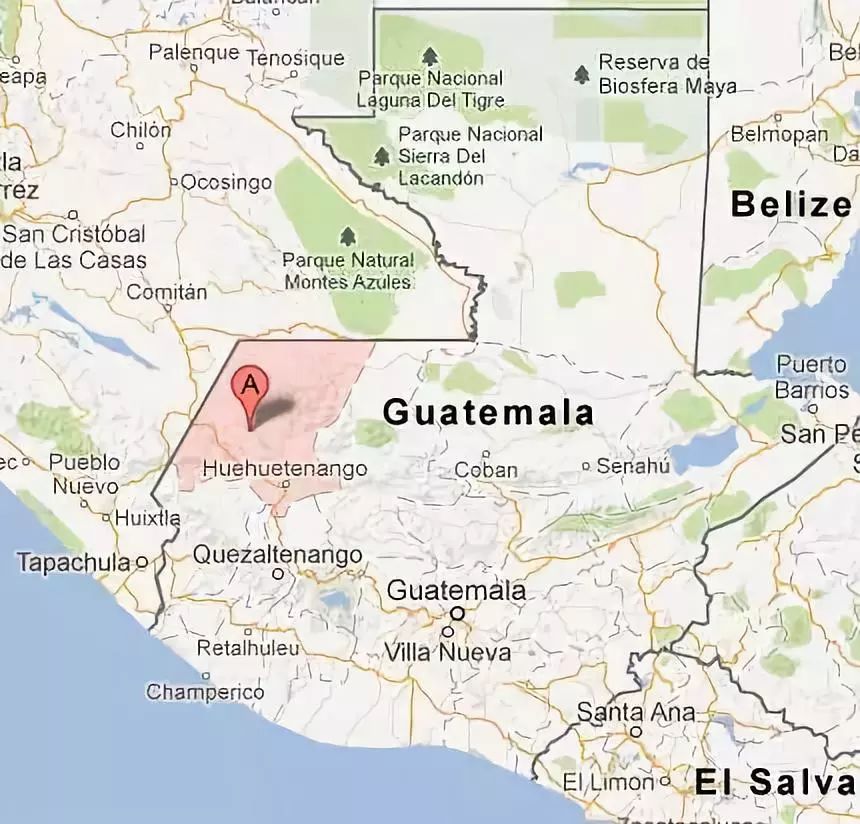
Huehuetenango is a highly distinctive coffee region in northern Guatemala; its name means "place of the ancestors" in Nahuatl. The area has a rare non-volcanic mountain terrain for Central America, with growing elevations generally reaching 1500-2000 meters; the sugar accumulation formed by the day-night temperature difference creates a vivid flavor personality. The coffee beans produced here are known for high acidity and low body, with a unique citrus character, and are a typical representative for exploring Central American specialty beans.
The most notable feature of this region's coffee is its lively fruit acidity—on the first sip you catch a clear grapefruit tartness, accompanied by bright red-berry acidity, with the middle gradually revealing a soft, tea-like transition. Compared with other Guatemalan regions, Huehuetenango beans have more prominent citrus notes, often with a fresh lemon-peel aroma, though the floral dimension is relatively restrained. This "acidity-dominant" flavor structure is especially suited to coffee lovers who prefer a crisp, refreshing cup.
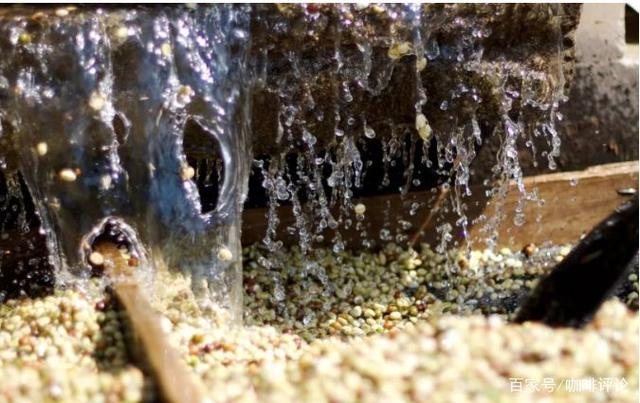
The traditional washed process is applied with great precision in this region: after harvesting, the coffee cherries undergo a 24-hour in-pulp soak, with ripe fruit selected by density differences. The depulped beans retain mucilage, which must be broken down during an 18-36 hour fermentation (care must be taken to avoid off-flavors from over-fermentation). Local farmers mostly use running fresh water for washing to ensure surface residue is thoroughly removed. For the drying stage, natural sun-drying is preferred (taking 1-3 weeks), which allows the beans to dehydrate slowly and form a more complex sweet base. Note in particular that although mechanical drying shortens the work time, it significantly weakens the flavor layers.
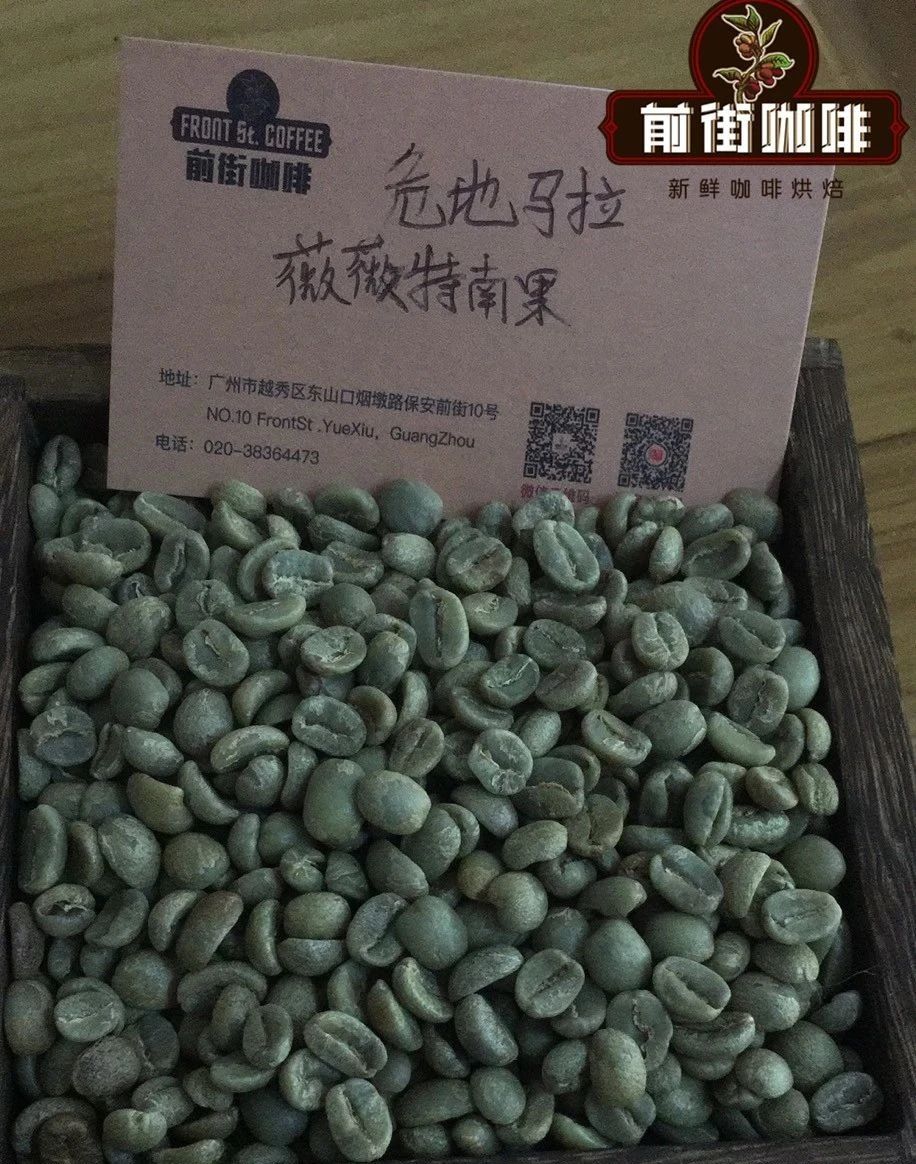
The main varieties grown in this region are a mixed combination of Bourbon, Caturra, and Catuaí. Among them, the Bourbon variety contributes the base nutty notes and sweet framework, the dwarf Caturra variety enhances stress resistance while maintaining bright acidity, and Catuaí brings higher fruit concentration. This variety mix gives the final beans an outstanding sweet-acid balance, especially suited to brewing recipes that pursue fruit acidity together with caramel sweetness.
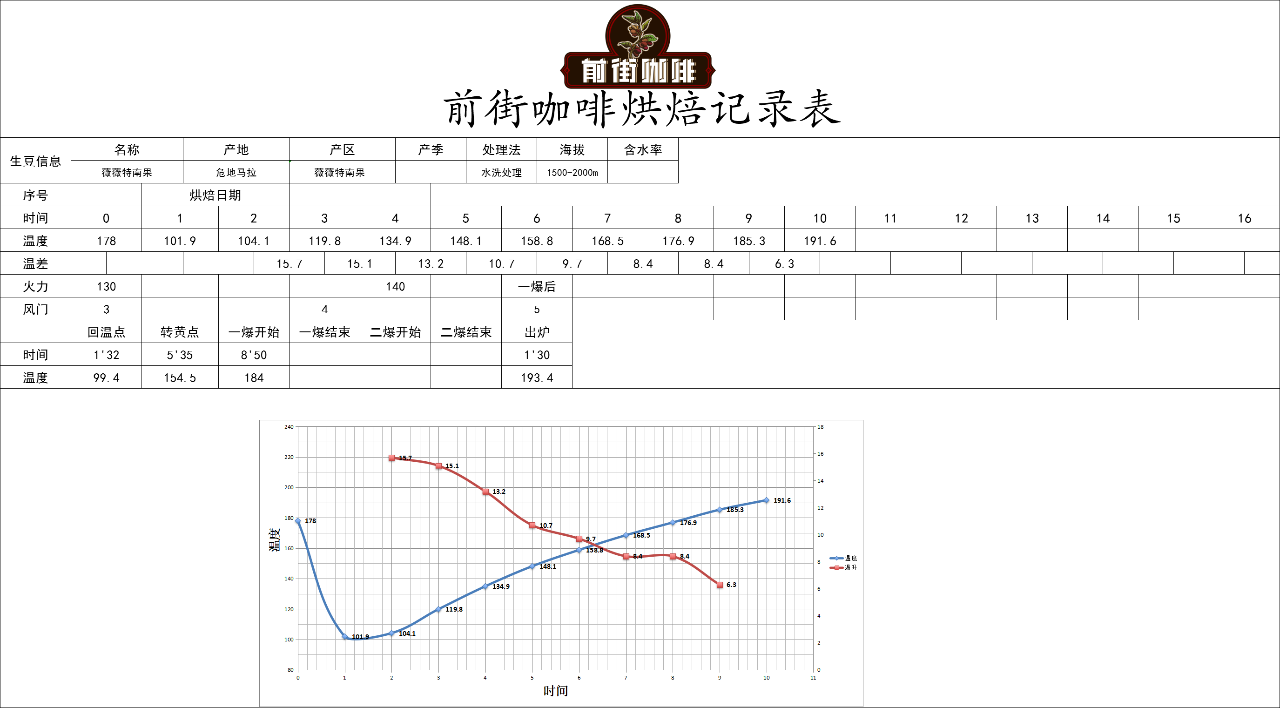
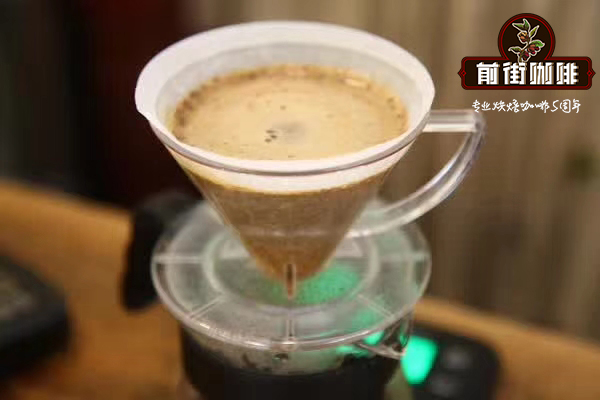
For professional pour-over, a V60 dripper is recommended for the best extraction: use 15 grams of coffee grounds with a 1:15 coffee-to-water ratio (225 ml total water). Set the grind to the size of granulated sugar (about 70-75% passing a No. 20 sieve), and control the water temperature in the 90-91°C range. The process is divided into three stages: first pour 30 ml of hot water for a 30-second bloom to activate the coffee grounds; then pour from the center to 125 ml and pause, continuing to pour to 225 ml once the water has drained through; finally remove the dripper when the coffee bed is exposed, keeping the total extraction time strictly at exactly 2 minutes. These parameters effectively highlight the bean's citrus acidity while avoiding the bitterness caused by over-extraction.
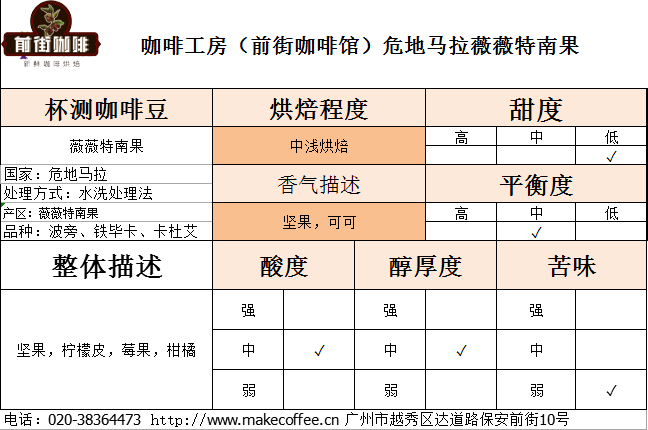
The flavor wheel shows clear layers: the first note is dominated by citrus acidity (a compound aroma resembling blood orange and lime), the mid-section presents the nutty notes of roasted almond and hazelnut, and the finish turns into a full-bodied black-tea aftertaste with a slight sweetness. Note that different roast levels significantly affect the flavor—a medium roast (Agtron 65-70) is recommended to preserve the bright acidity; a dark roast enhances body but may mask the regional character.