Costa Rica Tarrazú Geisha Washed: Terroir and Processing at La Candelilla
Introduction: A close look at a micro-lot Geisha specialty coffee from Costa Rica's Tarrazú region—a washed bean from La Candelilla. This article details the growing environment at 1,750 meters, the family farm's micromill techniques, and how washed processing shapes its distinctive fresh balance of sweetness and acidity. It includes a professional cupping report and pour-over parameters to help you precisely capture the layers of berry-tea character and caramel finish.
As the first country in Central America to cultivate coffee on a large scale, Costa Rica consistently produces specialty coffee that combines complexity and cleanliness, thanks to its stable volcanic soils and high-altitude microclimates. In the heart of Tarrazú—this "golden coffee belt"—La Candelilla showcases a washed Geisha with a regional character distinct from the same variety in Panama: the altitude gradient and diurnal temperature range here give the coffee cherries a slower sugar accumulation process.
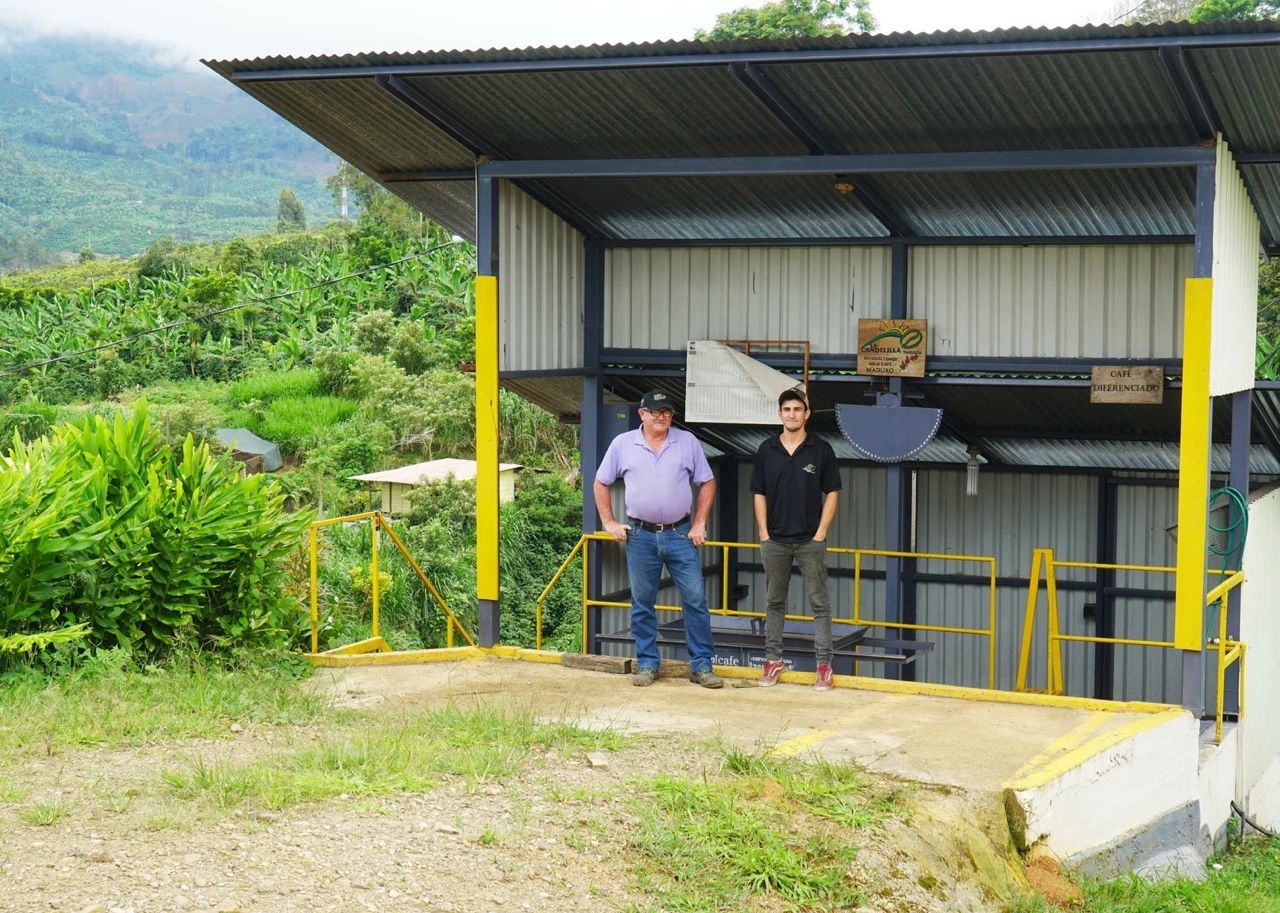
Founded in 2000, La Candelilla is among the first specialty producers in Costa Rica to adopt the micromill model. Family operators Rafael and Lucia Sanchez shifted from sending their coffee to a cooperative to processing it themselves, and through precise control of fermentation duration and drying curves, they successfully translated the farm's characteristic humid morning-mist climate into a delicate floral base in the cup. Although their honey processing is not used for this washed Geisha, other lots from the same farm have used it to retain pectin sugars, creating a signature sweetness structure.
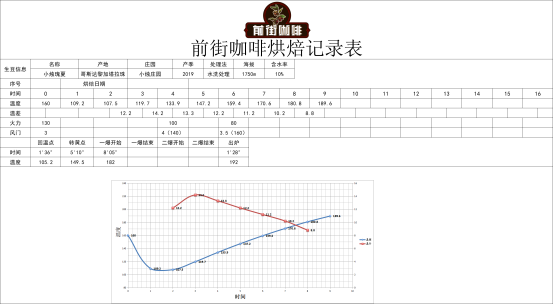
This washed Geisha is grown at 1,750 meters in the San Marcos de Tarrazú area, near the village of La Sabana. Compared with the bright citrus profile of Panama's Hacienda Esmeralda, Tarrazú Geisha, grown in local mineral-rich volcanic red soil, shows a more restrained almond and plum undertone. The mill uses a traditional washed process: after flotation to remove defective beans, the pulp undergoes gentle enzymatic fermentation for 18–24 hours, followed by 21 days of slow sun-drying on African beds, with final moisture content strictly controlled at 11% ± 0.5%.

Cupping data shows this lot has a bean density as high as 0.78 g/cm³, and grinding releases a clear lemongrass and green tea aroma. The flavor arc centers on a clear citrus acidity, transitioning in the mid-palate to a sweet, juicy red-berry mouthfeel, with a warm finish of dark chocolate and caramel. Professional judges specifically noted its "excellent balance of juiciness and body," with bright but not sharp acidity, suiting black-coffee lovers who prefer an elegant style.
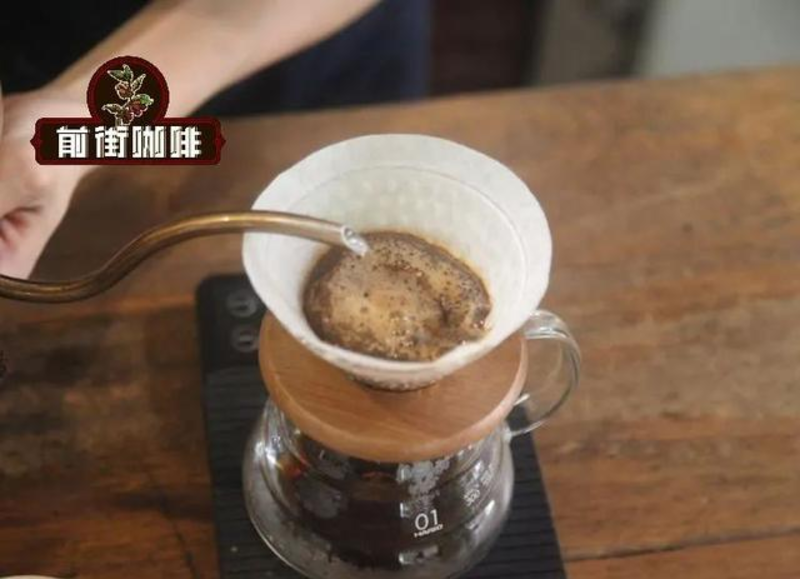
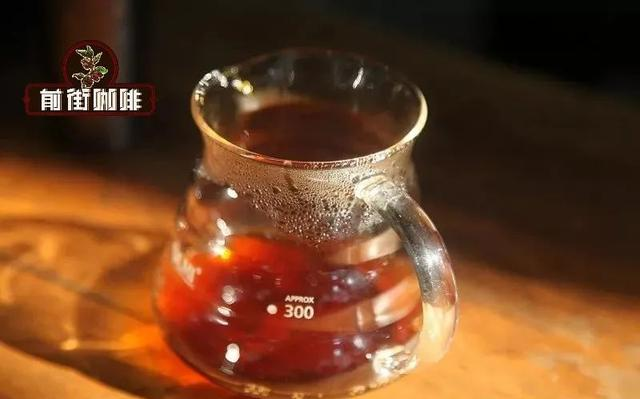
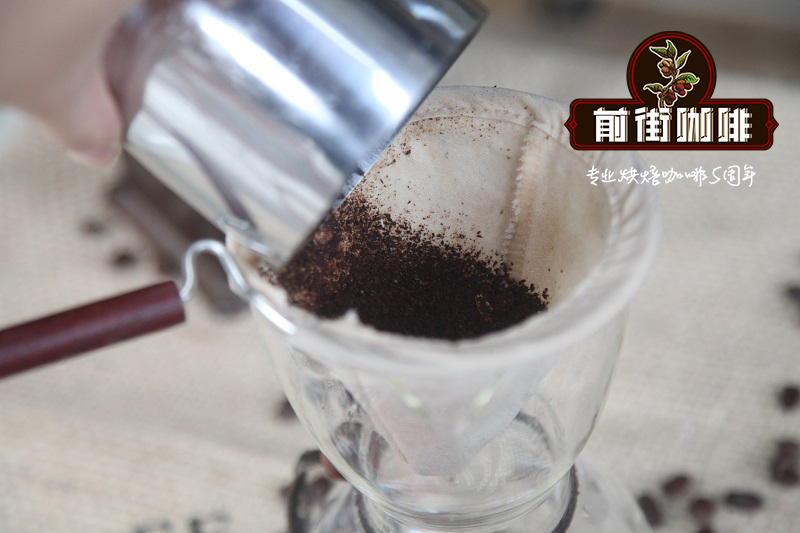
For pour-over extraction, a V60 dripper with a medium-fine grind is recommended (80% passing a Chinese standard No. 20 sieve). Key parameters: water temperature 90°C, coffee-to-water ratio 1:15, three-pour method—bloom with 30 g of water for 30 seconds to activate the aroma, then pour in circles to 125 g in stages, and when the water level drops to the edge of the coffee bed, continue pouring to 225 g to complete extraction. This method effectively highlights the floral layers typical of the Geisha variety while avoiding the sharp acidity caused by over-extraction.
From growing to the cup, every step at La Candelilla proves that good coffee depends not only on varietal genetics but also on respect for terroir and control of processing details. When you taste this washed Geisha under the highland sun at 1,750 meters, you may understand more deeply: the appeal of specialty coffee always grows where land and craftsmanship meet.