Pour-Over Coffee Sweetness Extraction Guide: Parameters and Techniques to Elevate Flavor Layers
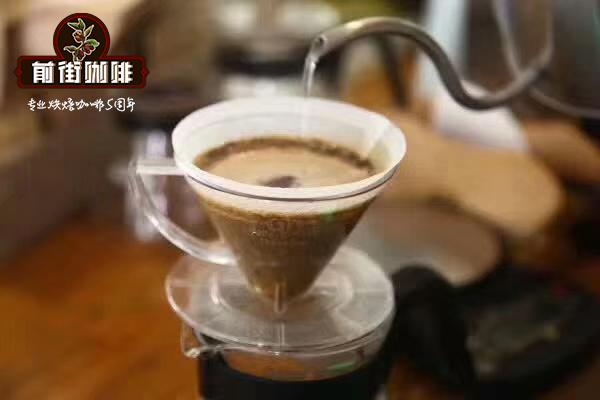
Introduction: Many coffee lovers are puzzled about how to bring out coffee's own sweetness through pour-over. This article explains the full process control from green bean characteristics to brewing parameters, reveals the connection between high-altitude varieties, light roasting, and precise extraction, and provides specific adjustment plans for water temperature, grind size, and agitation technique, helping you steadily present a flavor balance of berry notes and a brown sugar finish at a 1:15 coffee-to-water ratio.
Coffee's sweetness is often misunderstood as the cloying sweetness of added sugar; in fact, high-quality coffee itself contains natural sugars. These sugar substances mainly come from the approximately 6%-9% sucrose content at the green bean stage, which is transformed through the Maillard reaction and caramelization during roasting, ultimately forming a complex sweetness expression. Understanding this transformation mechanism is the key first step to unlocking the sweetness of pour-over coffee.
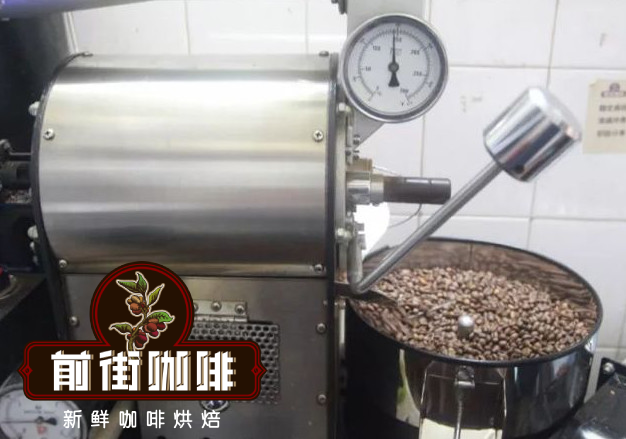 In terms of green bean selection, **coffee beans grown at altitudes above 1,200 meters** accumulate richer sugars through photosynthesis due to the large temperature difference between day and night. Experimental data show that the sucrose retention rate of these beans is 15%-20% higher than that of low-altitude beans. The roasting stage requires strict control of duration; **a total roasting time of 7-8 minutes is recommended** within the light roast range, which not only preserves the sweetness synergy of organic acids such as malic acid but also avoids excessive charring of sugars caused by high temperatures.
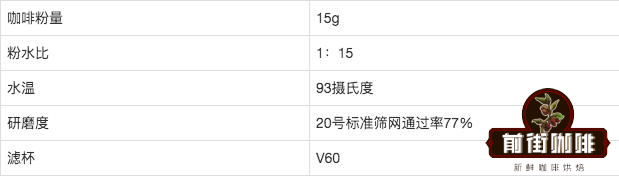
The four core parameters in the extraction stage directly affect the efficiency of sweetness release: first, set the water temperature in the 92-96°C range; actual measurements show the sucrose dissolution rate is best at 94°C; use a center-outward radial pouring technique, combined with flow rate control by raising the kettle spout to 15 cm, accelerating sugar dissolution through the shear force of the water stream—this is consistent with the principle of stirring accelerating sugar dissolution observed in laboratories.
For grind size, medium-fine grinding (70%-75% passing rate through China Standard No. 20 sieve) is recommended; with a 1:15 coffee-to-water ratio, **the total extraction time should preferably be maintained at 1 minute 45 seconds to 2 minutes 5 seconds**. In practice, first bloom with 30 grams of water for 30 seconds to activate the flavors, then pour in stages, pausing when reaching 150 grams, wait until the liquid level drops to the middle of the coffee bed before continuing to a total of 225 grams, and in the final stage use a small circular agitation to improve the extraction rate of sweetness substances from the bottom coffee bed.
Pay special attention to three common misconceptions: excessively prolonging roasting time will cause sugar substances to carbonize; if light-roasted beans are roasted for more than 9 minutes, more than 40% of sweetness precursors will be lost; when the water temperature is below 90°C, sucrose precipitation decreases by 25%, easily producing a sharp acidity; grinding too coarse (such as a passing rate below 65%) will cause insufficient extraction of sweetness substances. It is recommended to verify parameter reasonableness by testing the extraction rate range of 1.15%-1.35% with a TDS concentration meter.
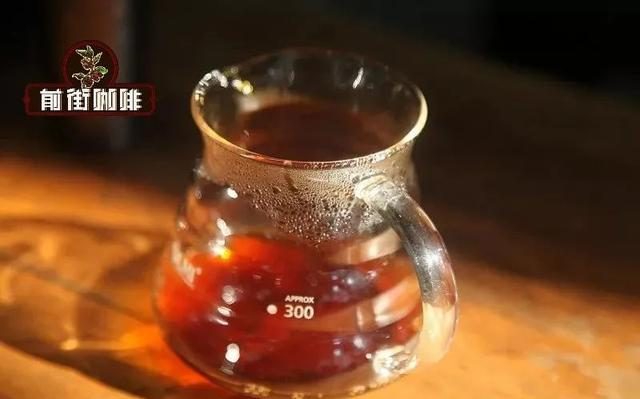
 In the final flavor structure, high-quality sweetness should manifest as a clear brown sugar texture in the mid-palate and a lingering caramel aftertaste in the finish, working together with berry aromas to form three-dimensional layers. When sweetness and acidity reach the golden ratio of 1:1.2 (such as the compound effect of citric acid and malic acid), it can effectively neutralize bitterness and enhance overall pleasantness—this is precisely the core meaning of the "bright sweetness" pursued in specialty coffee.
 In actual brewing, you can refer to the basic parameter template: 15 grams of coffee grounds to 225 milliliters of water; after the initial bloom with 30 grams of water, pour to 150 grams within 45 seconds, then continue pouring the remaining water over 30 seconds, maintaining water flow stability throughout. By systematically adjusting the above variables, even beginners can gradually master the extraction art of presenting coffee's true sweetness.


