What Are the White Flecks in Ground Coffee? Testing Silver Skin's Effect on Flavor
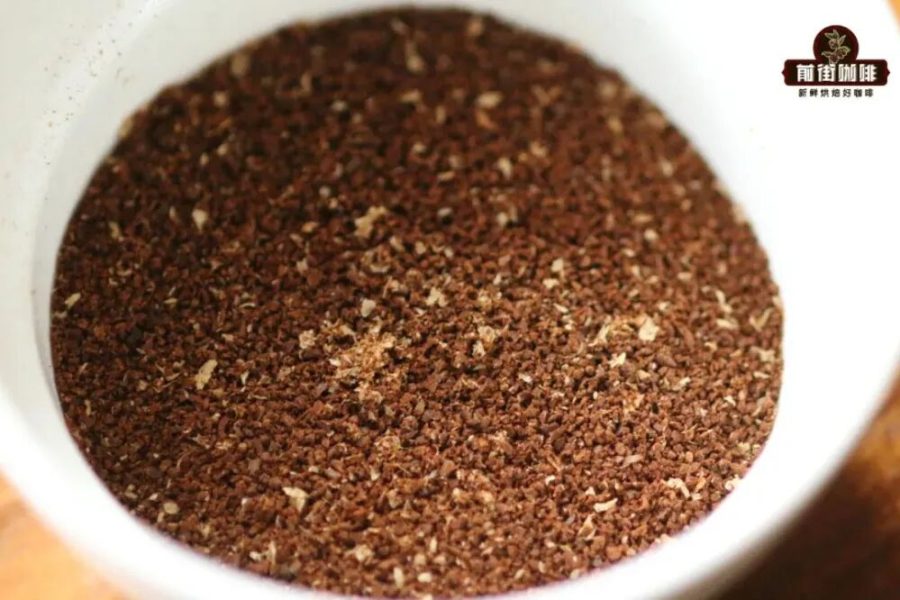
Introduction: Do you always see yellowish-white flecks drifting out when you grind coffee beans? These bits, often mistaken for impurities, are actually the 'silver skin'—the natural protective layer of green coffee beans. This article takes a deep look at how silver skin forms, how it relates to processing methods and roast levels, and reveals its real impact on coffee flavor through side-by-side tests, plus practical cleaning tips to help you improve your pour-over experience.
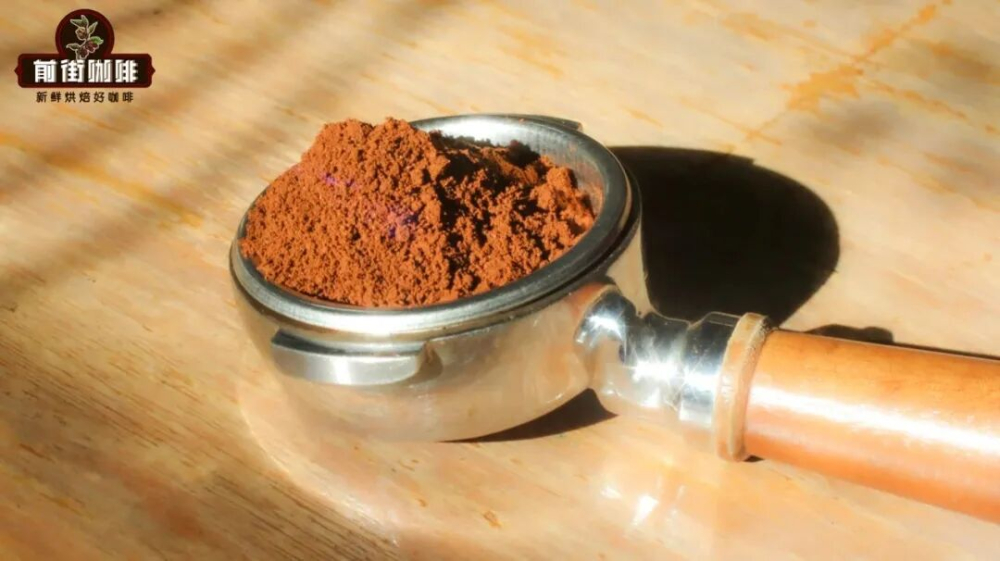
When you grind coffee beans, do you notice tiny yellowish-white flecks mixed into the grounds? Many coffee lovers worry these 'fragments' will affect flavor and even consider picking them out by hand. In fact, these flecks are the outermost natural tissue of the green coffee bean—silver skin (also called chaff). Like the red skin on a peanut, it gradually separates from the bean during roasting.
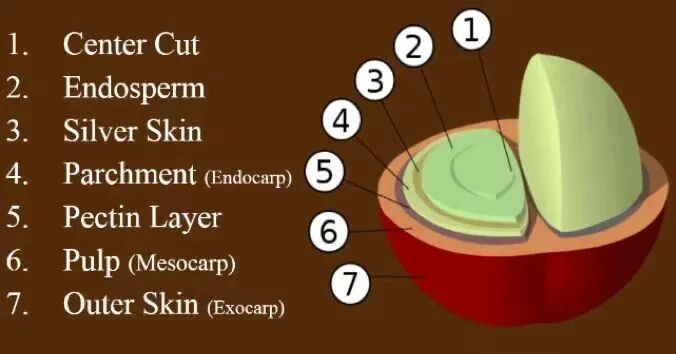
To understand where silver skin comes from, you first need to know the structure of the coffee fruit: from outside in, it consists of the skin, pulp, pectin, the parchment-wrapped bean, the parchment layer, and the innermost seed (the coffee bean we consume). The silver skin sits between the parchment and the seed—a thin, silver, membrane-like layer only about 0.1 mm thick that clings tightly to the bean at the green stage and only loosens and falls away at high roasting temperatures (around 140–160°C).
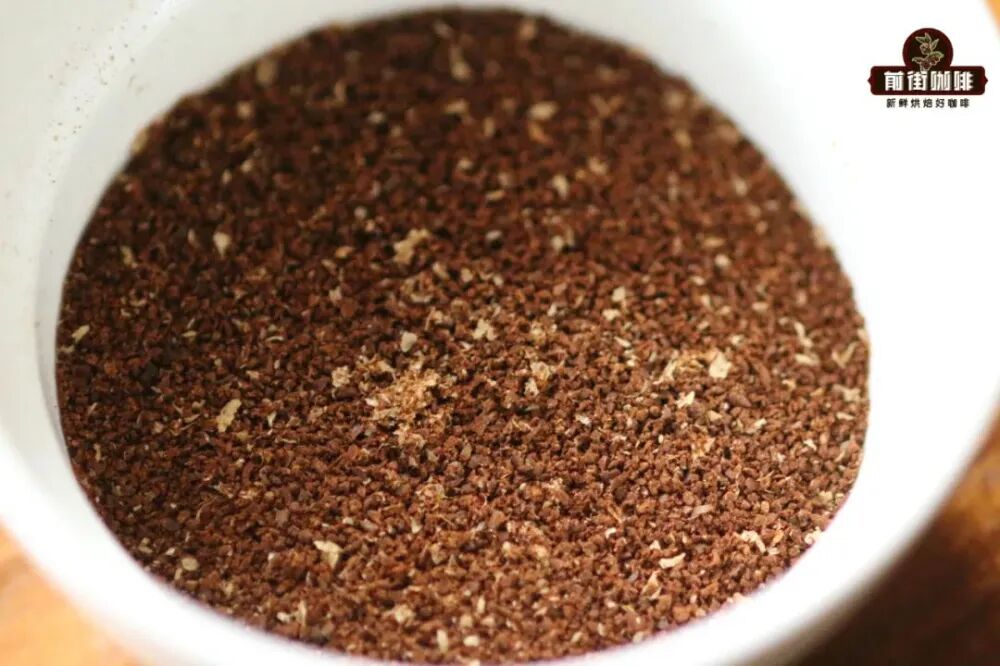
Different processing methods significantly affect how much silver skin remains. Natural (sun-dried) processed beans are exposed to sunlight the whole time, so the silver skin stays intact during the green stage and usually comes off in whole sheets during roasting, leaving less residue in the end. With washed processed beans, the silver skin is already discontinuous to begin with, and the silver skin in the crevice along the bean's center line is especially prone to breaking up; after roasting it often remains as fragments, forming the 'white line' visible when grinding. By observing the amount of silver skin fragments on the surface of roasted beans, you can make a rough guess at the processing method.
Roast level also governs how efficiently silver skin comes off. Light roasts (such as City roast) have a short development time, so the silver skin isn't fully separated and the fragments are more obvious after grinding. Dark roasts (such as French press roast) expand the bean fully, so the silver skin has largely come off by the time of second crack, and most of it is carried by hot air into the dust collection bin, leaving almost no residue on the finished beans. This is why espresso blends (usually dark roasted) rarely show silver skin, while single-origin pour-over beans (mostly light to medium roasts) are more likely to have flecks.
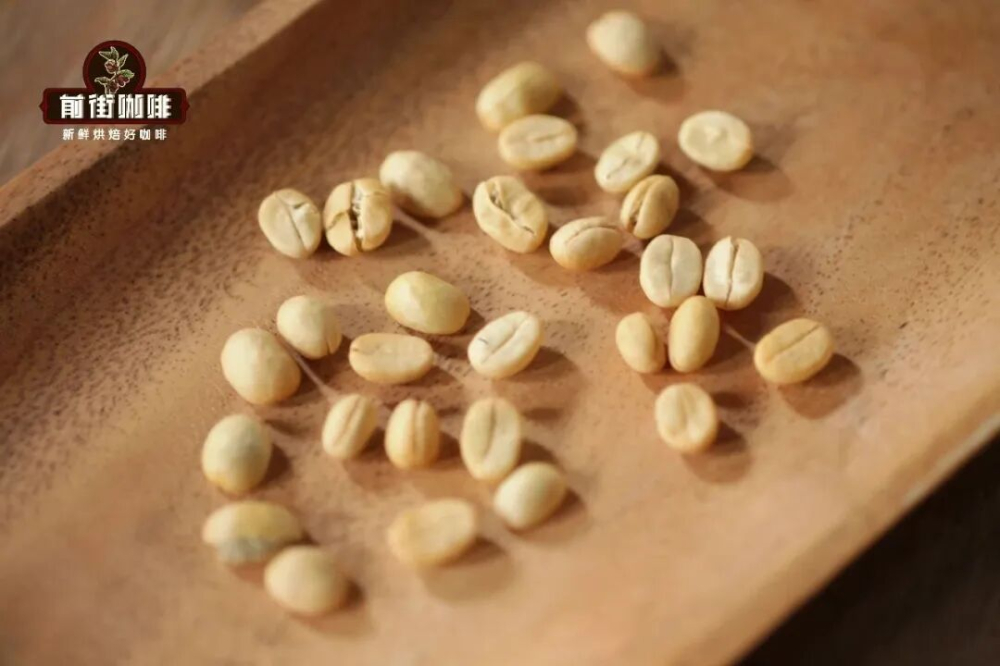
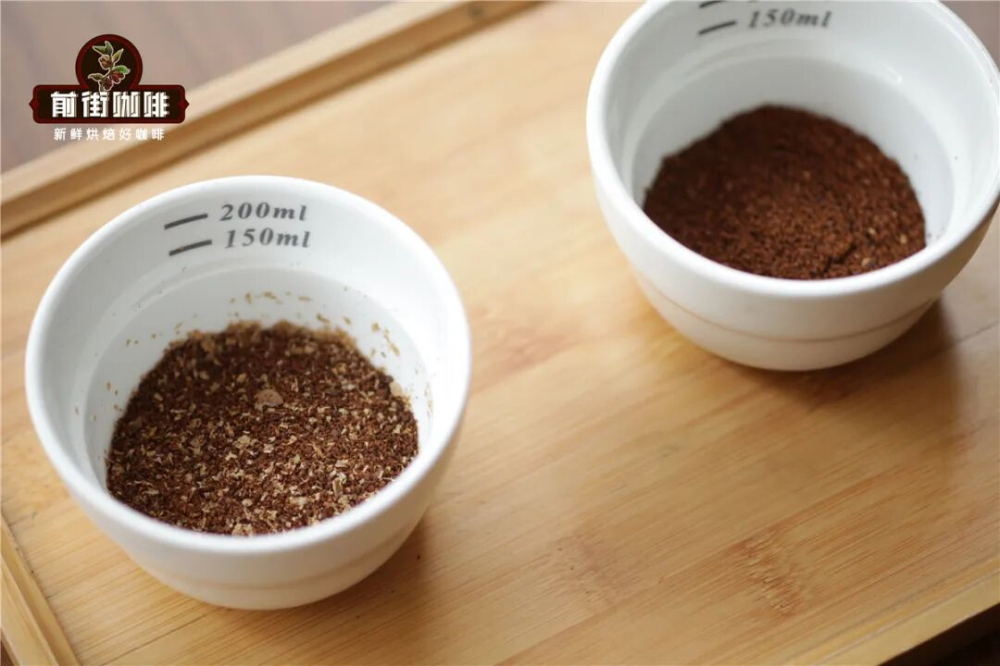
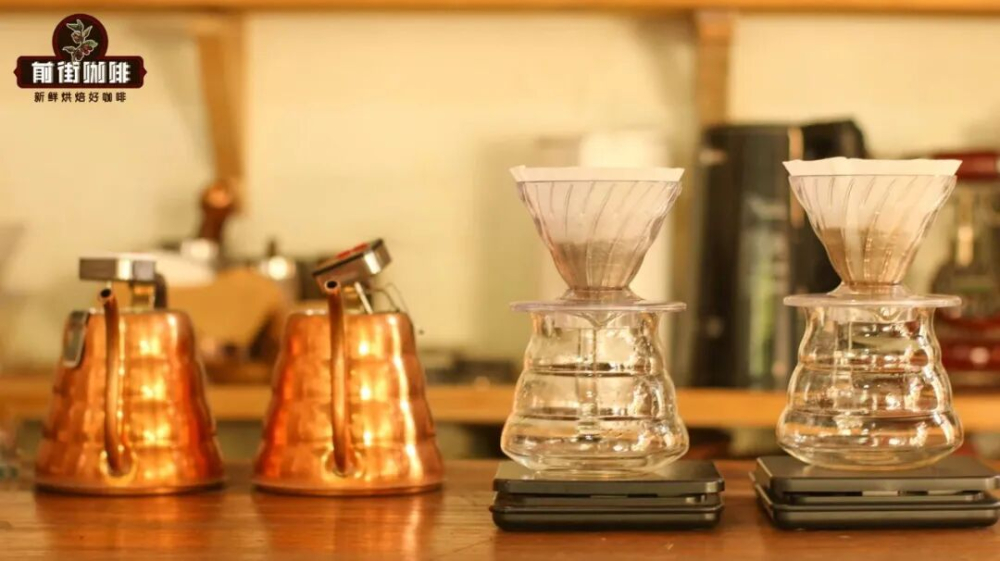
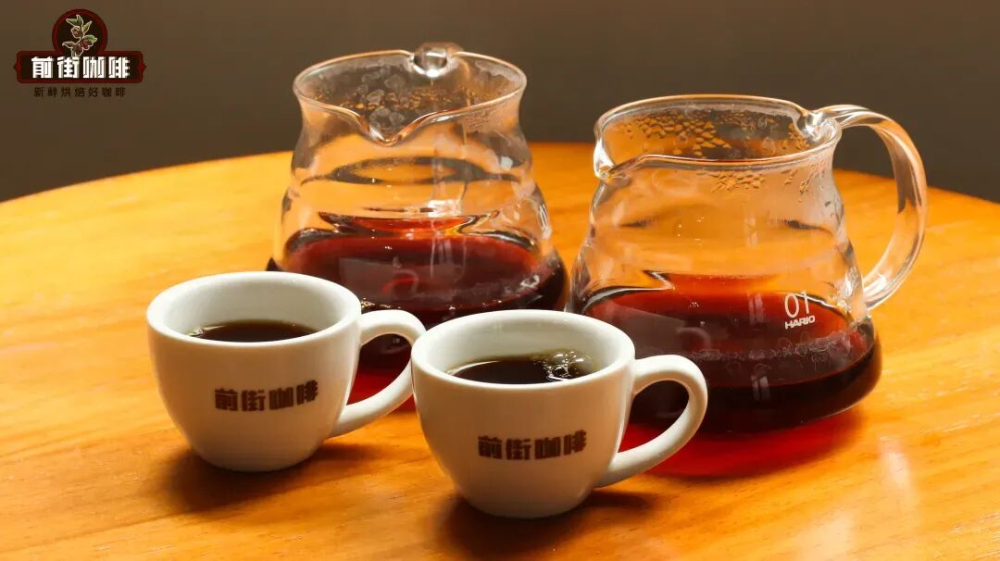
To verify silver skin's effect on flavor, we ran two controlled experiments: Experiment 1 (cupping) used a light-to-medium roasted washed bean; one batch was ground normally, and the other had the obvious silver skin picked out, then both were cupped. Experiment 2 (pour-over) used identical parameters (15 g coffee, 80% passing a No. 20 sieve, 1:15 coffee-to-water ratio, 91°C water, three-pour method) to compare brews with and without the silver skin removed. Cupping showed that the group with silver skin developed a slight ginkgo-like note after a prolonged steep, with a slightly rough, tea-like mouthfeel, but the early berry acidity and smoked plum flavors matched the control group. In the pour-over experiment, although the bed with silver skin left in had lots of floating fragments, the flavor profile was almost identical to the removed group, and the mouthfeel did not change as it cooled.
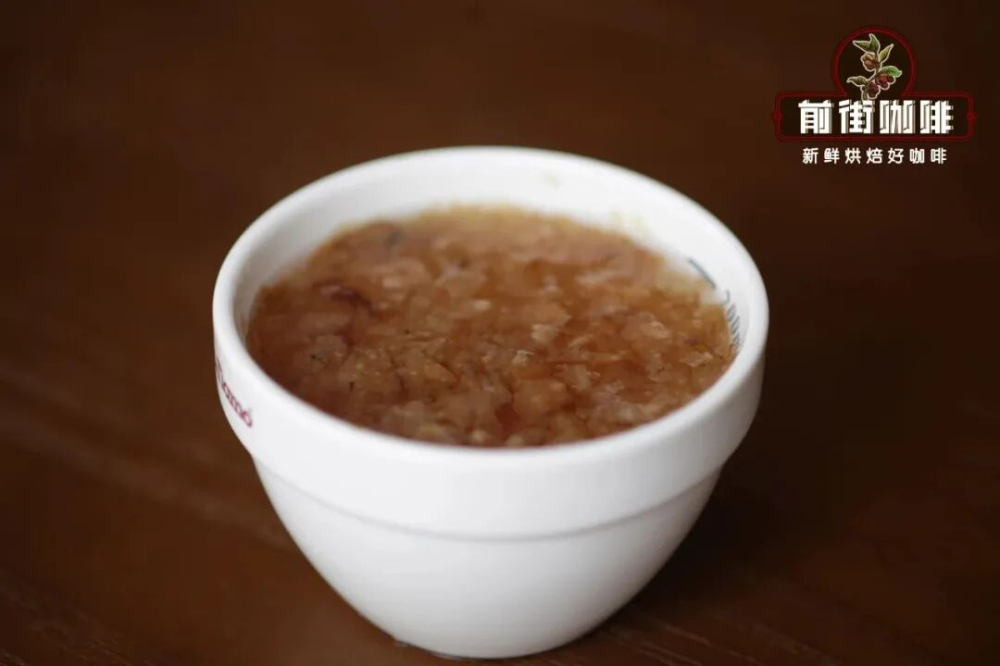
When we tested the silver skin on its own, steeping it in hot water released a fresh aroma of sweet corn silk and wheat; the liquor was pale yellow and clear, with sugarcane sweetness and a light tea taste on the palate, and no bitterness or other negative flavors. This shows that a small amount of silver skin is harmless in itself, and only excessive residue (such as a long steep) might affect the layers of mouthfeel.
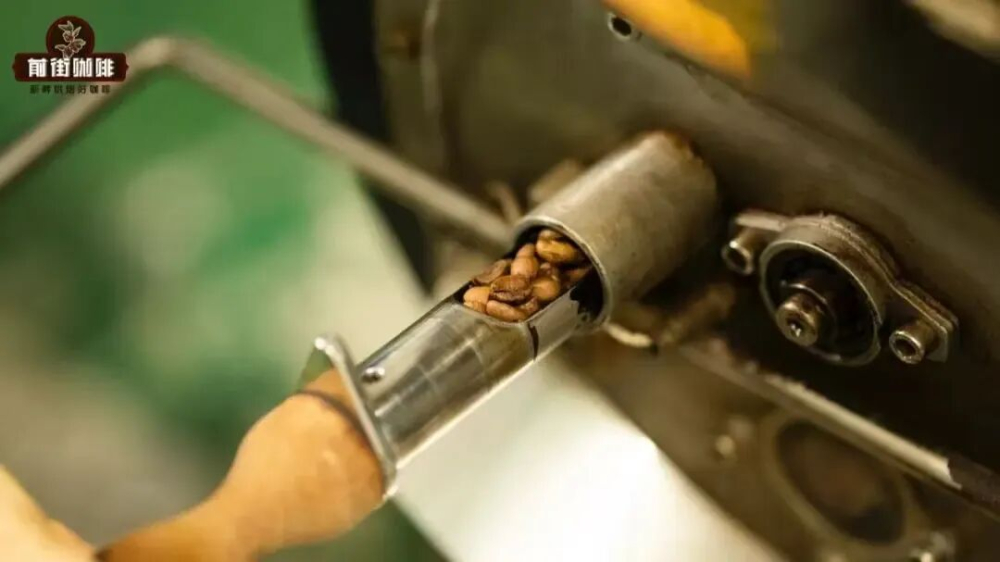
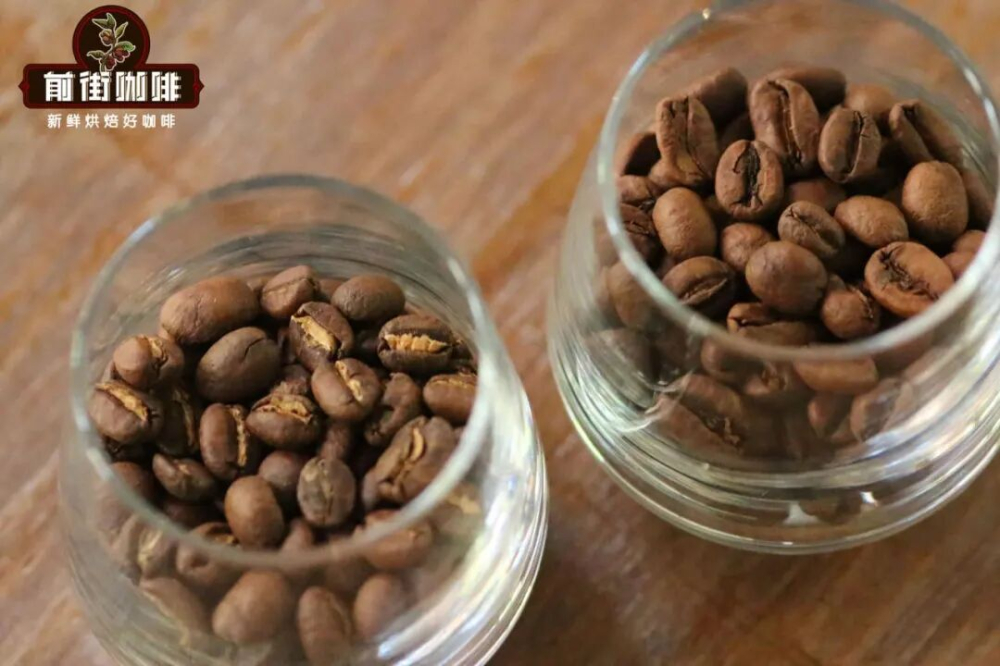
If you want to reduce silver skin interference, try these methods: after grinding, gently shake the coffee grounds container so the lighter silver skin floats to the surface, then sweep it away with an air pump or a soft brush. Before brewing a pour-over, sift the grounds (with a coarse-mesh sieve), but note that you may lose some fines, which affects extraction evenness. For enthusiasts seeking ultimate purity, choose dark-roasted or washed-process beans, which usually have lower silver skin residue.
In summary, silver skin is a natural part of the coffee bean, and a small amount left in normal brewing (especially pour-over) will not significantly change the flavor. Understanding how it forms and the handling techniques can help you enjoy every detail of coffee making with more ease.