Single origin, SOE or blend? A beginner's guide to beans
Introduction: Faced with the three main types of specialty coffee beans—single origin, SOE and blends—many newcomers to coffee are often bewildered. These three types differ fundamentally in origin, roast and flavor, and they directly affect your brewing method and the final taste in the cup. From concepts and suitable occasions to buying advice, this article will help you sort out the core differences among the three and master the key techniques of choosing beans and brewing.
In the world of specialty coffee, choosing the right beans is the first step to a good cup. Many people choose beans according to their brewing habits—for example, buying single origin beans for pour-over, or blends for espresso. But in recent years SOE (single origin espresso beans) has gradually become popular, and many beginners, when trying it, do not understand the differences among the three, which leads to choosing the wrong beans, wasting money, and even affecting their overall impression of coffee. This article will take you through a thorough understanding of the core definitions and practical applications of single origin, SOE and blends, helping you choose beans precisely and avoid detours.
What are single origin coffee beans?—In pursuit of regional flavor and a pure cup
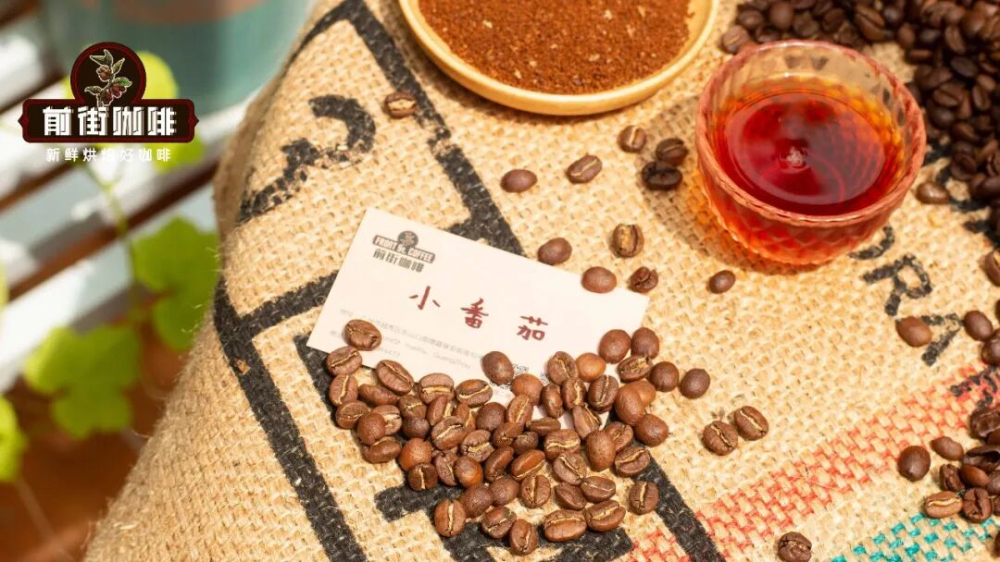
Single origin coffee beans, in English Single Origin, refers to coffee beans from the same region, processing plant, or even a specific plot of land. This concept of "single" can be very flexible: it can refer to a country or region, such as Ethiopia's Yirgacheffe, or be narrowed down to an estate, such as a particular processing plant in Panama, or even precise to a small plot. The greatest characteristic of this type of bean is its traceability: from growing environment, altitude, processing method, to variety and harvest time, everything is clearly recorded, and therefore it usually has more distinct and unique regional flavors.
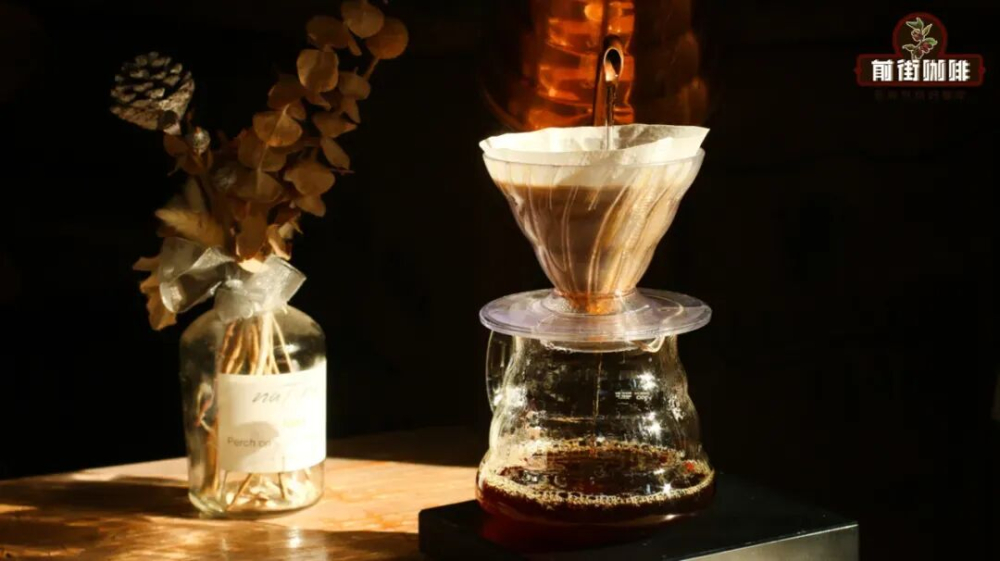
Precisely because single origin beans can clearly reflect the terroir of a region, they are often used in pour-over, French press, cold brew and other brewing methods that can bring out the bean's true character. Common flavor expressions include citrus, floral, tea-like, honey or nutty notes, and these qualities are more easily extracted during pour-over. In addition, single origin beans have relatively gentle requirements for roast level, so as to retain more original flavor, and are therefore also considered the "purest" coffee experience.
What is SOE?—The flavor star of espresso
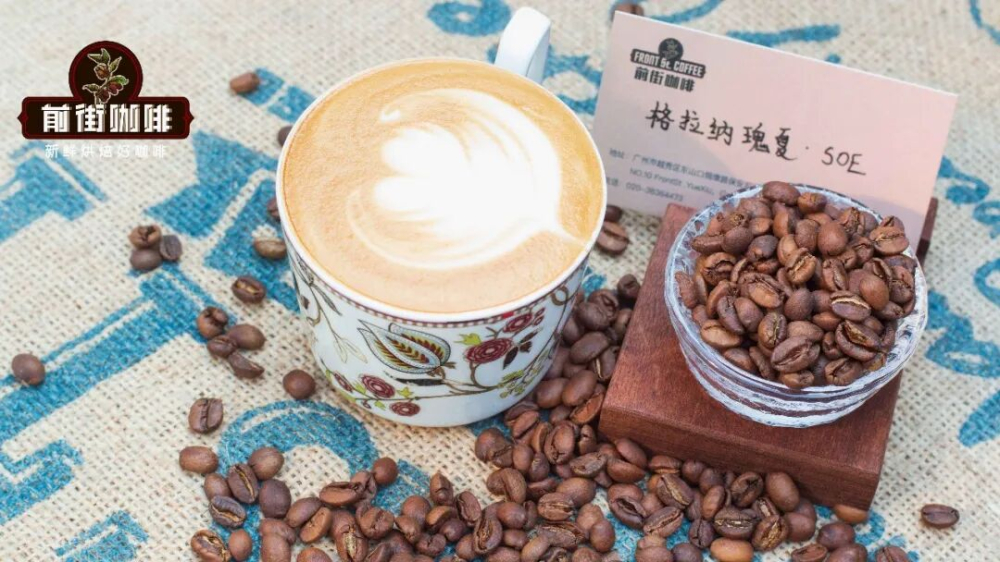
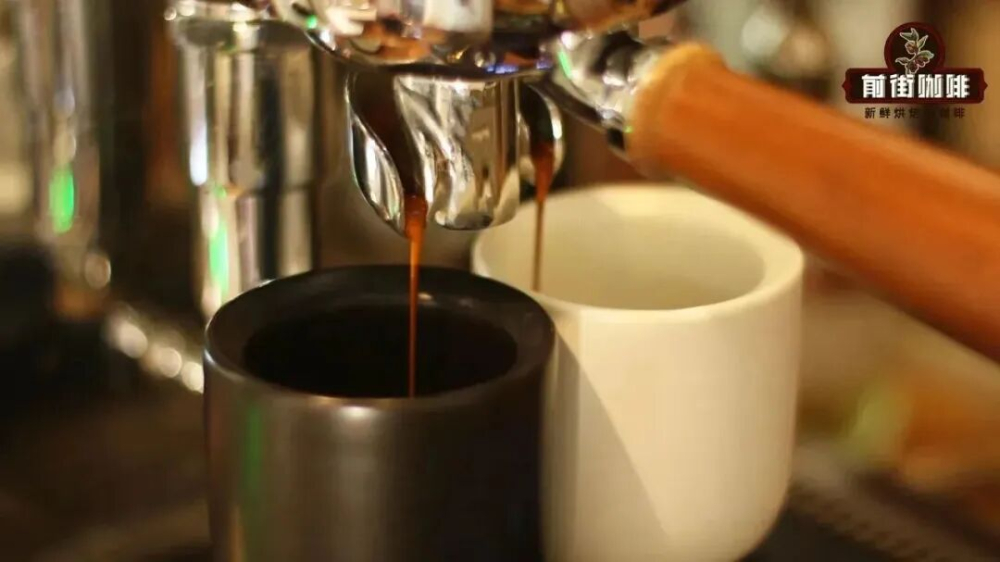
SOE, short for Single Origin Espresso, means single origin espresso beans. Its main difference from ordinary single origin beans lies in its use: SOE is designed specifically for espresso machines, using high-pressure extraction to bring out the unique and complex flavor characteristics of beans from that region. Although SOE also comes from a single origin, it places higher demands on roasting and extraction.
In order to still express clear fruit acidity, sweetness and layers under the high temperature, high pressure and fine grind of espresso, SOE usually uses a medium roast—neither too dark, which would mask the original flavor, nor too light, which would fail to support the pressure of espresso extraction. Once roasted improperly, it easily produces a "lopsided" cup with sharp acidity or excessive bitterness. Therefore, SOE has certain requirements for the performance of the coffee machine, the fineness of the grind, and the operator's extraction skills.
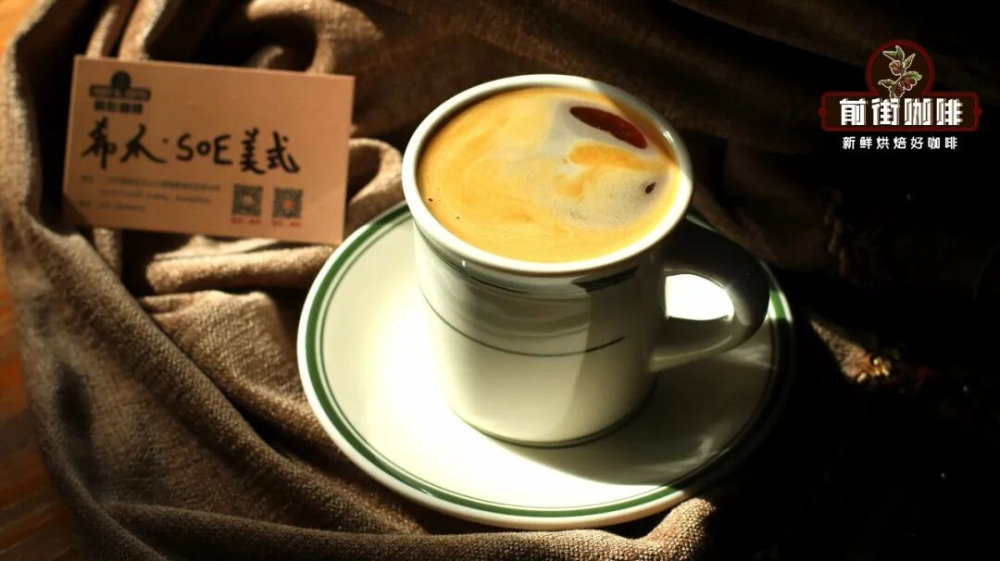
Common SOE applications include espresso, Americano and latte. Its greatest advantage is that it can still retain some regional character in milk coffee, such as berry, caramel or tropical fruit flavors, bringing a richer layered experience to everyday milk coffee.
Blended coffee beans: the representative of stability and balance
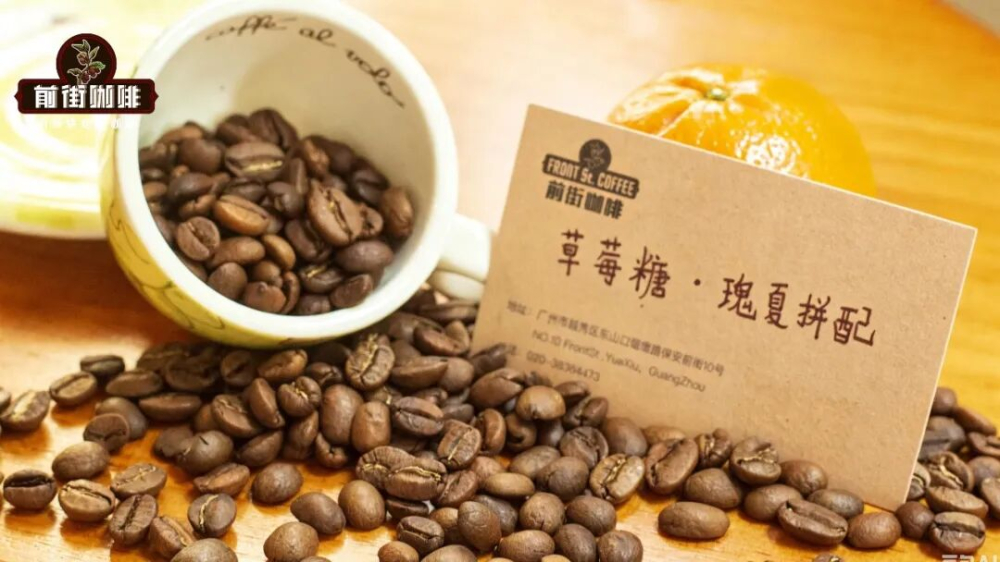
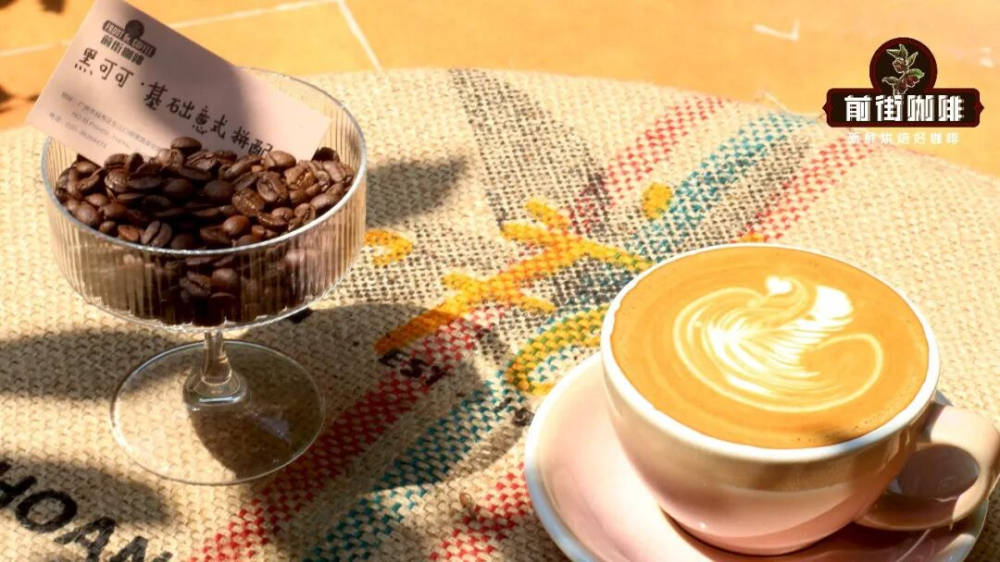
Compared with the distinct personalities of single origin and SOE, blended coffee beans (House Blend) focus more on overall stability and balance. They are usually made by mixing coffee beans from several different regions, with the goal of creating a coffee suitable for espresso machine extraction, with balanced flavor and consistency in every cup.
The daily espresso beans in most coffee shops, including those for Americano, latte and cappuccino, are blends. These beans often use a medium-dark or dark roast to enhance body and sweetness, while ensuring flavor consistency during large-volume output and making them less susceptible to the influence of a single batch of raw material. There are two main blending strategies: one is "making up for each other's shortcomings," for example using the body of Brazilian beans to balance the acidity of Colombian beans; the other is "combining strengths," combining specialty beans from different regions to enhance the complexity and richness of the overall flavor.
For home users or coffee beginners, blends are a good choice for practicing latte art, achieving consistent output and getting used to an espresso machine. Especially when equipment performance is limited or operating experience is shallow, blends have a higher tolerance for error and are easier to control.
Which one should I choose?—Match precisely to needs and equipment
Faced with single origin, SOE and blends, many consumers wonder: which one should I buy? In fact, the answer is not unique; it depends on your brewing method, equipment conditions and personal taste preferences.
1. A beginner who wants stability, often drinks milk coffee and practices latte art? Choose a blend!
If you have just started with espresso, use an ordinary home coffee machine at home, or like drinking latte, cappuccino and other milk coffees, then blends are the most reliable choice. The high stability, full body and integration with milk of blends make them very suitable for making everyday drinks. Moreover, most coffee shops also use blends with similar recipes, so you can reproduce an experience close to the shop at home.
2. Like pour-over, want to explore regional flavors, learn tasting, try cold brew? Choose single origin!
The greatest charm of single origin beans is that they let you experience the terroir of different regions, such as the citrus and floral notes of Ethiopia, the berry notes of Kenya, the spice of Indonesia, or the nutty and creamy aroma of Brazil. These flavors are more easily expressed in low-pressure extraction methods such as pour-over and cold brew. If you want to deeply understand the regional characteristics of coffee, single origin beans are the best starting point for learning to taste.
3. Want to play with espresso, pursue special flavors, are an advanced player, like balanced acidity and sweetness? Choose SOE!
SOE is suitable for coffee lovers who are already familiar with espresso extraction and want to try more distinct and unique flavors. It retains the regional character of single origin beans while, through medium roasting and espresso extraction, showing a fuller body and aroma. If you don't want to drink the same old dark-roasted blends, and feel that ordinary single origin beans perform blandly in espresso, then SOE will be your ideal choice.
Conclusion: Choose the right beans to drink good coffee
Single origin, SOE and blends essentially represent different orientations in the coffee world: purity, personality and balance. None is better; there is only which one is more suitable for your current taste, equipment and brewing goals. Whether it is a deep exploration of flavor or a stable experience for everyday drinking, understanding the differences among the three will make your coffee journey smoother and more enjoyable.