Yirgacheffe Coffee Types Explained: Its Link to Sidamo and Buying Guide
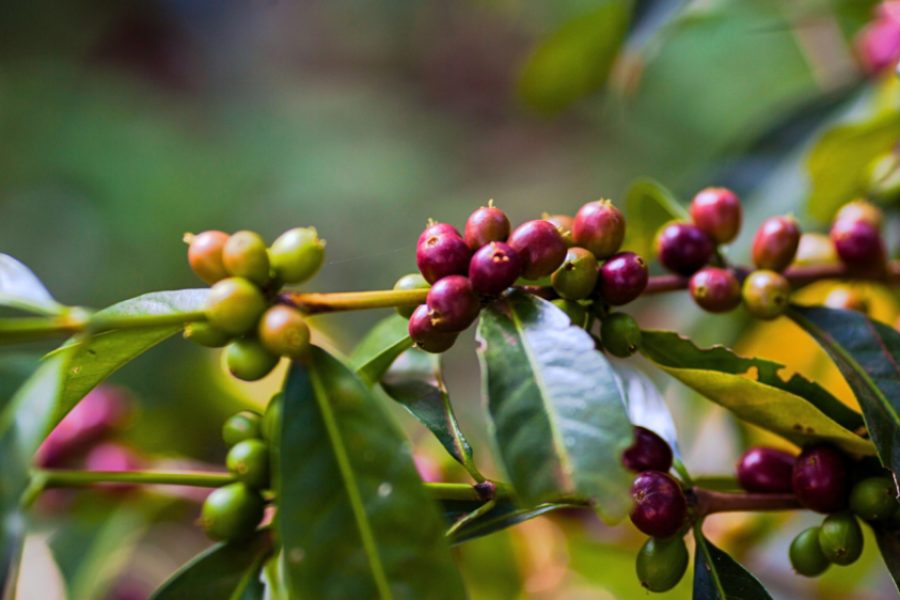
Introduction: Ethiopia's Yirgacheffe, with its distinctive floral and fruity aromas and bright acidity, has become a popular choice among coffee lovers worldwide. But have you ever wondered why so many different names appear on Yirgacheffe coffees on the market? And how does it relate to the neighboring Sidamo region? This article takes you through Yirgacheffe's sub-regions, flavor characteristics, and the reasons behind its many processing methods and flavor profiles, helping you better understand and choose the coffee beans you love.
Ethiopia is known as the genetic treasury of coffee, and most of the world's Arabica varieties originate here. Yet unlike other coffee regions, Ethiopian specialty coffee emphasizes "origin" and "processing method" rather than a single coffee variety. Yirgacheffe is one of the representatives of this philosophy. Not only does it have an elegant, melodious name, it is also known for its bright acidity and rich floral and fruity aromas, while offering excellent value for money—which is why it is favored by both coffee newcomers and veteran enthusiasts. However, observant drinkers will notice that Yirgacheffe on the market is not just one thing: names like Kochere, Worka, Konga, and Gotiti are all subdivisions within the Yirgacheffe system. So what do these names actually represent? How do they relate to Yirgacheffe? And how do they connect to the neighboring Sidamo region? Next, starting from Ethiopia's coffee grading system, we will take a closer look at the diversity and unique appeal of Yirgacheffe.
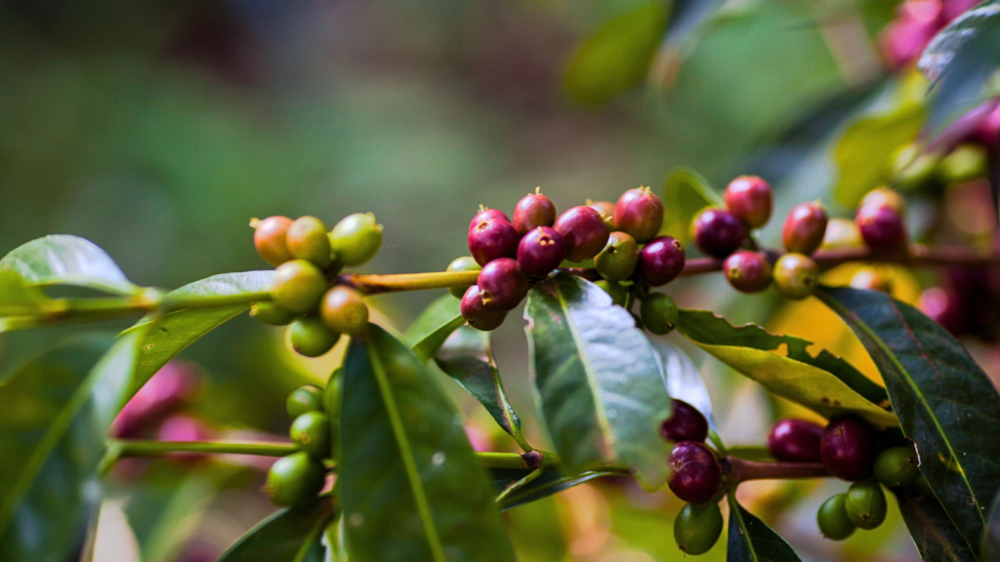
The place name Yirgacheffe was originally just a small town in the Gedeo region of southern Ethiopia, administratively part of Sidama. The town lies in the East African Rift Valley, with varied terrain, rolling mountains, and plenty of volcanic soil. It is close to Lake Abaya and rich in water resources, and local coffee cultivation is mostly concentrated on high slopes above 1,800 meters. The soil is fertile, sunshine is abundant, and the temperature difference between day and night is pronounced—ideal conditions for coffee trees to grow.
Before the 1950s, Yirgacheffe was still just part of the Sidamo region. At that time, coffee was mainly processed by the traditional natural (dry) method, a relatively primitive process, so the beans' flavor was not outstanding and often carried earthy notes; overall they were fairly ordinary and had not yet shown the unique character for which the region would later become famous. It was not until the 1970s, with the rise of the global specialty coffee movement, that Yirgacheffe established the area's first professional washed processing station. Thanks to advanced equipment and meticulous processing, the coffee here gradually developed a fresh, bright, softly acidic, and clean, pure flavor profile, standing out in the coffee world. From then on, Yirgacheffe not only became independent from the Sidamo region but also grew into one of the representative specialty coffee regions. It is worth noting that before specialty coffee became popular, Yirgacheffe had already won high praise in the industry for its rare citric acidity and white floral notes. Even Starbucks once tried to register "Yirgacheffe" as a brand trademark—though unsuccessfully, which is enough to prove its influence.

As Yirgacheffe's international reputation grew, the output of the original small town alone was far from meeting market demand. At the same time, to address inconsistent coffee quality, the Ethiopian Commodity Exchange (ECX) established a more systematic coffee grading and origin management system. Under this framework, Yirgacheffe was defined as a broader legal region, far beyond the original town's boundaries.

Today's Yirgacheffe region includes not only the original town of Yirgacheffe but also several small production areas within the Gedeo Zone of the Southern Nations, Nationalities, and Peoples' Region, such as Yirga Cheffe, Dilla Zuria, Wenago, and Kochere, as well as Gelana Abaya in the West Guji Zone of Oromia. According to official standards, as long as coffee is produced in these areas and has Yirgacheffe's typical flavor characteristics—such as delicate jasmine aromas, bright lemon and citrus acidity, and a fresh green tea finish—it can be classified as Yirgacheffe and sold under that name. Conversely, if coffee comes from the area but does not pass official flavor certification, it cannot use the Yirgacheffe trademark.

So why are there so many types of "Yirgacheffe" on the market? This is mainly related to Ethiopia's coffee production model. Most local coffee cultivation is smallholder farming, with coffee trees often planted in farmers' backyards or nearby forests. During harvest, farmers pick the coffee cherries and send them to processing plants near water sources for centralized processing, or sell them to middlemen who deliver them to auction markets. For this reason, many Yirgacheffe coffees are not sold under the large region name "Yirgacheffe" but are distinguished by smaller place names, such as Kochere or Misty Valley, or simply by the name of the processing station or cooperative, such as Konga, Gotiti, or Worka. Producers in these places usually have extensive processing experience, so their coffees are consistent in quality and full of character, and more easily develop highly recognizable flavor styles.
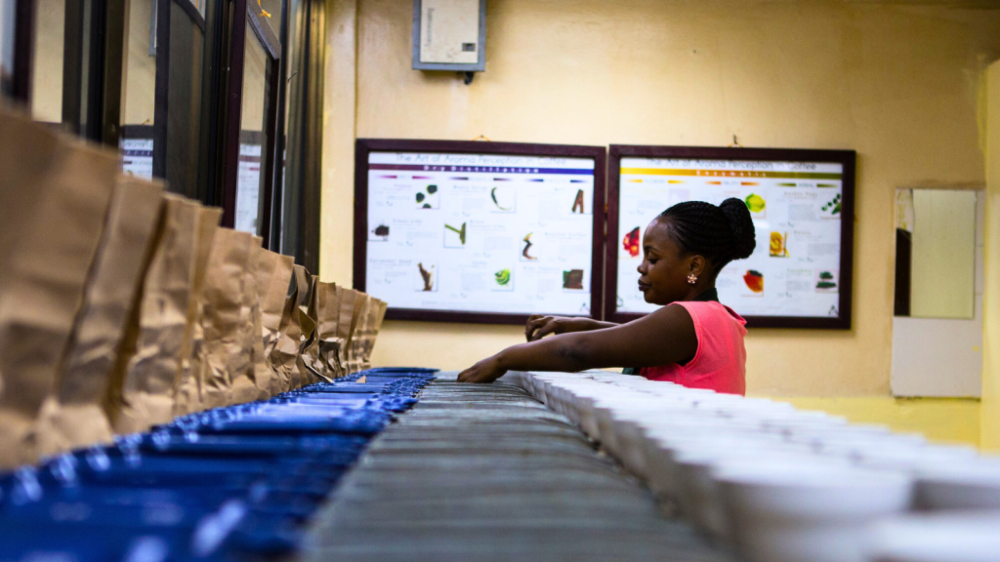
When choosing Yirgacheffe coffee, besides paying attention to origin and producer, the processing method is also a crucial factor. Ethiopian coffee naturally contains abundant fruity precursor compounds, and different processing methods significantly influence the final flavor direction. Among them, the washed method removes the pulp and mucilage before drying, making the coffee cleaner with clearer acidity—typically presenting bright citrus and lemon acidity along with a soft tea-like finish—very suitable for those who enjoy a refreshing cup. Natural processing, by contrast, retains more of the fruit fermentation process, so the coffee often carries richer berry and tropical fruit aromas, with stronger sweetness and a certain degree of fermented flavor.
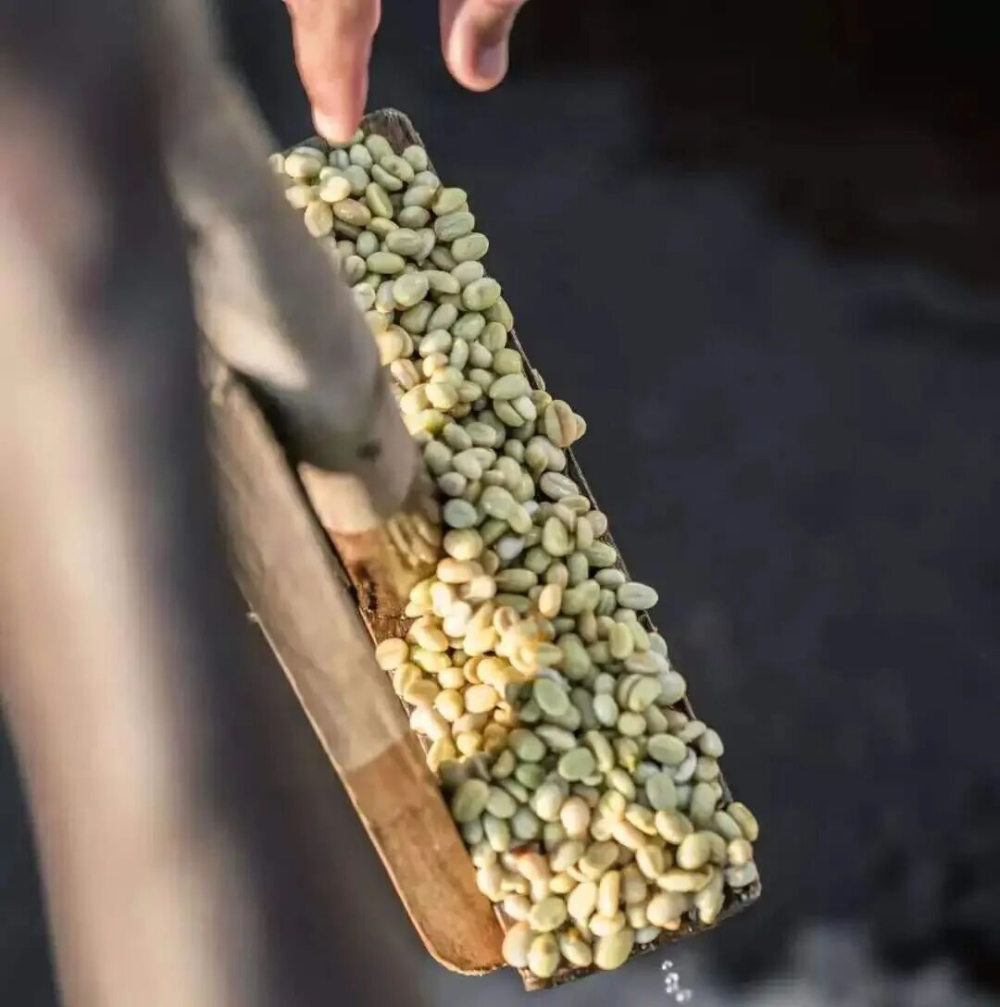
In recent years, with continuous innovation in specialty coffee processing, some advanced methods have gradually been applied to Yirgacheffe, such as anaerobic fermentation. Take 72-hour anaerobic natural processing as an example: by controlling the fermentation environment and time, this method can give the coffee more complex fruit notes, such as ripe strawberry sweetness and delicate floral layers, making the overall flavor fuller and more layered, and offering Yirgacheffe lovers a more diverse flavor experience.