Why Light Roasts Highlight Floral Notes: Extraction Parameters and Flavor Identification
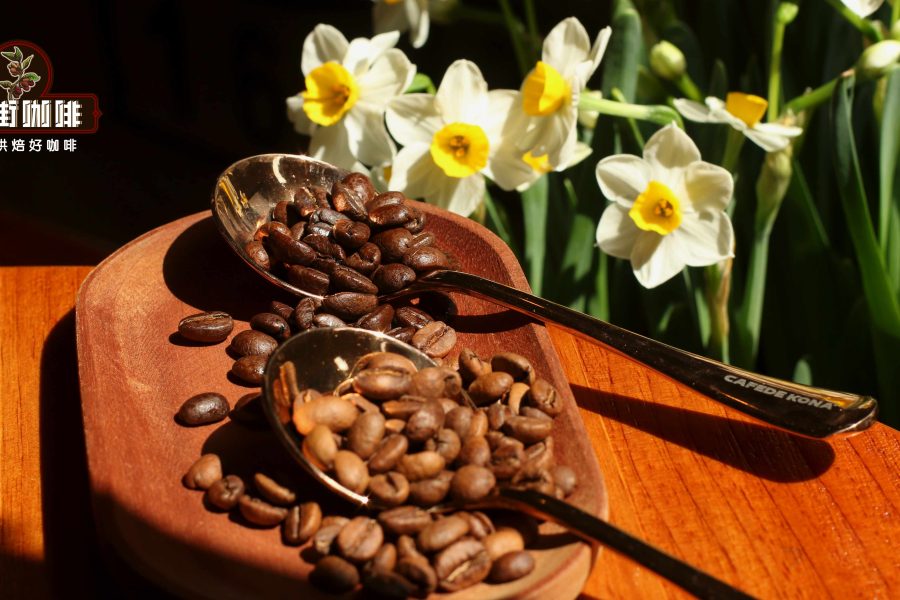
Introduction: Why do some coffees taste like you're standing in a garden? From a scientific extraction perspective, this article explains how the thousands of aromatic compounds in coffee retain their floral characteristics under light to medium roasting. It breaks down the mechanisms by which roast level affects flavor, teaches hands-on techniques from grinding and pouring to tasting so you can precisely capture different aroma types such as white jasmine and rose notes, and includes brewing parameter references and flavor comparison guidance.
The soul of coffee flavor comes from more than a thousand volatile compounds in the green beans. These substances are released during grinding and pouring, and through the action of temperature and time they form a unique aroma profile. Among them, floral notes are an important flavor dimension of specialty coffee, and how they present is closely tied to the roast curve and brewing parameters.

From a chemical perspective, coffee brewing is essentially a process of targeted extraction of flavor compounds. Variables such as water temperature, coffee-to-water ratio, and steeping time directly affect the proportion of aromatics dissolved. Experimental data shows that a water temperature of 90-93°C better balances acidity with the release of fruity and floral aromas, while a coffee-to-water ratio of 1:15-1:17 is better suited to highlighting delicate floral characteristics.

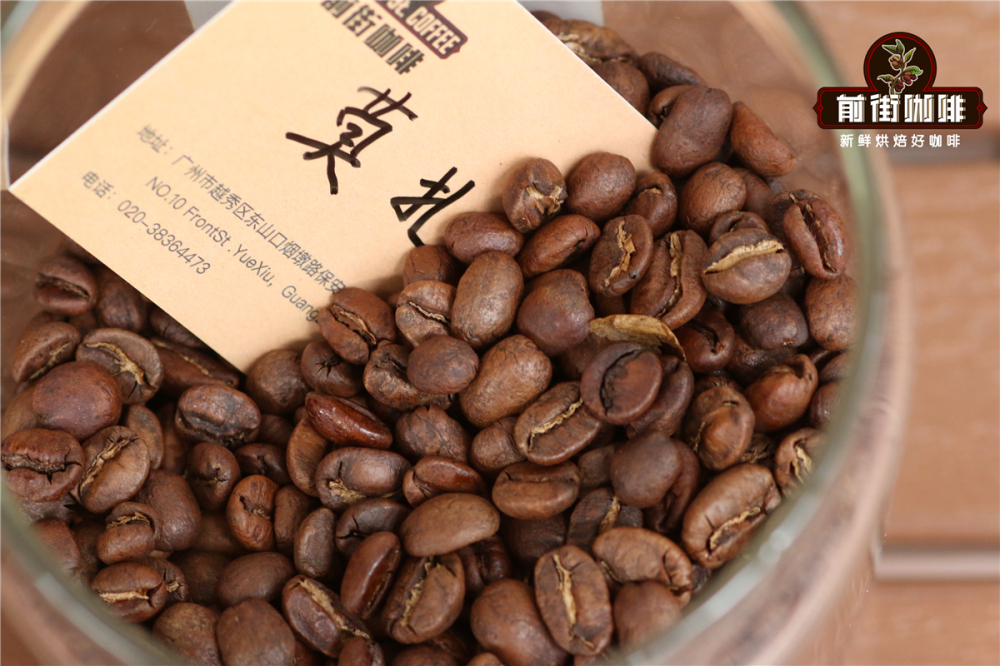
Coffee variety lays the flavor foundation, but the roasting process is the key determinant of floral intensity. When the green beans themselves lack certain aromatic compounds, subsequent processing cannot create them out of thin air. Light to medium roasting (Agtron #65-#55) preserves sugars and organic acids to the greatest extent, cutting off excessive caramelization in the early stages of the Maillard reaction and thereby maintaining the stability of floral molecules.
As roasting deepens, pyrazine-related roasted notes gradually dominate, while floral components such as esters and aldehydes are easily broken down by high heat. Observing roast curves reveals that extending 30 seconds after the dense phase of first crack can significantly diminish fruity and floral qualities. So when seeking fresh floral notes, it's advisable to choose lighter-roasted beans, which have bright acidity and a fresh tea-like finish.

Bean freshness directly affects the activity of aromatics. Freshly roasted beans need a degassing period of 2-14 days, during which carbon dioxide release carries away some volatile compounds. It's recommended to store unopened bags in a cool, dark place, and after opening to use an airtight canister with a one-way valve; the optimal enjoyment window is 7-21 days after roasting. Check the packaging date before grinding and avoid using beans that have been in stock for more than a month.
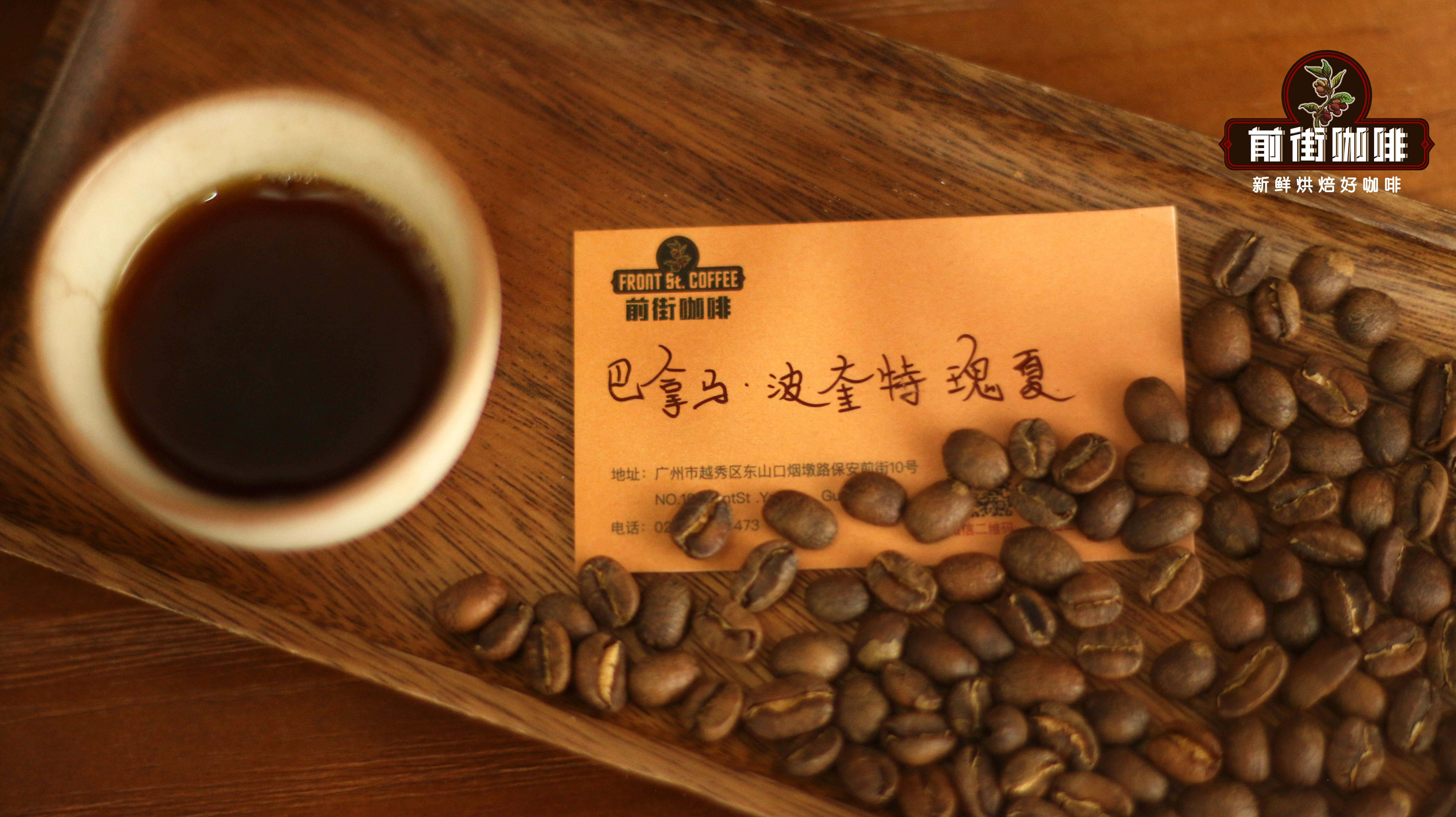
During actual tasting, floral notes tend to appear in three stages: first, the sharp aroma that bursts out the moment the beans are ground; second, the hazy floral mist that rises during the bloom (recommended: 93°C water, water amount at twice the dose, 30-second bloom); and finally, the notes are most obvious when the drink cools to 50-60°C. For comparative tasting, you can associate white floral notes with gardenia and orange blossom, pink-toned notes with peony and rose, and muted aroma types with the layered feel of osmanthus and chamomile.

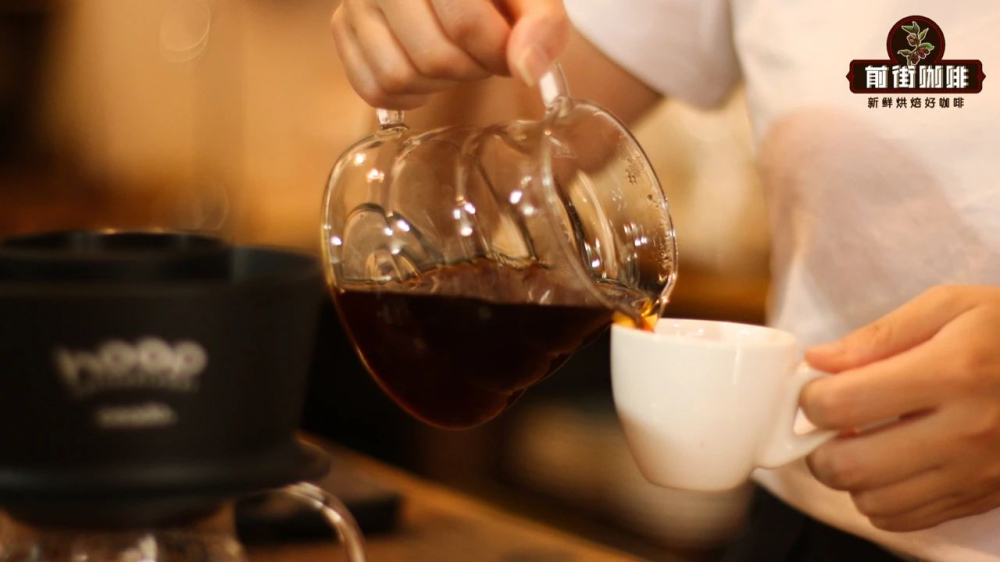
For different aroma characteristics, you can adjust the brewing plan to strengthen expression: when extracting white floral notes, use a grind size like fine granulated sugar with a staged pouring method (first pour down the center to one-third height, then pour in circles to fill); when encountering muted aroma profiles, slightly reduce the grind size and extend the bloom to 45 seconds to help off-flavors dissipate. Watch the flow rate: for 15-20 g of coffee, aim to keep the pouring time at 2:10 ±10 seconds.

Beginners can use a simple test to judge a bean's tendencies: take a small amount of ground coffee, sniff it close to the nose, and note the initial impression; after brewing, taste the aroma's evolution through the front, middle, and finish. Common pitfalls include over-pursuing high-temperature extraction, which lets bitterness mask fruity and floral qualities, or pouring too fast so that aroma molecules aren't fully released. It's recommended to use a thermometer to monitor water temperature changes and ensure it stays stable within the target range throughout.

For storage, pay special attention to humidity control; relative humidity above 60% easily leads to mold. If the coffee grounds clump or give off a rancid, oily smell, it indicates the flavors have lost their activity. Professional roasteries usually provide the roast date, and consumers can choose in-stock batches with a "short resting period" according to their needs to ensure the beans are at their aromatic peak when they arrive.