Beginner's Coffee Guide: Americano vs Latte and Espresso Bean Roasting and Extraction

Introduction: Faced with a café menu full of options, beginners often struggle to choose between an Americano and a milk coffee. This article helps you sort out your thinking, from flavor characteristics and suitable occasions to home brewing techniques. It focuses on explaining the roast level selection and recipe ratios for espresso base coffee beans, provides a practical workflow for iced lattes from bean selection to latte art, and includes suggestions for adjusting key parameters, helping you easily find the cup of coffee that suits you.
Walking into a specialty café and facing a menu full of technical terms—pour-over, Americano, latte, cappuccino, even cold drip and cold brew—beginners are often bewildered. In fact, choosing according to taste preference is not difficult: if you pursue the pure taste of coffee itself and a refreshing effect, Americano (black coffee) is the classic choice; its crisp mouthfeel and distinct bitterness quickly wake you up. If you are sensitive to bitterness, milk coffee is more recommended, such as latte, cappuccino, or mocha. These espresso-based drinks are blended with fresh milk or flavored syrup, making the taste milder and suitable for most people's palates.
Among them, Caffè Latte is one of the most popular Italian milk coffees, made by combining hot fresh milk with espresso; it has both the richness of coffee and the silkiness of milk. When baristas make it, they also gently shake their wrists to draw exquisite latte art patterns on the milk foam, adding visual enjoyment. If you like an icy texture, iced latte is a popular summer choice; its coolness combined with coffee aroma is memorable.

Want to recreate a café iced latte at home? The key is choosing the right coffee beans and mastering the basic recipe. In traditional practice, coffee beans with a medium or darker roast level are recommended for iced lattes; these beans usually carry rich flavors such as chocolate and nuts, providing abundant aroma and a thick crema layer that lays a solid coffee base. During extraction, pay attention to controlling parameters to ensure the espresso's flavor is balanced.

For beginners not accustomed to bitter flavors, beans with a medium roast level and their own floral and fruity aromas can be chosen. Espresso made from such beans usually has bright fruit acidity and soft floral notes; when mixed with milk, it can present a sweet taste similar to strawberry cream cake or caramel cookies, making it smoother on the palate. Beans of different roast levels directly affect the final flavor direction of the finished product, so it is recommended to adjust flexibly according to personal taste preferences.

The basic recipe for making an iced latte is not complicated, but you need to pay attention to the proportions and operational details of each step: first prepare a cup with a capacity of about 300ml; this is the basic container to ensure coordinated taste and appearance. Next, add about 80g of ice cubes, then pour in 170ml of fresh milk—the ice is used to cool down and add refreshment, and the amount of milk can be slightly adjusted according to personal preference for the milk-to-coffee ratio; if you like a stronger milk flavor, you can increase it slightly.
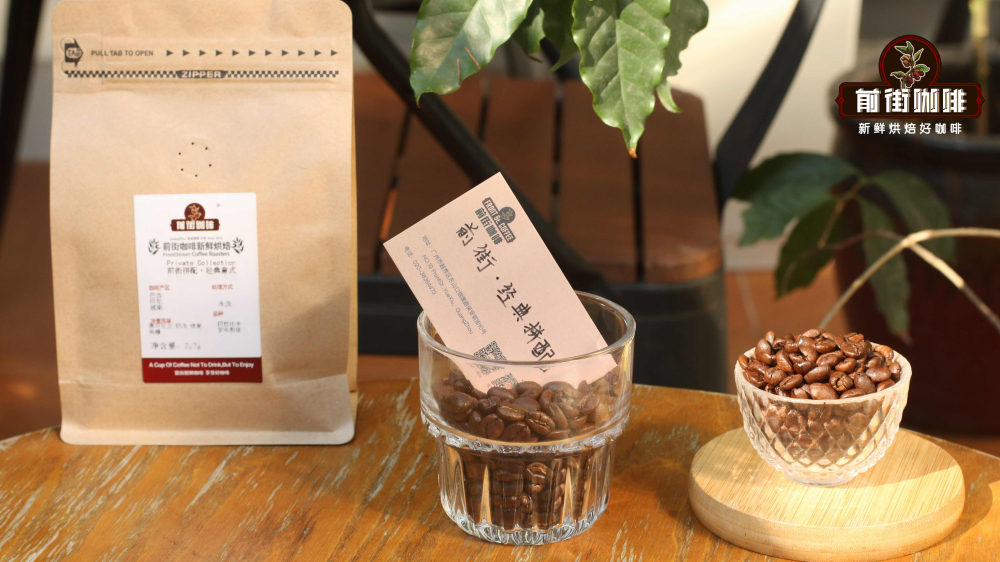
The core step is extracting the espresso: grind about 20g of freshly roasted coffee beans, and use an espresso machine to extract about 40ml of high-concentration espresso (the specific grind fineness, extraction time, and water amount need to be flexibly adjusted according to the characteristics of your home equipment and the condition of the beans that day). Pay attention to observing the flow rate and crema state; an ideal espresso should have a full golden crema layer and a uniform, stable flow. This step is key to determining the flavor of the whole latte; parameter deviations may make it too bitter or too weak.

Finally, slowly pour the espresso into the cup containing ice and milk, and stir gently for about 10-15 seconds until evenly mixed. At this point the ice will partially melt, further lowering the temperature and diluting the coffee concentration to achieve a more balanced taste. Avoid stirring too vigorously, which may break the ice and affect appearance; you can also drink it directly with the layered effect if you prefer.

In summary, when beginners choose coffee, Americano suits people who pursue a pure coffee experience, while milk coffee (such as latte) is more suitable for beginners who prefer a mild taste. When making iced lattes at home, the roast level of the coffee beans (medium-dark roast vs medium roast), flavor characteristics (nutty chocolate vs floral and fruity), and adjustments to espresso parameters (grind size, dose, liquid yield) all directly affect the final flavor performance. Through repeated practice, you will gradually find your own perfect cup of iced latte.