Ethiopia's Drima Zede Coffee: Natural Flavors, Roast Profile, and Pour-Over Guide
Introduction: This article provides an in-depth analysis of Drima Zede coffee from Ethiopia's Sidamo region, covering the background of the 90+ specialty coffee system and the uniqueness of its natural processing, and detailing its floral and tropical fruit flavor characteristics. It offers a professional roasting curve reference, pour-over grind size experiment data, and answers common questions such as 'Is Drima Zede coffee bitter?' to help you fully master the brewing points of this high-altitude specialty bean.
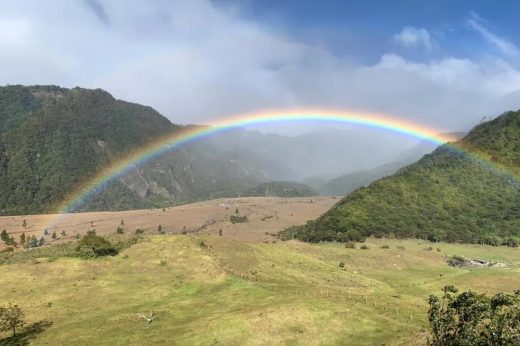
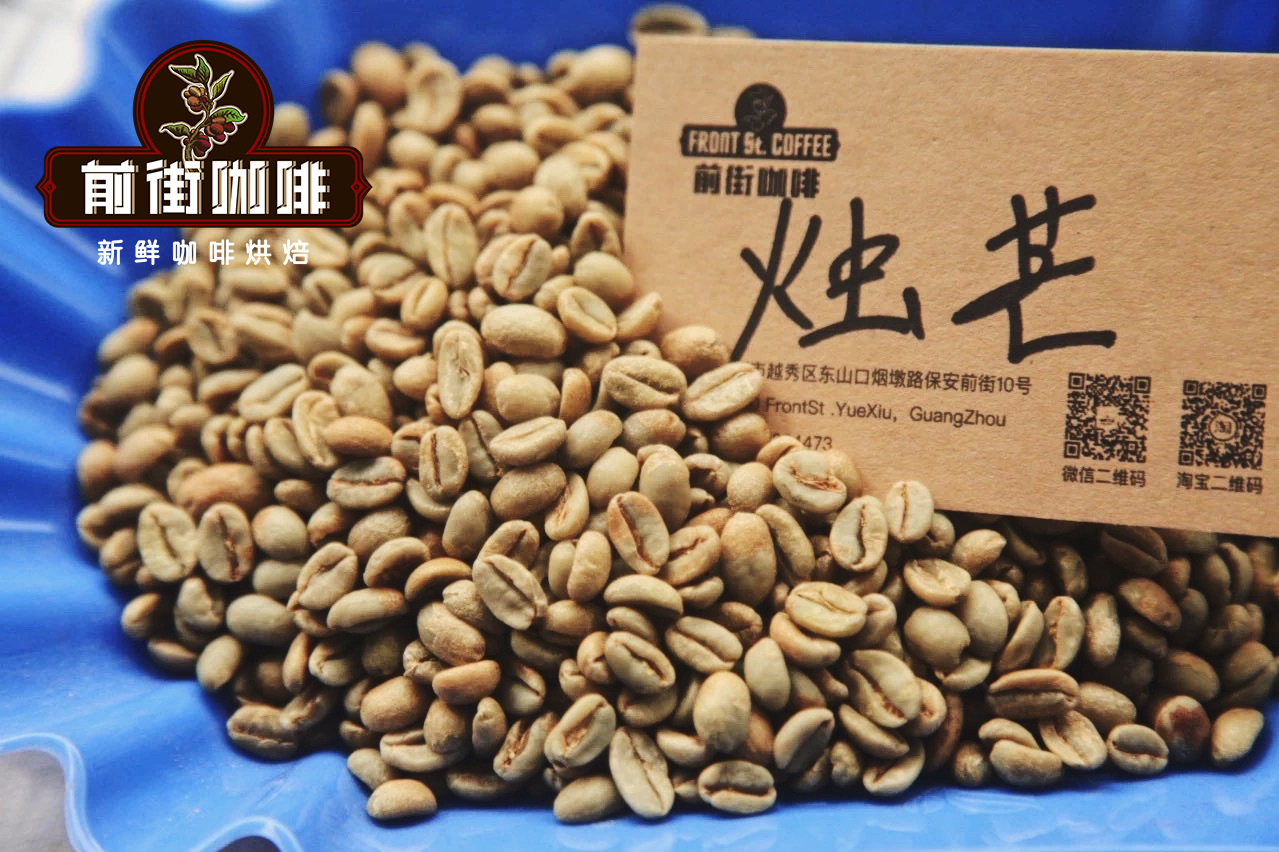
 Drima Zede coffee, grown at 1750-2000 meters in Ethiopia's Sidamo province, means 'best path' in the local dialect and is a representative of the 90+ series known for its natural processing. This bean, through strict selection of ripe coffee cherries and precise temperature-controlled drying, ultimately presents layered fruit aromas and a clean mouthfeel, with significant flavor differences between hot and cold drinks, making it a typical sample for coffee lovers exploring high-altitude natural beans.
 As a high-end product line of the 90+ system, its parent company quickly became known for high-scoring coffees after its founding in 2006. For example, its first product in 2007 received a 95-point professional review, and subsequent competition beans won honors including world runner-up. The series does not rely on a single origin label but names coffees by flavor characteristics—the name Drima Zede directly reflects its core positioning of 'quality experience'.
 It should be specially noted that 90+ does not refer to all coffees scoring above 90 points, but specifically to the brand's 13 top bean varieties developed through targeted cultivation. These beans are processed in layers according to origin climate and harvest timing, repeatedly optimized by a team of cuppers, ultimately forming a signature bright acidity and complex aroma structure, with evaluation scores often stable in the 94-97 range.
 The sub-brand LevelUp continues the flavor genes of 90+ but reduces costs through simplified processes, making it more suitable for daily drinking. The main series Drima Zede coffee focuses on the special terroir of the Sidamo region: local volcanic soil is rich in minerals, and combined with the high-altitude environment of 4600-7200 feet, it gives the coffee a natural sweet base and lively fruit acidity dynamics.
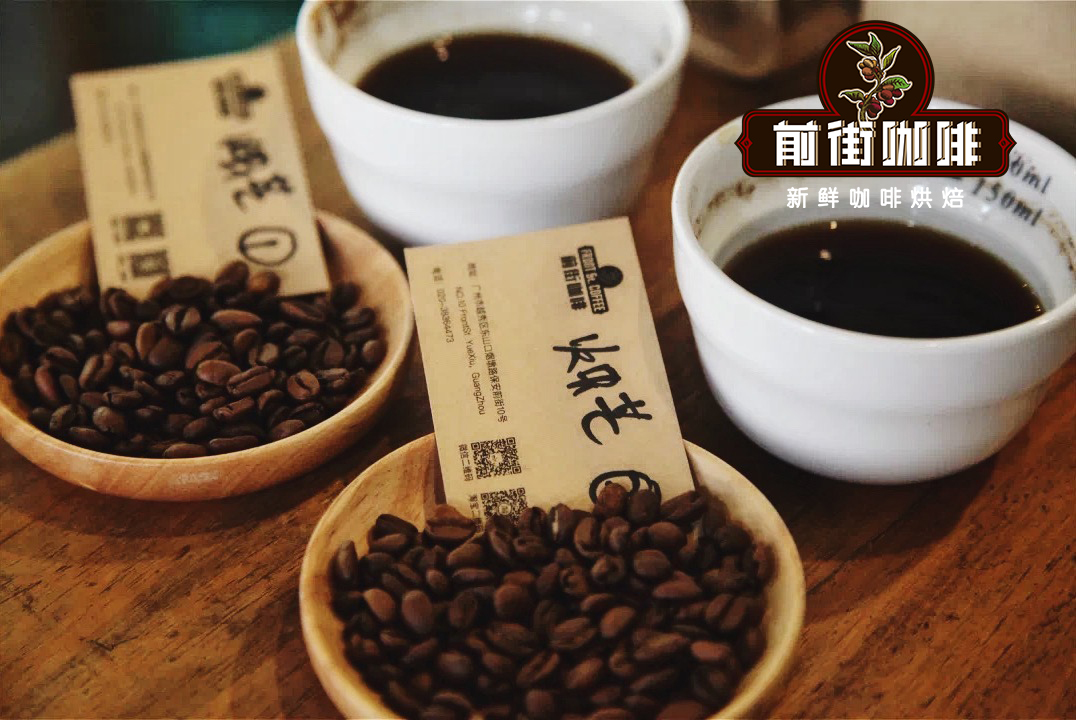 Specifically regarding Drima Zede's flavor profile, its natural processing brings layered tropical fruit notes. The main flavors include the sweet-tartness of stone fruits and berries such as nectarine, blackberry, and blueberry, layered with warm spice notes of plum and cinnamon, and a creamy, dense texture in the finish. This complex aroma is especially pronounced in cold brew or after overnight resting, and the fruit flavors become more concentrated as the temperature drops.
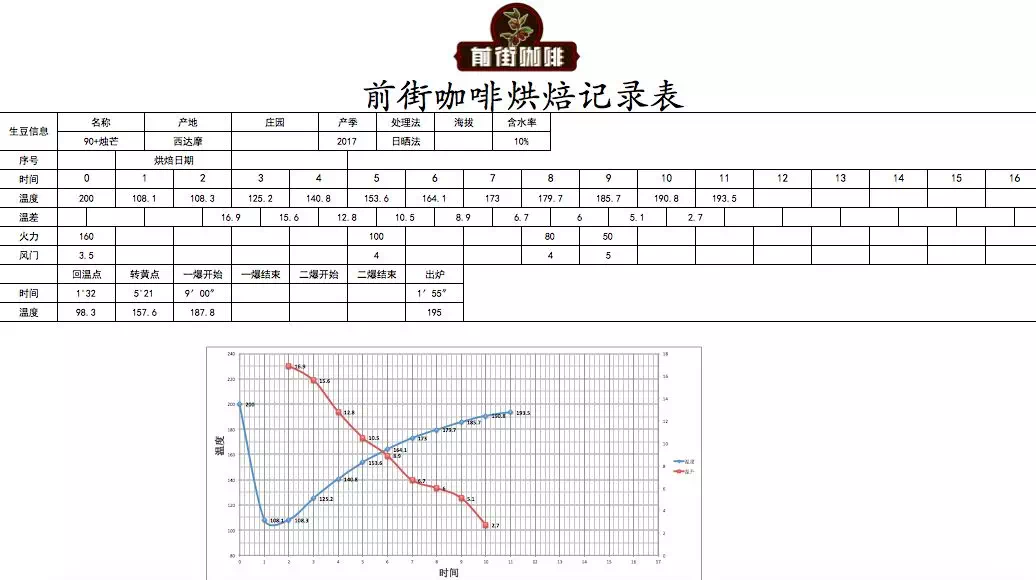
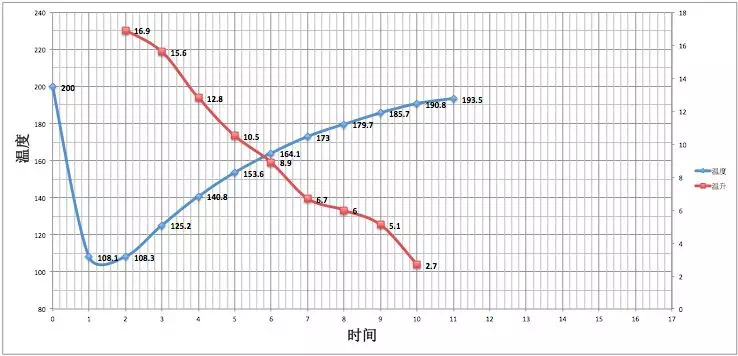
 For the roasting plan, a light, slow roast is recommended to preserve the activity of floral and fruit notes. Actual test data shows: when using a Yangjia 600g semi-direct-fire machine, charge green beans (moisture content about 11%) at an initial drum temperature of 200°C, then reduce to 160°C after 30 seconds for dehydration, and adjust the damper to 4 at 150°C to promote even browning. The key node is before first crack (signs of wrinkling appear around the 8th minute), where you need to closely monitor the rhythm of cracking sounds, and finally drop at 195°C 1 minute 48 seconds after first crack, when sweetness and aroma reach the best balance.
 Grind size significantly affects pour-over results. Test cases show: using a 5G sieve (corresponding to fine grind) gave a TDS concentration of 1.36%, with a richer flavor and a slight bitter base; switching to a 5F sieve (medium-fine grind) lowered TDS to 1.29%, with more prominent citrus notes and improved overall balance. Home users are recommended to check with a sieve, aiming for a pass-through rate of 7.0-8.0g; if no tool is available, rely on actual brewing feedback for adjustment.
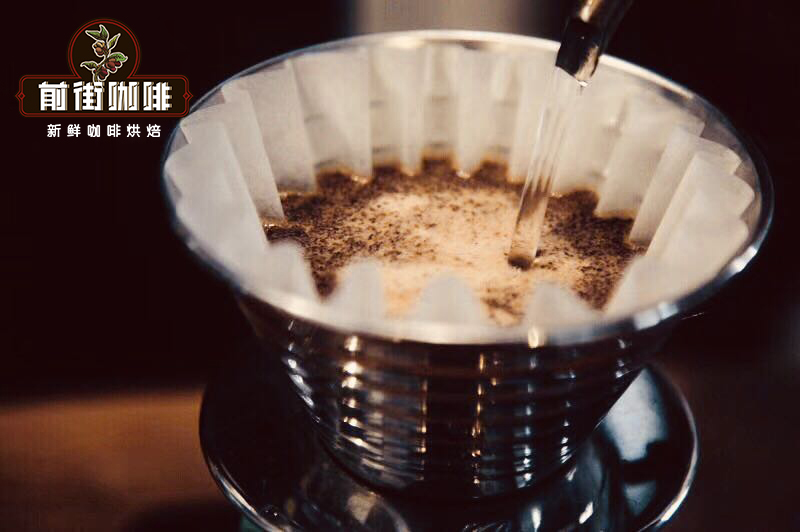
 For extraction parameters, the standard recipe is a 1:15 coffee-to-water ratio and 90°C water temperature. Specific steps: bloom with 30g of water for 30 seconds to activate aroma, then pour in stages to a total water amount of 225g. Keep the water flow steady to avoid disrupting the fragile fruit acidity structure. Common Q&A: Drima Zede coffee is actually low in bitterness; if noticeable astringency occurs, it usually comes from over-roasting or too fine a grind causing over-extraction.
 The 90+ system's naming rules are also distinctive. Unlike conventional origin+process labeling, the brand names beans by flavor imagery (e.g., Nekisse means 'nectar'), and classifies them through the N2/H2/W2 three-tier system: W2 represents low fruit intensity (focusing on acidity and floral notes), H2 is medium sweetness (balancing fruit pulp texture and tea-like notes), and N2 is strong fruit flavor (highlighting rich berry and jam flavors). Drima Zede, with its distinct tropical fruit explosiveness, is classified in the N2 high-flavor-intensity category.
 Additionally, the special microclimate of the Sidamo region deserves attention. The area has abundant annual rainfall, a day-night temperature difference of over 10°C, and a long growing cycle brought by high altitude, prompting coffee cherries to accumulate higher sugar content. The diversity of the native gene pool means each batch of Drima Zede may show slight flavor variations, which is also the charm of specialty coffee.
 In summary, Drima Zede coffee suits drinkers seeking bright acidity and complex fruit aromas. Whether paired with light-roast pour-over equipment or brewed with a French press, as long as grind size and water temperature are well controlled, it can reveal its complete flavor spectrum from tropical fruits to spice finish.