90+ Drima Zede Coffee Bean Review: Tropical Fruit Layers and Roast Curve Advice
Introduction: An in-depth analysis of the unique appeal of 90+ Drima Zede coffee beans, from the terroir characteristics of Ethiopia's Sidamo region to the raised-bed natural processing, detailing its signature layers of tropical fruit flavor. Professional roast curves, Gold Cup extraction parameters and home brewing plans are provided to help coffee lovers precisely grasp the characteristics of this high-priced bean and unlock its bright citrus notes and creamy texture.
 As a benchmark brand in the specialty coffee world, 90+ (Ninety Plus) is renowned in the industry for its deep exploration of coffee genetics. Its founder Joseph Brodsky, inspired by Panama Geisha, turned to Ethiopia to seek the potential of undeveloped varieties, eventually founding the company in 2006 and revolutionizing the green coffee production system.
Unlike traditional green coffee traders, 90+'s original Profile Processing system achieves full-chain risk control—intervening throughout from growing altitude and microclimate to processing method, scientifically regulating accidental flavors into stable output. This model produced star products such as Drima Zede, whose name means "best path" in Ethiopian language.
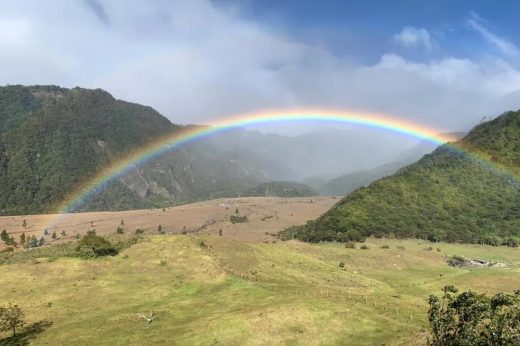
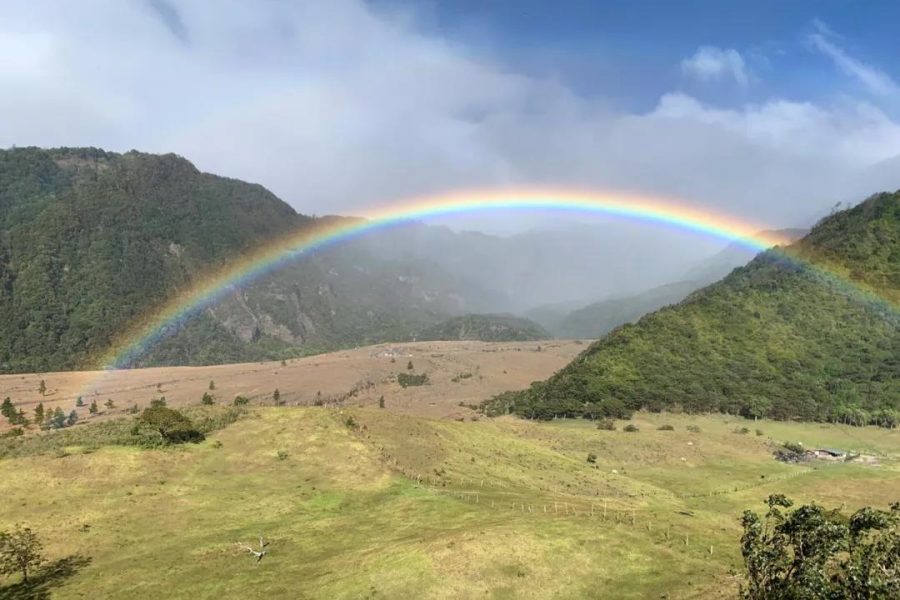
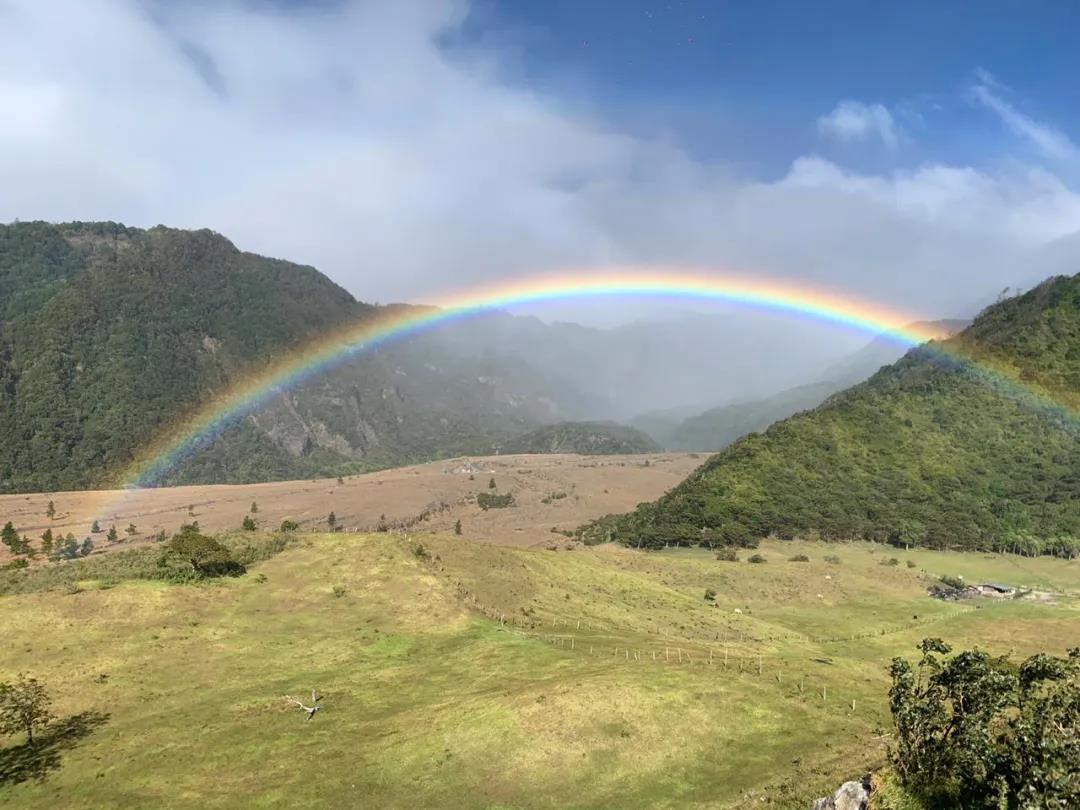 The core producing region of Drima Zede coffee beans is located in Sidamo in southern Ethiopia, where the highland environment at 1,750-2,000 meters altitude gives the coffee a distinct acidity structure. The region has an average annual temperature of 18-22°C, volcanic soil rich in organic matter, and 12 hours of daily sunshine with abundant rainfall, providing ideal conditions for coffee tree growth. Notably, local native varieties have been naturally selected over millennia and contain a complex gene pool.
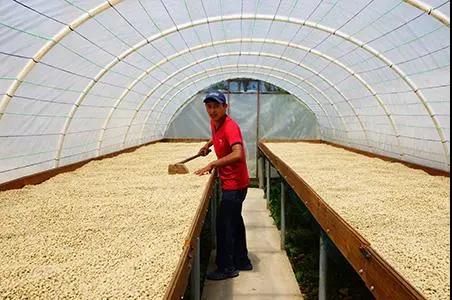
The raised-bed natural processing method is the soul of Drima Zede's flavor.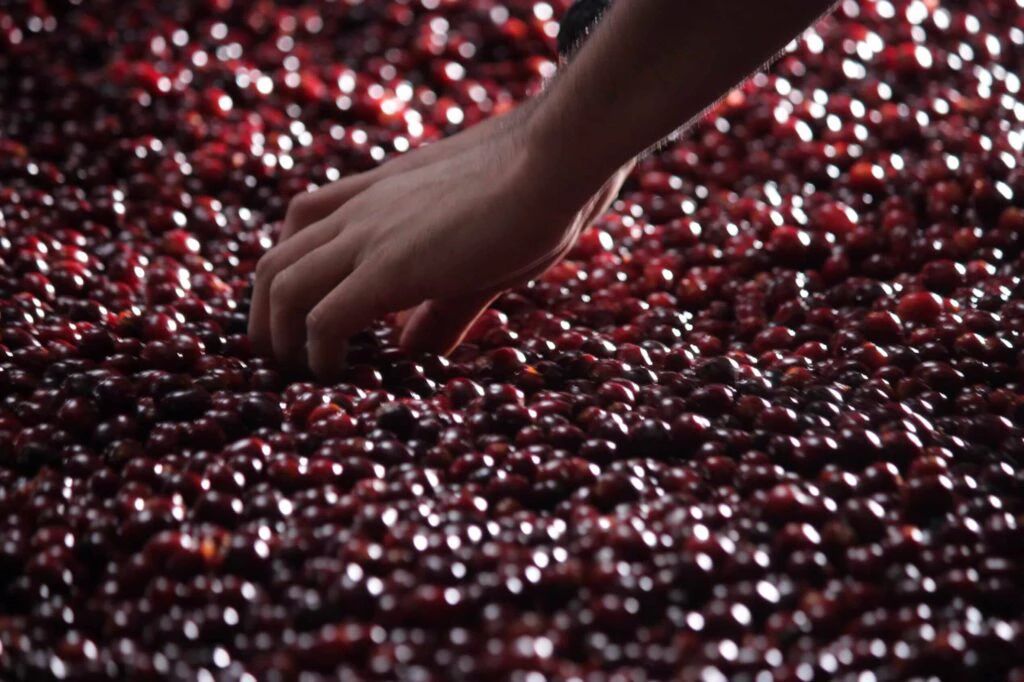 Only fully red ripe cherries are selected at harvest, density-sorted, then placed on wooden racks 2 meters above ground to dry. Workers turn them 3-4 times daily to ensure even drying while removing defective beans, and the whole process lasts 21-28 days. Compared with ground drying, this method reduces the risk of earthy off-flavors, and with nighttime covering to prevent dew, ultimately forms a clean sweet base.
Since 2020, Drima Zede's variety has been changed from Ethiopian native varieties to Caturra.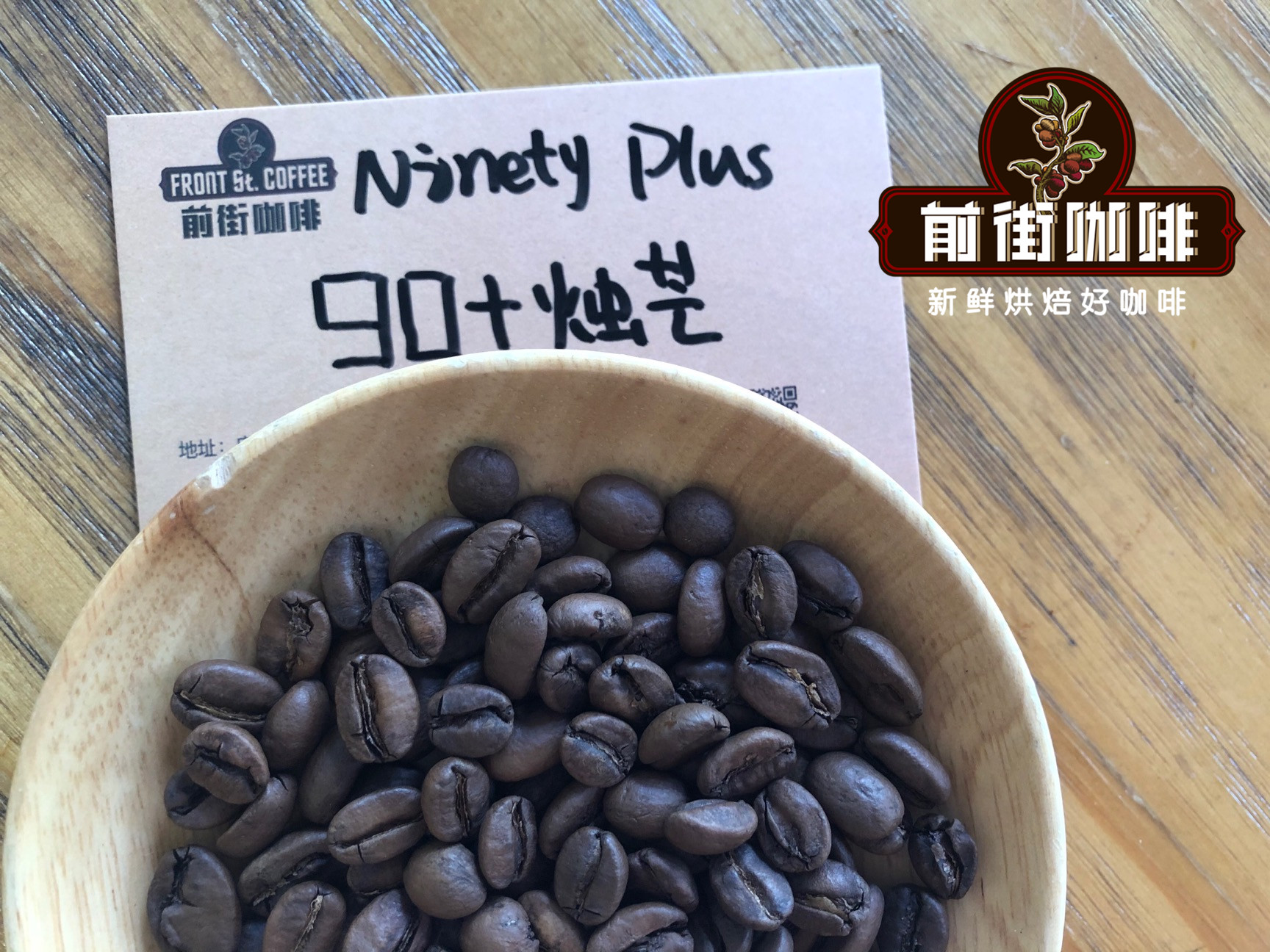 This Bourbon variant inherits bright acidity, and combined with 90+'s distinctive anaerobic fermentation technology, makes the fruit aroma burst more intensely. The dry aroma presents clear citrus notes, while the wet aroma turns into a blend of nectarine and mango, in sharp contrast to the fermented winey notes of traditional natural coffees.
Professional roasting recommends a medium roast curve: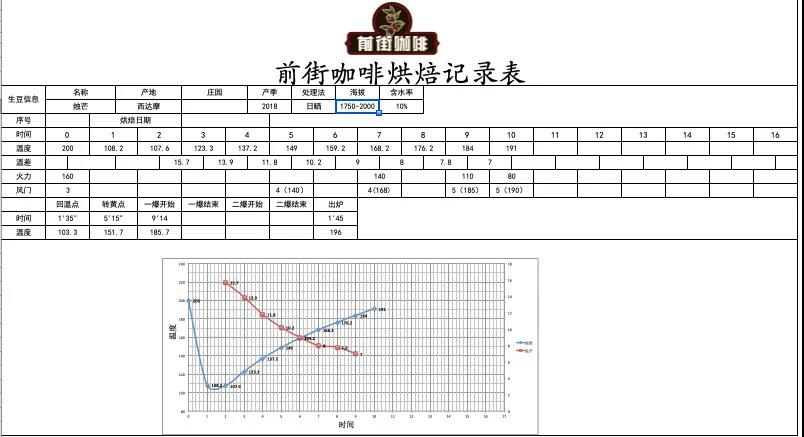 Charge temperature 200°C, increase airflow to 4 at the turning point of 140°C, adjust heat to 110 and open airflow to 5 before first crack. Key nodes include toast aroma at 168°C (dehydration complete), and drop at 196°C with development time maintained at 1 minute 45 seconds. These parameters balance floral-fruity notes and body, avoiding excessive caramelization that masks the origin's character.
Pour-over practical parameters for reference: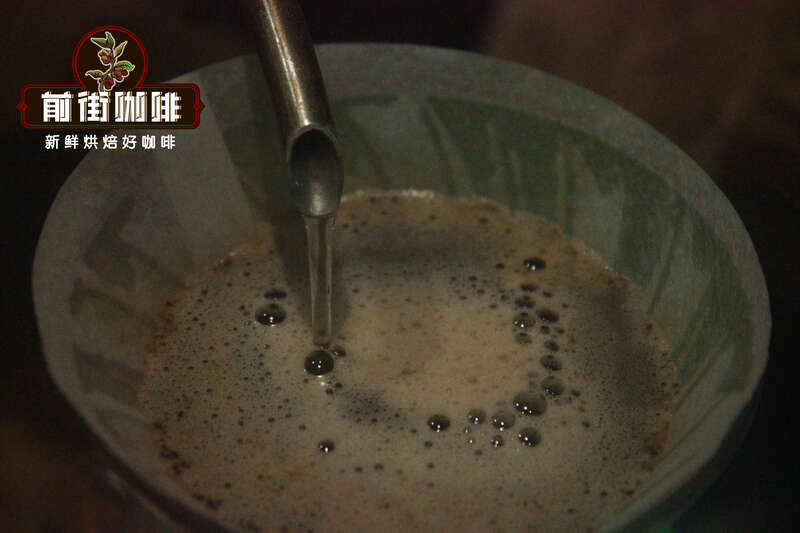 When using a V60 dripper, a water temperature of 90-91°C, a coffee-to-water ratio of 1:15, and a medium-fine grind (BG#6S) are recommended. Use three pours: 30 grams for a 30-second bloom, then pour in stages to a total of 225 grams. Focus on controlling a steady flow rate, and end extraction when the water level drops to the surface of the coffee bed, usually taking 2 minutes. This plan highlights the layered transition from berry acidity to creamy finish.
Cupping data shows a typical flavor profile: The dry aroma is dominated by citrus, the wet aroma reveals nectarine, and on the palate tropical fruits (mango/pineapple) interweave with a creamy texture, with a slight almond bitterness in the finish. Acidity is bright but not sharp, sweetness scores 8.5/10, and overall balance is better than most natural coffees. Professionals recommend resting the beans for no less than 14 days to fully develop flavor complexity.
 For home users, note that storage should use one-way valve foil bags, avoiding light and humid environments. If a fuller body is desired, try reducing the grind to coarse sugar level; if clearer acidity is preferred, shorten the bloom time to 20 seconds. The mineral content of water from different regions affects extraction efficiency, and it is recommended to monitor concentration with a TDS meter to keep it in the 1.15-1.35% range.
 From growing to the cup experience, 90+ Drima Zede demonstrates the ultimate pursuit of specialty coffee. Behind its high price is a processing craft supported by thousands of experimental data points and the utmost respect for the terroir characteristics of the origin. Whether for single-origin appreciation or competition training, this bean can provide coffee lovers with valuable sensory experience material.