How to Brew 90+ Drima Zede Coffee: Pour-Over Parameters and Flavor
Introduction: The 90+ Drima Zede coffee beans from Ethiopia's Sidamo region are known for their unique processing method and bright floral-fruity profile. This article explains the origin of the name, the growing philosophy, and the flavor characteristics of this specialty coffee, provides a professional pour-over plan and extraction parameters, and compares it with other varieties from the same region to help you precisely capture this bean's flavor potential.
Ethiopia is a treasure trove of coffee genetics, and the Sidamo region, with its varied terroir, produces coffees of rich complexity. Among them, 90+ Drima Zede—though not a regional name—has become a focus of specialty coffee enthusiasts thanks to its special naming logic and flavor performance. Its original name means "best approach" in Ethiopian languages, while the "90+" prefix represents a top-tier series launched by the American specialty coffee alliance—a series comprising 13 coffees grown with strict flavor-oriented selection, of which Drima Zede is a representative.
Unlike coffees traditionally named after estates or regions, the 90+ company takes a reverse approach: first defining an ideal flavor profile, then achieving that goal through precise control of the growing environment, harvest ripeness, and processing. This "blueprint growing method," similar to architectural design, locks Drima Zede onto a path of pure fruitiness and floral notes from the very source. Compared with Flower Queen, a star product of the Guji region also within Sidamo, which is widely known for the "strawberry cream" nickname given by the Chinese market, Drima Zede's naming is based entirely on a flavor design concept.
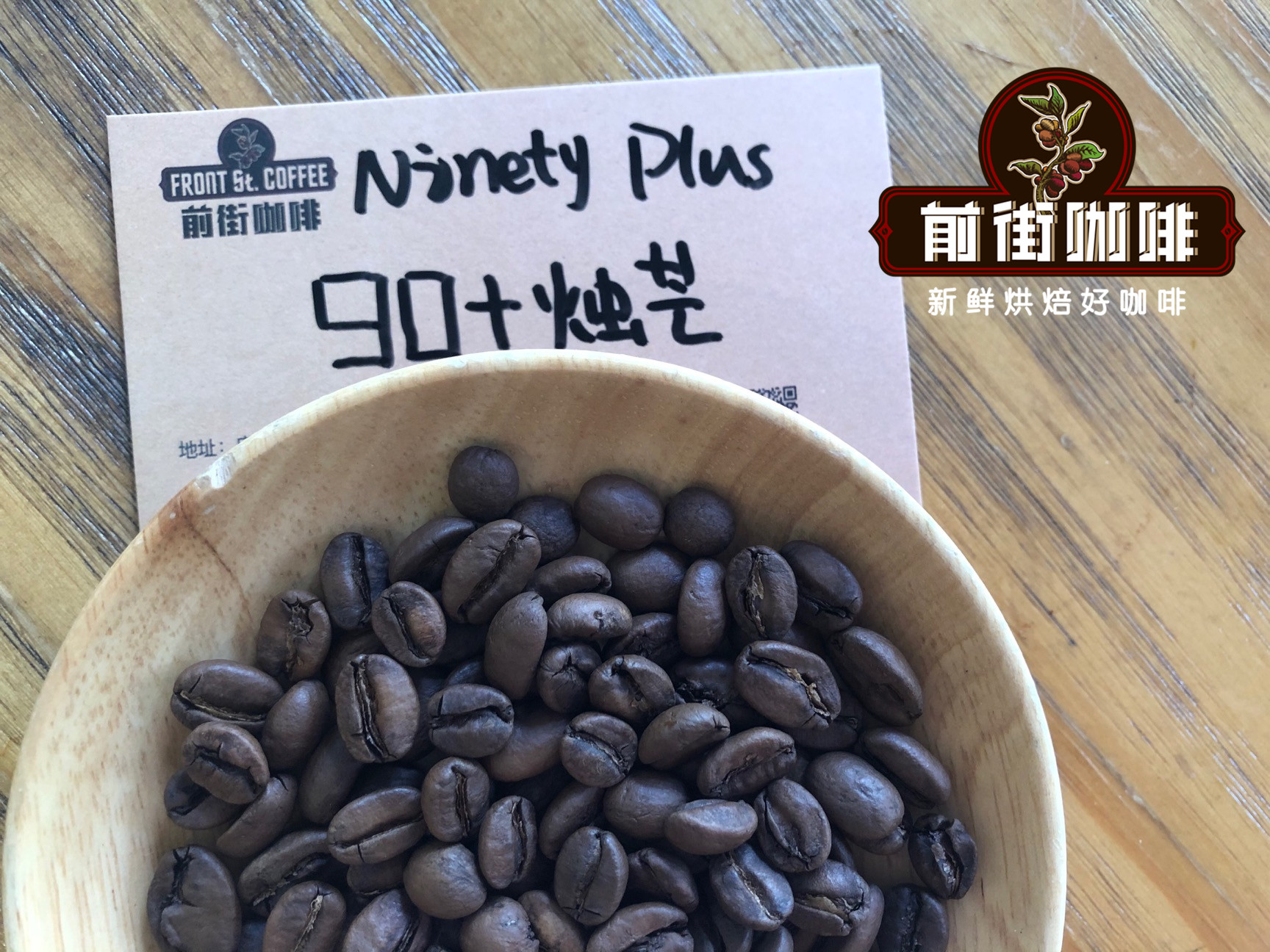
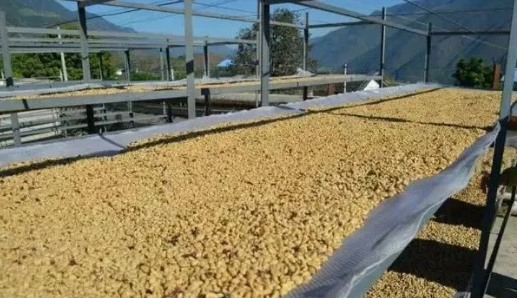
Differences in processing directly affect the final cup. Drima Zede uses Ethiopian heirloom coffee cherries, insists on fully hand-selecting the best ripe fruit, and innovatively uses raised-bed drying instead of traditional concrete patio sun-drying. This suspended drying method heats the beans evenly, reduces the absorption of off-flavors, and better preserves bright berry notes and delicate floral aromas. Observing the green beans, one can see uneven sizes, which stems from the diversity of Ethiopian heirloom varieties and the characteristics of the local grading system—this is not a defect but may instead harbor more complex flavor layers.
The roasting stage requires special attention to the traits of heirloom varieties. A medium-light fast roast is recommended; when the bean surface shows fine wrinkles and gives off a transitional aroma shifting from toast to coffee, it enters the key stage just before first crack. Precisely controlling development time balances acidity sharpness with sweetness persistence, laying the foundation for subsequent extraction.
For home brewing, you can refer to the following proven parameter plan: use 90-91°C water and a 1:15 coffee-to-water ratio (15 grams of coffee to 225 milliliters of water). The staged pouring strategy is as follows: first, bloom with 30 grams of water for 30 seconds to activate, then pour in a small stream in circles up to the 125-gram mark, pause briefly, then continue pouring to 225 grams to complete extraction, with the total time controlled at about 2 minutes. These parameters effectively highlight Drima Zede's signature bright acidity and multi-layered fruitiness.
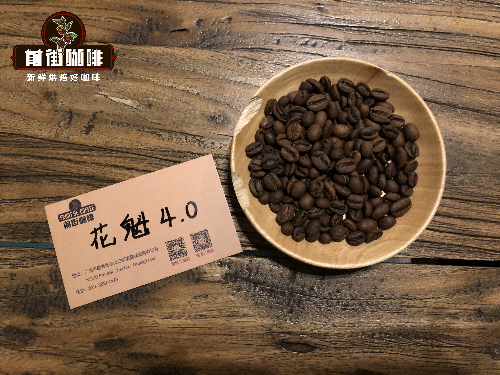
When actually tasting, Drima Zede shows prominent berry flavors (such as blackcurrant and red raspberry), accompanied by a creamy, dense mouthfeel and a sweet tropical-fruit finish. The balance of acidity and sweetness is excellent, and the aftertaste is clean with no astringency. Compared with the sun-dried Red Cherry bean from the same region, the latter's sweetness is more direct and intense; compared with Flower Queen 4.0, Drima Zede's floral dimension is more fragrant, and although its body is slightly inferior to top batches of Flower Queen, its unique purity remains distinctive.
For consumers who prefer Sidamo flavors, it is recommended to try a comparative experience of different processing methods: sun-drying generally strengthens sweet orange notes and a full body, while Drima Zede's washed-sun-dried hybrid process creates a third possibility between fresh and intense. Note that parameters should be adjusted according to the brewing device—for example, when using a V60 dripper, the bloom time can be appropriately extended to 45 seconds, while for an AeroPress it is recommended to raise the water temperature to 92°C to fully release aroma molecules.
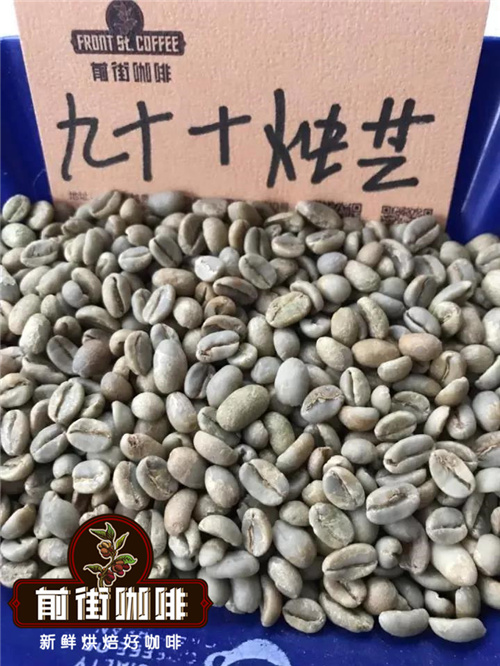
When purchasing, pay attention to the natural variation in the appearance of green beans; uneven size is a normal phenomenon of heirloom varieties. For storage, it is recommended to use a sealed canister with a one-way exhaust valve and keep it away from light at 18-22°C; the optimal flavor period is about 2-4 weeks from the roasting date. After mastering these details, you will be able to more fully appreciate the unique place of this Ethiopian specialty coffee on the flavor spectrum.