Brazil Pulped Natural Coffee: Flavor and Processing Guide
Introduction: As the world's largest coffee producer, Brazil's pulped natural processing method is unique. This article takes an in-depth look at this innovative process that combines natural sun-drying with mechanical efficiency, revealing the transformation of Brazilian coffee's quality from field to cup. By understanding the unique mucilage drying technique, precise moisture control, and the resting stage, you will grasp the key factors for selecting high-quality Brazilian beans and get practical parameter recommendations for pouring over this type of medium-dark roast bean.
In the history of specialty coffee, Brazil was long labeled a 'mid-to-low-grade producing region' because large-scale natural processing led to inconsistent quality. To reverse this, the country pioneered the pulped natural method in the 1990s, successfully improving flavor consistency significantly while maintaining yield.
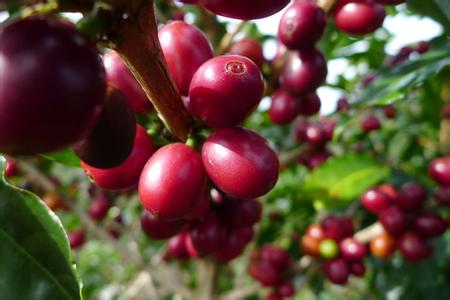
Brazil's vast coffee plantations generally use mechanical harvesting for efficiency. When about 75% of the coffee cherries in the orchard show the red ripeness marker, large harvesting machines begin work. After picking, the coffee cherries must be immediately pre-sorted—removing unripe or defective beans through water-channel density separation, a step identical to the front end of washed processing.
The watershed in the process comes after depulping: unlike traditional washed methods that send the mucilage-covered pods to fermentation tanks, Brazilian pulped natural sends the pods with adhering mucilage directly to open-air drying patios. Thanks to Brazil's uniquely favorable dry climate, these sugar-rich mucilage layers typically form a protective hard shell in just about 1 day.
The subsequent drying stage requires strict control: workers must turn the pods every few hours to ensure even heating inside and out. In environments with average daily temperatures above 25°C, 2-3 days of direct sunlight can bring the mucilage moisture content down to a safe range. To prevent the surface from over-drying while moisture remains trapped inside, experienced farms use layered turning techniques.
After natural drying, the pods enter the mechanical drying stage, ultimately bringing overall moisture content precisely into the ideal range of 10.5%-12%. These pre-treated pods are stored in well-ventilated containers to rest for about 10 days; this buffer period effectively stabilizes flavor characteristics and reduces quality fluctuations during transport.
The final step before export is removing the parchment shell—this natural protective layer slows oxidation during long-term storage. After grading and sorting, the resulting green coffee retains the full-bodied base of natural processing while offering a cleaner cup, particularly suited to pour-over enthusiasts who prefer rich nutty notes.
For home brewing, a water temperature of 92-94°C with a medium-coarse grind is recommended; a staged extraction method better highlights these beans' caramel sweetness and balanced acidity. With these processing details in mind, you'll be able to judge quality more accurately the next time you buy Brazilian coffee.


