Drip Bag Coffee with Milk: Water Temperature, Timing, and Latte Flavor Guide
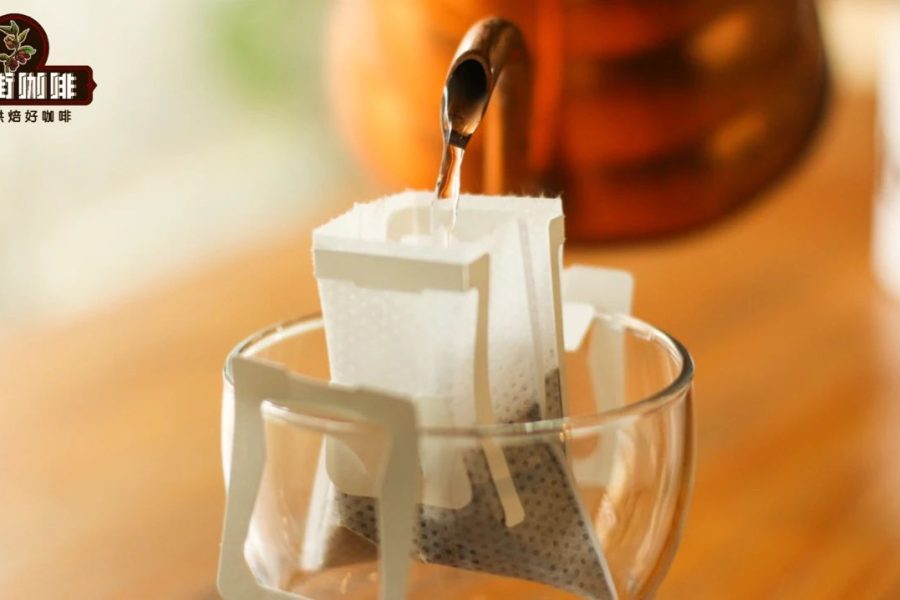
Introduction: Can drip bag coffee produce a latte-style milk coffee? The answer is yes, but the method needs adjusting. This article details three practical approaches—stirred extraction, simmering to blend, and overnight steeping—and explains the optimal water temperature, coffee-to-water ratio, and timing to help you recreate a rich, full-bodied milk coffee at home with drip bags and avoid common pitfalls.

Recently I've received many questions about drip bag coffee, and the most frequent one is: 'Can I make a latte with drip bags?' Directly replicating the espresso process is indeed difficult (it requires professional pressure equipment), but if the goal is a 'milk drink with a rich coffee aroma and balanced texture,' adjusting the brewing method makes it entirely achievable.

It should be clear that brewing drip bags directly with milk does not work—milk itself is too concentrated to effectively extract the coffee's flavor compounds (see previous experimental data). To make a balanced milk coffee, the key is to first extract coffee liquid of sufficient concentration, then mix it with milk. This article shares three unconventional but efficient drip bag + milk methods.

Method one: Stirred extraction for concentrated coffee (recommended). This method uses physical stirring to accelerate flavor release, extracting high-concentration coffee with less water at normal pressure. Medium-dark roasted drip bag beans (such as varieties with creamy peanut notes) are preferable, as they more easily yield a full-bodied cup and pair better with milk. If you only have light-roasted beans on hand, you can also adjust the parameters.

Specific steps: Combine two 10g drip bags (20g total coffee), using a thin stirring stick. Pour in 80ml of 100°C hot water (coffee-to-water ratio 1:4), with a total extraction time of about 2 minutes. First pour 30ml of hot water for a 30-second bloom—at this point stir gently so the coffee grounds at the bottom are evenly wetted (note: the combined bed of grounds is thicker, so pour slowly with a thin stream). After the bloom, add the remaining 50ml in 2-3 stages, stirring continuously after each pour until the liquid has fully drained, repeating until the total water amount is reached. Testing shows this method yields about 47ml of coffee liquid at roughly 6.95% concentration and around 17% extraction, with complete flavor layers.

Once you have the concentrated coffee liquid, add milk to taste. A coffee-to-milk ratio of 1:3 is recommended (e.g., 47ml coffee with 148ml milk) to avoid over-dilution affecting the overall flavor. This method has a low barrier to entry and suits quick daily home preparation.

Method two: Simmering to blend (details matter). Put the drip bag and milk directly into a pot and simmer together (ratio 1:5); after boiling, turn to low heat or use residual heat for 2 minutes, stirring constantly to prevent overflow. This method uses the high-temperature environment to extend flavor dissolution time, but has two clear drawbacks: first, some heat-sensitive compounds in milk (such as sweetness components) are damaged by sustained high heat, resulting in a thinner texture; second, the filtering step is cumbersome—drip bag filters have poor permeability in hot milk and require an additional strainer, and cleaning is more troublesome. Unless for special occasions, method one is preferable.

Method three: Overnight steeping (trading time for convenience). Place the drip bag and milk at a 1:5 ratio into a sealed container (such as a glass jar), steep at room temperature or refrigerated for 8 hours or more, and remove the drip bag the next day. This method uses an extra-long extraction time to let the milk fully absorb the coffee flavor, requiring no complex operations, but it needs planning ahead (suitable for pre-prepared needs). There are no special bean restrictions, but flavor release is slower than active stirring.

Summary: For efficiency and flavor balance, choose the stirred method first; if you want to simplify the process and don't mind a slightly longer prep time, overnight steeping is the hassle-free choice; simmering can serve as a backup option, but you must accept possible loss of texture. Whichever method you use, precisely controlling water temperature (typically 100°C), coffee-to-water ratio, and timing will significantly improve the final result.