The Complete Guide to Iced Coffee: Cold Brew, Ice Drip and Hand-Pour Methods Plus Bean Flavor Guide

Introduction: Want to make a cup of iced coffee with excellent flavor easily at home? This article explains in detail the core differences between the three mainstream iced coffee brewing methods—cold brew, ice drip and hand-pour—from water temperature control to extraction time, and provides precise parameter references. It also selects five high-quality coffee beans suited to a variety of extraction methods, covering different flavor profiles such as floral-fruity notes and full-bodied balance, and includes selection advice and brewing precautions to help you find your own summer coffee recipe.
Whether in the heat of summer or the cool of autumn, iced coffee remains a frequent star on social media. But have you ever thought that making a cup of iced coffee with a unique flavor yourself is actually not complicated? From the classic iced americano to the niche ice drip, the taste differences brought by different extraction methods can be several times over. Master the right methods and bean choices, and you can recreate a cafe-level iced drink experience at home.

The iced coffee family has many members: iced americano presents a clean acidity through espresso diluted with ice, iced latte neutralizes the coffee's sharpness with milky sweetness; iced hand-pour relies on high-temperature extraction followed by rapid cooling to lock in aroma; while cold brew and ice drip use low-temperature slow extraction throughout, better highlighting the coffee's body and sweetness. Each method has different requirements for the roast level and processing method of the coffee beans, and choosing the right raw material is the first step to success.
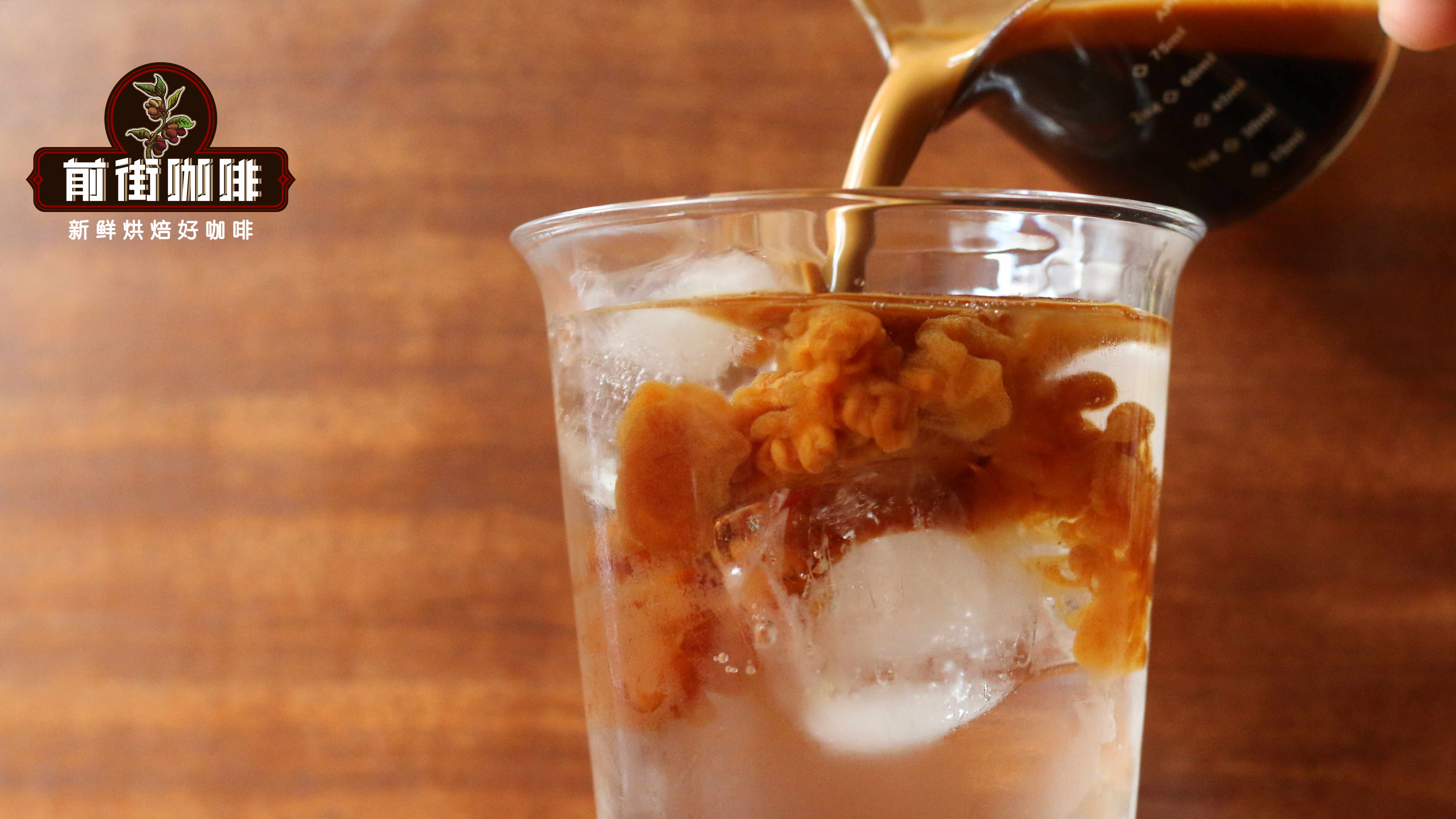
Ideal iced coffee beans need to meet three conditions: medium roast to balance acidity and bitterness, clear floral-fruity notes to enhance layers, and a stable processing method to ensure clean flavor. Too light a roast easily leads to abrupt sourness and astringency, while too dark a roast masks delicate flavors; high-temperature fast extraction suits bright fruit acidity, while low-temperature slow extraction needs rounder body for support.
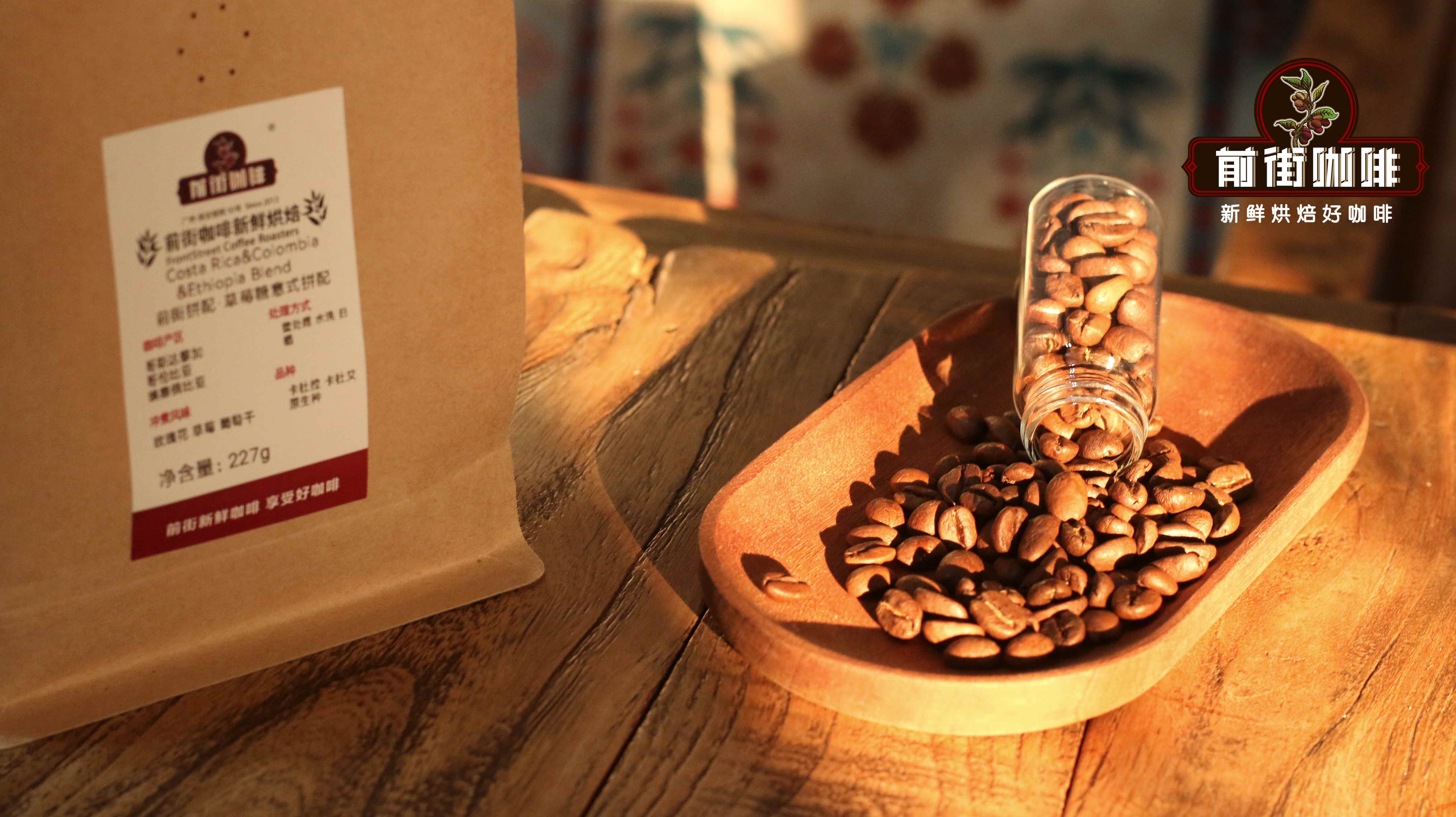
Blends from mixed origins often bring pleasant surprises—high-altitude washed beans provide citrus acidity and a floral base, paired with the caramel sweetness and body of honey-processed beans, forming multi-dimensional flavors of caramel, raisin and rose after medium roasting. Such beans are extremely versatile: cold brew can be extended to 20 hours to strengthen sweetness, and for ice drip a drip rate of 0.5-1 drop per second is recommended for a clearer taste.
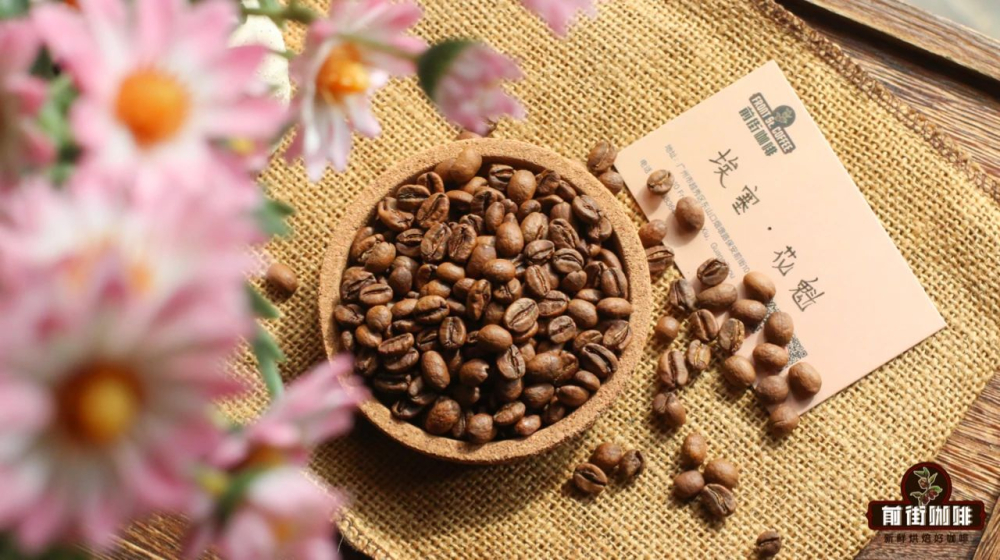
Natural-process specialty beans are especially suitable for making iced hand-pour directly: the fermented tropical fruit aroma is fully released during high-temperature brewing, and the sweet-to-sour ratio naturally transforms after adding ice. Note that the coffee-to-water ratio is recommended to be adjusted to 1:12-1:15 (regular hand-pour is 1:15-1:18), with a water temperature of 90-92°C to avoid over-extraction, and a central spiral pouring technique to ensure even extraction.

Coffee beans with special processing methods can inject unique character into iced coffee: the honey processing method, which retains pectin, gives honey sweetness and a berry finish; when making ice drip, it is recommended to use food-grade silicone tubing and change the water daily to prevent bacterial growth; double anaerobic fermentation beans highlight an explosive tropical fruit sensation, and adding a small amount of salt (0.5g per liter of water) during cold brew can balance excessive fruit acidity.
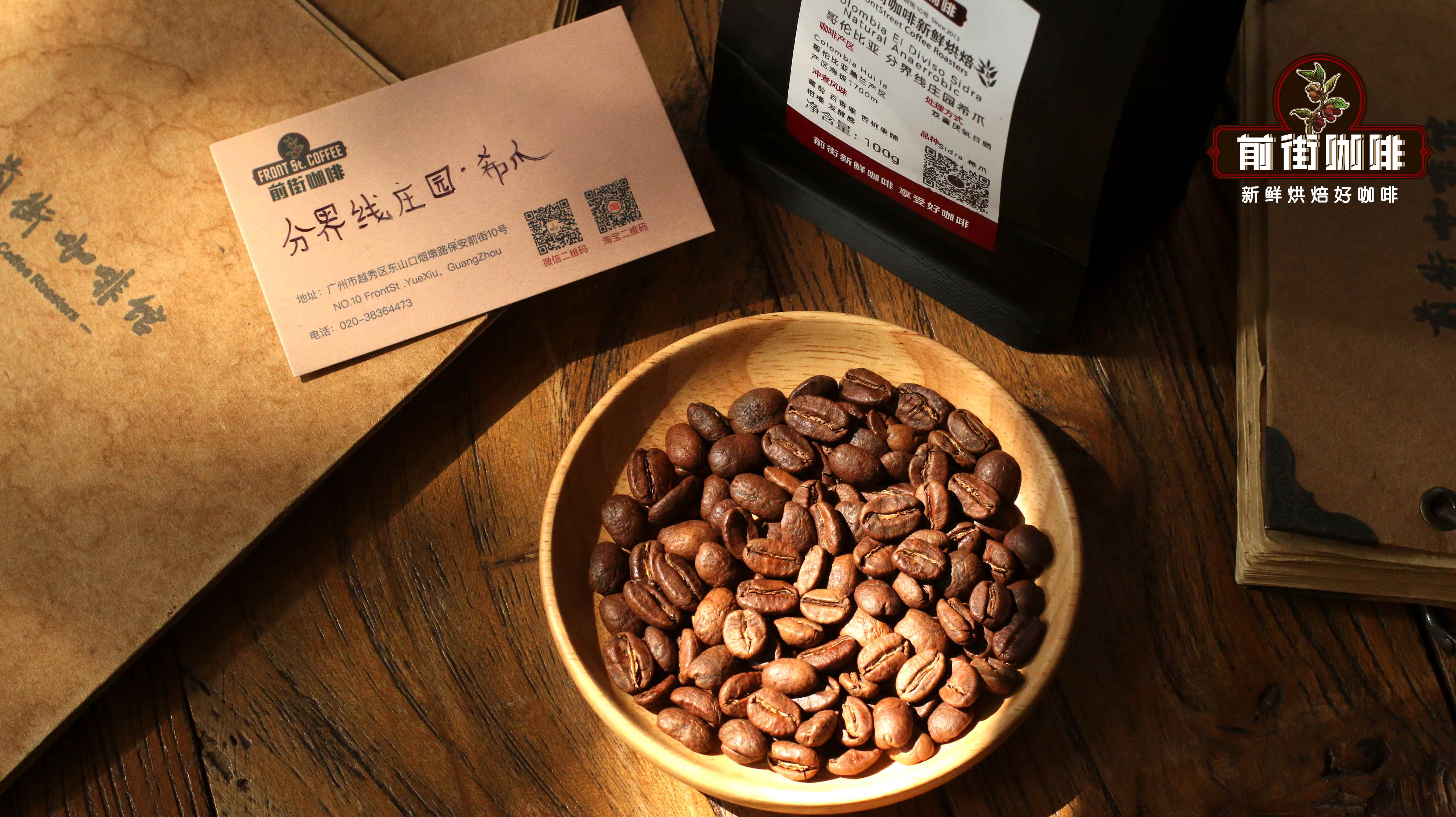
Coffee beans grown at high altitude usually have a firmer structure, suitable for long low-temperature extraction. Beans above 1,700 meters have thicker cell walls and can still maintain a lively taste after 24 hours of cold brew; paired with the winey fermented flavor produced by anaerobic processing, they are truly a summer refresher. Note that the grind should be 10-15% finer than daily hand-pour (about 75% passing a Chinese standard No. 20 sieve) to compensate for the slow extraction efficiency at low temperature.
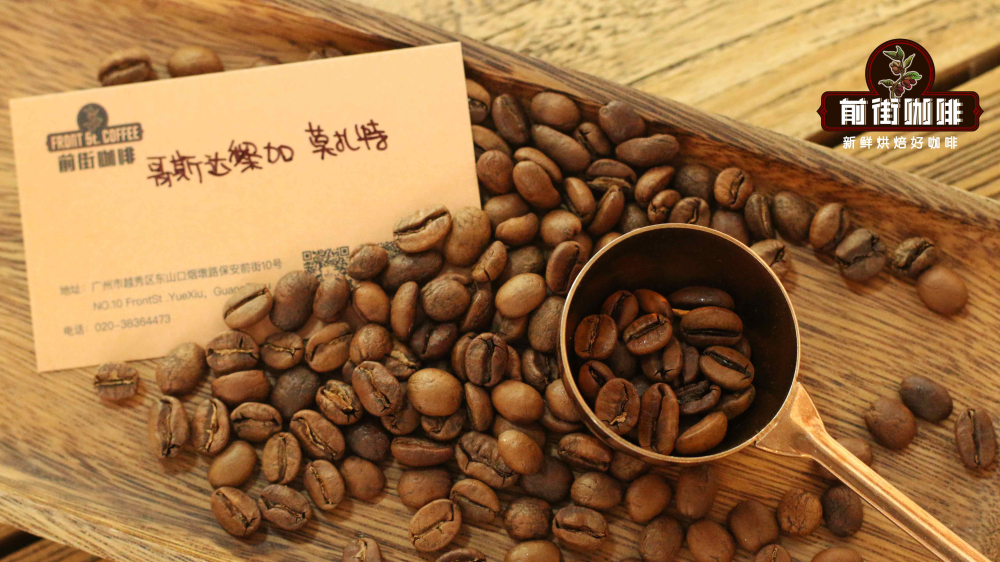
Raisin honey-processed coffee beans have a natural sweetness, and the esters produced by fermentation become more prominent after chilling. When making iced americano, a coarse grind (similar to sea salt granules) is recommended, extending the extraction time to 4 minutes to fully release the body; if choosing ice drip, the drip rate can be controlled at 0.3-0.5ml/min, paired with an activated carbon filter sheet to remove possible off-flavors, and the final product will present a complex flavor of blueberry, blackcurrant and subtle winey notes.


