Clever Coffee Dripper Guide: Flow Rate and Brewing Parameters
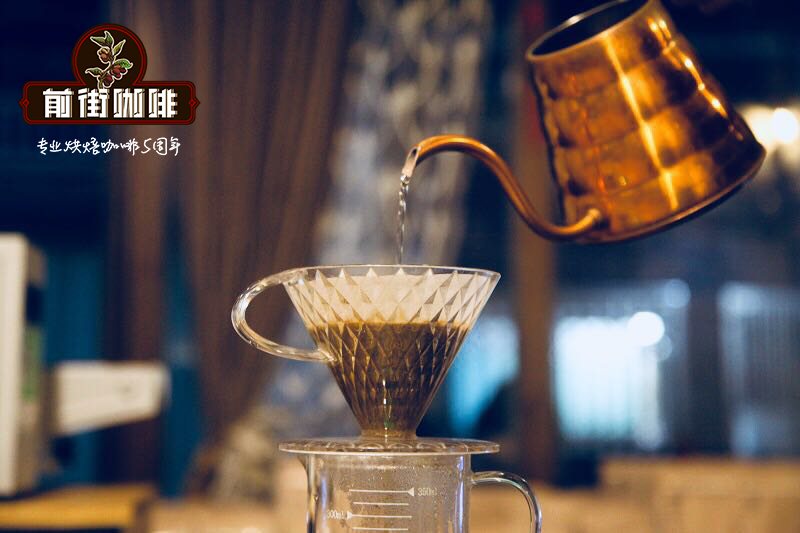
Introduction: The Clever Dripper is a convenient coffee device that combines the strengths of the French press and the filter cone, enabling precise immersion extraction. This article explains how it works, provides a standard brewing process using 25 grams of coffee grounds, focuses on matching the flow rate to the grind size, and shares tips for adjusting flavor, helping you easily master this cost-effective pour-over tool.
This filter cone known as the "Clever Dripper" uses its unique design to significantly improve the quality of home coffee brewing. Its core innovation is the silicone valve structure at the bottom—water begins dripping only when the dripper is tightly seated on the receiving vessel. Made of food-grade plastic, it is not only durable but also easy to disassemble and clean, and a single brew delivers a clean cup with rich layers of flavor.
Unlike traditional drip devices, the Clever Dripper achieves "immersion extraction" through a physical valve. Just as a French press can steadily control steep time, it allows the coffee grounds to fully contact the hot water; and like a filter cone, it filters through paper to prevent sediment from interfering. This full-immersion extraction method gives the user three degrees of control: precise water temperature (90-94°C recommended), freely adjustable coffee-to-water ratio (commonly 1:15 to 1:16), and flexible steep time of 2-4 minutes.
Before use, prepare the following equipment: 25 grams of freshly roasted medium-light roast coffee beans (Ethiopian or Colombian origins recommended), drinking water treated with a water softener, original filter paper (diameter matching the cup rim), a professional grinder (grind setting recommended between coarse sugar and sea salt), a glass server of 300 ml or more, and a scale and timer. Special note: before use, rinse the filter paper with hot water to remove the papery taste, and preheat the entire brewing system at the same time.
The standard brewing process is divided into eight key steps: first, heat water to boiling and set aside, fold the filter paper into a cone shape and place it in the dripper; next, pour in 50 ml of hot water to pre-wet the filter paper and preheat the dripper at the same time (letting it sit for 30 seconds works better). Grind the coffee beans to a particle size similar to coarse salt (about 800-1000 microns), immediately weigh out 25 grams and put them into the dripper. For the first pour, add 30 ml of water and let it bloom for 30 seconds; this stage releases carbon dioxide and activates the aroma molecules.
Start the timer and begin the main pour: slowly pour the remaining hot water up to the target level (usually 300-350 ml), and use a bamboo stirrer to gently stir twice in a "no"-shaped path, taking special care to break up clumps of coffee grounds on the surface. Immediately put on the anti-scald lid to keep the temperature, and time the steep period precisely for 2 minutes. Near the end, gently scrape the surface again with the stirrer to prevent fine particles from gathering and affecting the flow rate.
At exactly 3 minutes, place the dripper vertically onto the preheated server, paying attention to the seal—the valve will open automatically under gravity. With a good brew, the coffee should finish dripping within 60-90 seconds. If you observe an abnormal flow rate, you can optimize by adjusting the grind: when the brewed coffee tastes weak and drains within 1 minute, the grind is too coarse and should be made half a step finer; conversely, if there is obvious bitterness and dripping takes more than 2 minutes, adjust the grind coarser and check whether the dose is excessive.
Advanced tips: coffee beans from different regions require differentiated handling—for light roasts, extend the steep to 3 minutes 30 seconds and pair with a finer grind; dark roasts suit a 2.5-minute steep with a medium-coarse grind. When the seasons change, pay attention to water temperature compensation: in winter, when the ambient temperature is lower, raise the water temperature by 1-2°C; in summer, keep it within the standard range. Regularly soaking the dripper's valve core in a baking soda solution effectively maintains the switch's sensitivity and extends its service life.


