Ethiopian Coffee Grades Explained: Regions, Flavor and Pour-Over Picks
Introduction: Ethiopia is globally recognized as the birthplace of coffee, and its beans are celebrated for their rich and varied flavors. This article takes an in-depth look at Ethiopia's coffee grading system, the terroir characteristics of nine core regions, and the cultural significance of the traditional coffee ceremony. From the differences between washed and natural processing to practical buying advice based on the G1/G2 grading standards, this guide will help you fully grasp the essence of Ethiopian coffee.

In the Kaffa forests of southern Ethiopia, more than 5,000 native coffee varieties are still preserved today. In this country, widely recognized as the origin of coffee, coffee culture is deeply woven into the social fabric. As Africa's largest coffee producer, only about 60% of local coffee is exported; the rest is commonly used in wedding ceremonies or traditional medicinal drinks. This coffee tradition, in which the whole population participates, has given Ethiopian coffee its unique position in the specialty market.

The coffee ceremony is arguably the cultural heart of Ethiopia. The complete process includes three stages—roasting, grinding and brewing—and takes about 90 minutes. The woman presiding over the ceremony serves three cups of coffee in turn: the first, the bitter Abol, is for serious conversation; the second, Tona, continues the exchange of flavors; and the final, sweet Baraka, symbolizes reconciliation. This social ritual, comparable to the Japanese tea ceremony, is even regarded as a bond that maintains harmony among more than 80 ethnic groups. The local proverb "Buna dabo naw" (coffee is bread) vividly expresses coffee's fundamental place in the diet.

Coffee cultivation in Ethiopia shows distinct regional characteristics: 90% is run by smallholders, with an average plot of less than 4 hectares, concentrated at altitudes of 1,000–2,300 meters. By cultivation pattern, it falls into four categories—forest coffee growing naturally in primary forest (8–10%), semi-forest coffee under partial management (30–35%), garden coffee grown in household yards (50–55%), and commercial plantations (5–6%). This diverse cultivation system directly influences the complexity of the coffee's flavor.

After modern administrative boundary changes, the former Sidamo Province was split into the independent Sidama State and the Gedeo Zone of Oromia State, leading to a mix of old and new region names in the market. Among the key regions, Yirgacheffe is known for its garden system at 1,800–2,000 meters, and its signature jasmine aroma and citrus notes stem from a unique innovation in washed processing. The washed technique introduced from Central and South America in 1972 made the regional character of this area's coffee clearer, while later improvements to the natural process gave it richer fermentation layers.

The coffee system of the Sidama region also deserves attention; its 1,400–2,200 meter environment produces pronounced berry notes. Notably, competition-level coffee from the Guji region (formerly part of Sidamo) has in recent years successfully balanced floral and fruity aromas with a caramel finish through light-to-medium roasting. The Limu region stands apart from other regions with its lower altitude (1,200–2,000 meters) and distinctive brown sugar aroma, and is mainly exported to European and American markets.

The Harar region is a model of natural processing; its high altitude of 1,500–2,400 meters combined with average annual rainfall of 1,000 mm creates its signature fermented, complex aroma. Note, however, that quality has fluctuated in recent years, so cupping is recommended to confirm quality. As the largest producer of commercial beans, the Jimma region's mixed-forest coffee may mask some variety characteristics, but its clean flavor profile still makes it a good choice for blend components. Other regions such as Illubabor and Gimbi Lekempti are known for balanced acidity and sweetness and relatively high body.

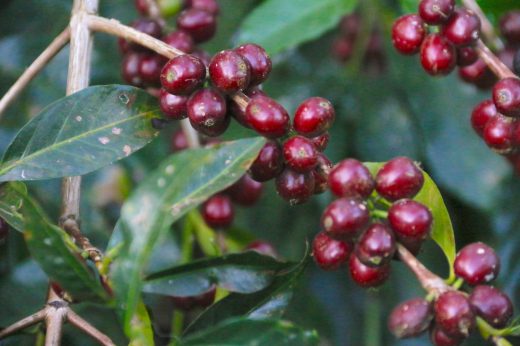
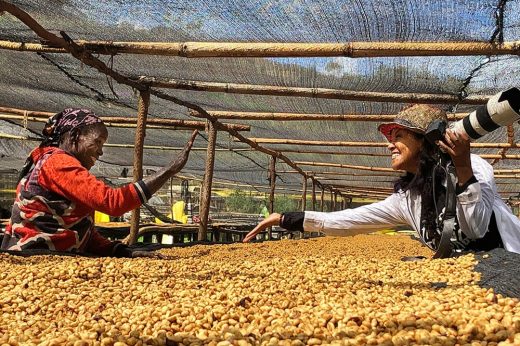
In terms of processing methods for specialty coffee, washing accounts for a higher share: after flotation to remove floaters, the fruit is pulped and fermented to remove the mucilage, then dried under controlled temperature to 12% moisture content. This method highlights bright acidity and clear floral and fruity aromas, while the natural method dries the whole fruit, retaining more sugar and producing a richer sweetness. The emerging Red Cherry program requires hand-picking of fully red cherries and standardized processing, further improving the consistency of specialty beans.

Ethiopia's coffee variety system is extremely rich; of nearly 2,000 registered varieties, 1,927 are native. Because mixed cultivation is the norm, green beans often vary in size. In recent years, the COE competition has begun using numerical codes (such as 74158 and KURUME) to identify specific varieties. Among them, the lesser-known West Arsi region won nine award places in the 2022 competition.

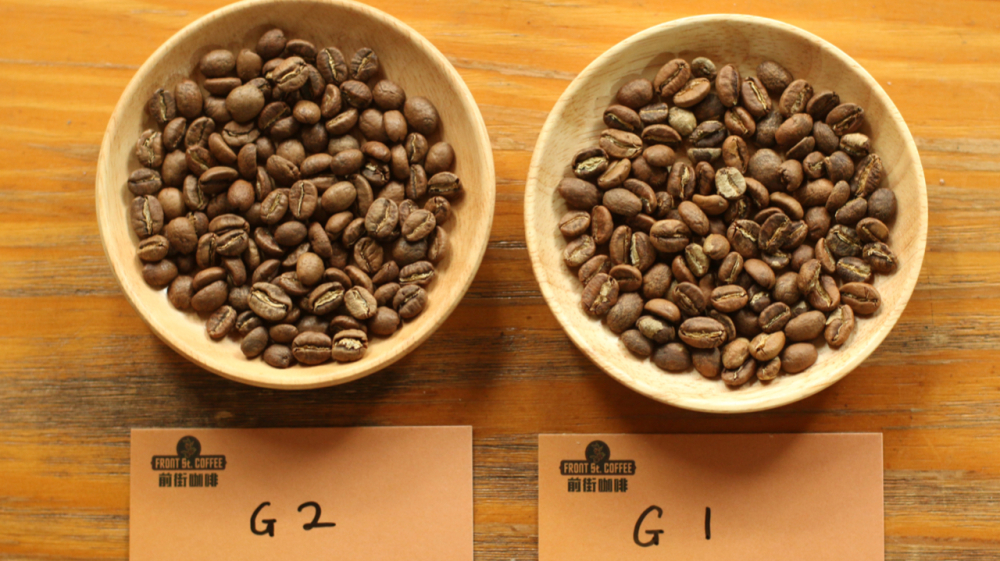
The grading system uses dual standards: the ECX classifies green beans by defect count into G1 (≤3 defects per 300 g) and G2 (4–12 defects per 300 g); SCA cupping further divides quality into Q1 (≥85 points) and Q2 (80–84.75 points). When buying, it is advisable to prioritize G1 washed beans, whose typical clear acidity and citrus notes are better suited to pour-over, while G2 natural beans offer a richer, fuller body. Note that in actual trading, buyer and seller standards for defects may differ.

From traditional ceremony to modern grading, Ethiopian coffee demonstrates the full depth of the supply chain. Whether you are a natural-process fan seeking floral and fruity aromas or a washed-coffee devotee who prefers bright acidity, you can find a favorite in this coffee gene bank. Understanding each region's altitude characteristics and processing traditions will help you more precisely explore the myriad flavors of Ethiopian coffee.