Ethiopian Yirgacheffe SOE Espresso Review: Bean Flavor and Brewing Guide
Introduction: Ethiopian Yirgacheffe, a world-renowned specialty coffee region, has seen its single-origin espresso (SOE) attract considerable attention in recent years. This article provides an in-depth analysis of Yirgacheffe SOE's flavor characteristics, standard espresso doses, and key extraction parameters for home and commercial use. Through comparison of actual flavor performance, it helps coffee lovers master the brewing techniques and flavor potential of this classic bean.
The Yirgacheffe region, nurtured in Ethiopia's coffee gene pool, is known for its high altitude and complex microclimate. Among them, the SOE coffee beans processed from the native Gesha variety have emerged prominently in the specialty coffee field in recent years. Unlike the tea-like flavor of Panama Gesha, this bean variety, produced at the border of the Kochere and Gelana Abaya regions, presents a unique bright acidity and multi-layered fruit aroma through raised-bed sun-drying processing.

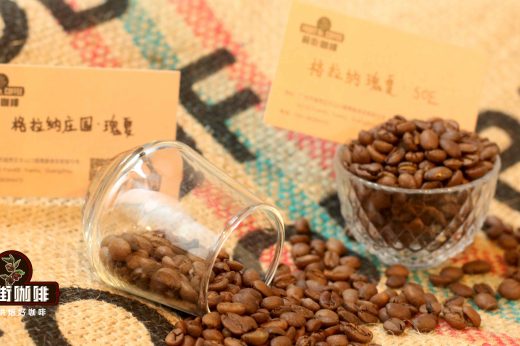
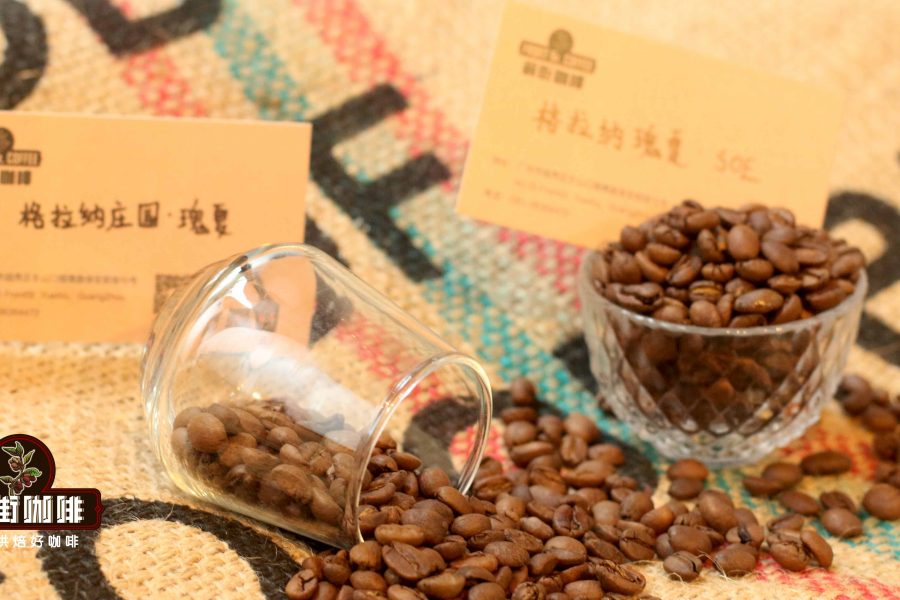
In espresso applications, Yirgacheffe SOE displays a distinct yellow floral base, with a fresh citrus note reminiscent of bergamot detectable on entry. The mid-palate develops an active berry sweet-tartness, while the finish extends into a strawberry-like sweet aftertaste. This flavor structure makes it both a high-quality choice for single-origin pour-over and a capable base for espresso.
When making standard espresso, a single dose is typically controlled within the 7-9 gram coffee grounds range, with extraction time recommended at 20-30 seconds. For high-acidity varieties like Yirgacheffe, it is recommended to adjust the grind to medium-fine to fine (approximately 75%-80% passing through a No. 20 sieve) to balance the sweet-tart expression. Of particular note, this variety tends to highlight sharp acidity when under-extracted, while over-extraction leads to the emergence of nutty off-flavors.

When used for milk coffee, Yirgacheffe SOE's floral and fruity notes undergo an interesting transformation. The fat in milk softens the sharp acidity, highlighting the underlying caramelized sweetness and yellow floral aroma. Actual test data shows that using 18-20 grams of grounds to extract a double espresso, paired with 150-180 ml whole milk, achieves the best strawberry cake flavor balance. It is recommended to maintain medium-low speed when steaming milk to avoid overheating and damaging the delicate flavors.
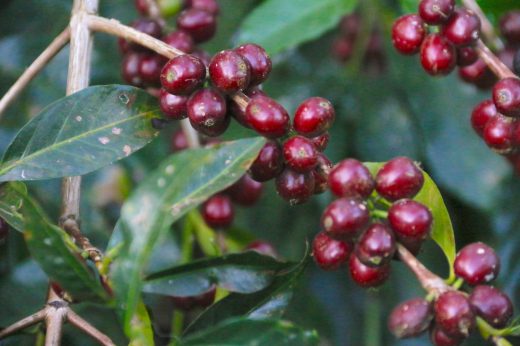
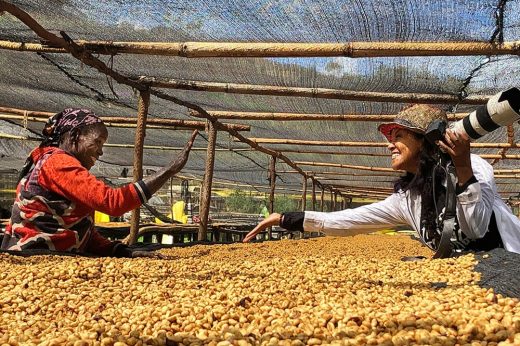
The cultivation background of this coffee bean is also worth noting. Its raw material comes from a high-mountain processing station at 1800-2000 meters altitude, an area with over 700 hectares of pristine rainforest ecosystem. The plantation retains a large number of natural shade trees, which, combined with fertile volcanic soil, provides an ideal growing environment for coffee cherries. During harvest, fully red ripe fruits are strictly selected and processed through 14-20 days of raised-bed sun-drying, allowing sugars to slowly permeate into the coffee beans.

Key parameters in the processing stage include: maintaining bean surface moisture at 50%-55% during the initial sun-drying period, raising it to 60% during the middle stage to promote pectin conversion, and gradually reducing it to 45% in the final stage to complete drying. This stepped temperature-control process creates Yirgacheffe SOE's distinctive clearly layered flavor curve—from a bright citrus front, transitioning to a full berry mid-palate, and finally settling into a warm caramel finish.
For home espresso machine users, it is recommended to prioritize 9-12 Bar pump pressure models and pay attention to water temperature control during the pre-infusion stage (92-94°C recommended). If using traditional equipment such as a moka pot, it is recommended to adjust the grind coarser to a texture close to fine sugar and shorten heating time to within 1 minute 30 seconds to avoid over-extraction leading to woody flavors.