Ethiopian Coffee Regions: Yirgacheffe vs Sidamo Flavor and Variety Differences
Introduction: As the birthplace of coffee, Ethiopia's Yirgacheffe and Sidamo regions are known worldwide for their distinctive flavors. This article examines the geography, variety characteristics and processing differences of these two specialty coffee regions, explaining why Yirgacheffe is renowned for its fresh citrus notes while Sidamo shows more wild floral and fruity aromas. It includes regional altitude parameters, typical flavor profiles and pour-over recommendations to help you choose the beans you want with precision.
Comparison of Ethiopia's Two Star Regions
When it comes to Ethiopian specialty coffee, Yirgacheffe and Sidamo are always unavoidable topics. Both belong to the southern high-altitude regions, yet differences in microclimate and soil give rise to completely different flavor characteristics: Yirgacheffe is known for bright citrus and jasmine florals, with lively acidity as refreshing as green tea; Sidamo presents complex berries and a red-wine fermentation note, with higher body and a long finish. By analyzing the core parameters and representative varieties of the two regions, coffee lovers can more precisely match their personal taste preferences.

In-Depth Analysis of the Yirgacheffe Region
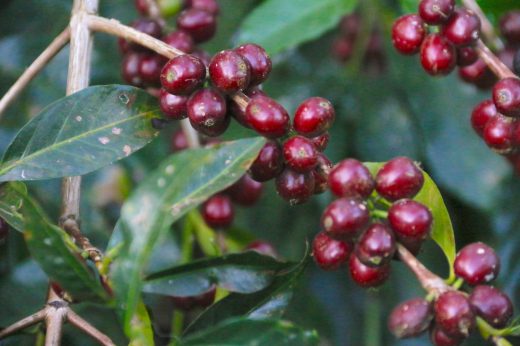
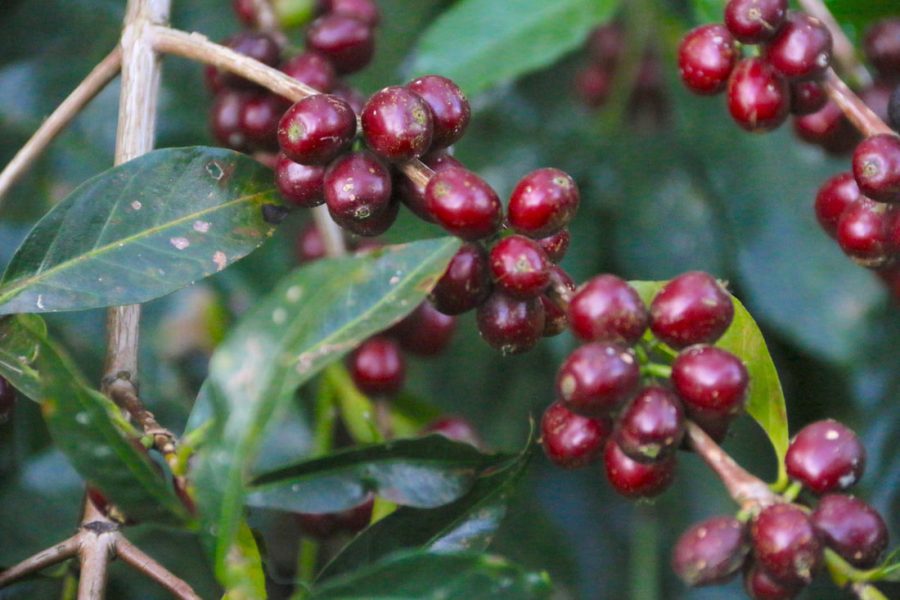
The Yirgacheffe region is located northwest of Sidamo, between 6° and 7° north latitude, with the core growing belt generally at 1900-2300 meters above sea level (such as the Gedeo Zone). The area originally belonged to the greater Sidamo region, but because of its distinctive Kurume landrace varieties (regional native varieties formed through long-term natural selection) and outstanding flavor performance, it became an independent region at the end of the 20th century. Its success rests on three natural advantages: abundant water from annual rainfall of 1200-1800 mm, mineral-rich volcanic red soil, and a cool climate with day-night temperature differences of more than 10°C—together these conditions slow the ripening of coffee cherries and promote the accumulation of flavor compounds.

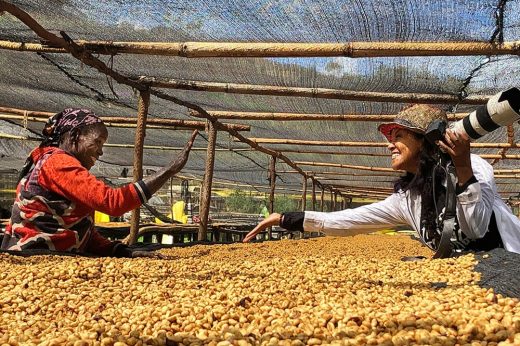
The region covers several legally defined growing areas, including Wanago and Kochere, of which the Gotiti Cooperative (1900-2300 meters above sea level) is a typical example. Natural-processed landrace beans (Heirloom) often carry distinct tropical fruit notes, such as the citrus and black tea top notes common in light-to-medium roasts, gradually revealing cream and caramel in the finish as the temperature drops. Note that the degree of fermentation in natural beans directly affects the intensity of fruit aroma; high-quality lots usually have clear layers of sweetness and a clean, impurity-free mouthfeel.

The Diverse Appeal of the Sidamo Region
The Sidamo region spans altitudes from 1400 to 2200 meters, and its location bordering Kenya gives it both highland and lowland microclimate characteristics. Volcanic ash soil can be up to 2 meters deep, with pH maintained in the mildly acidic range of 5.2-6.0, and with an average annual temperature of 18-22°C, it is especially suited to the diverse evolution of native coffee varieties. According to statistics, among the dozens of local varieties grown in the area, numbered varieties such as 74158 are widely cultivated for their strong disease resistance and stable flavor.
Sidamo beans are smaller and more oval, and washed green beans show a typical pale green color. Its flavor spectrum covers multiple dimensions including berries, black tea and honey; for example, some high-altitude lots (such as those above 2250 meters) after natural processing can present rich jam-like aromas reminiscent of passion fruit and strawberry. Notably, because the eastern plains of Sidamo (such as around Bensa town) have better water retention than the mountains, the coffee produced there often has more prominent sweetness and relatively softer acidity.

Flavor Identification and Brewing Recommendations
For beginners, the two coffees can be distinguished by the following characteristics: Yirgacheffe's citrus notes usually carry the freshness of bergamot or lemon peel, with bright acidity that is short-lived; Sidamo's fruit aromas lean toward ripe berries, and its acidity often balances a full body. In practice, Yirgacheffe suits a water temperature of 90-92°C with a fine grind (75%-80% passing a Chinese standard No. 20 sieve) to highlight its floral and fruity aromas; Sidamo can be brewed at up to 93°C, and a medium-coarse grind better releases its full finish.

Whether you seek a fresh, bright flavor experience or prefer complex, full-bodied layers, these two classic Ethiopian regions offer abundant choices. Remember the core parameters: for Yirgacheffe, prioritize G1-grade naturally processed beans from above 2000 meters; for Sidamo, look for washed or natural beans from volcanic-soil regions and numbered varieties (such as 74158)—this will help you quickly identify your target among many coffee products.