Latte, Mocha or Cappuccino: How to Tell Them Apart
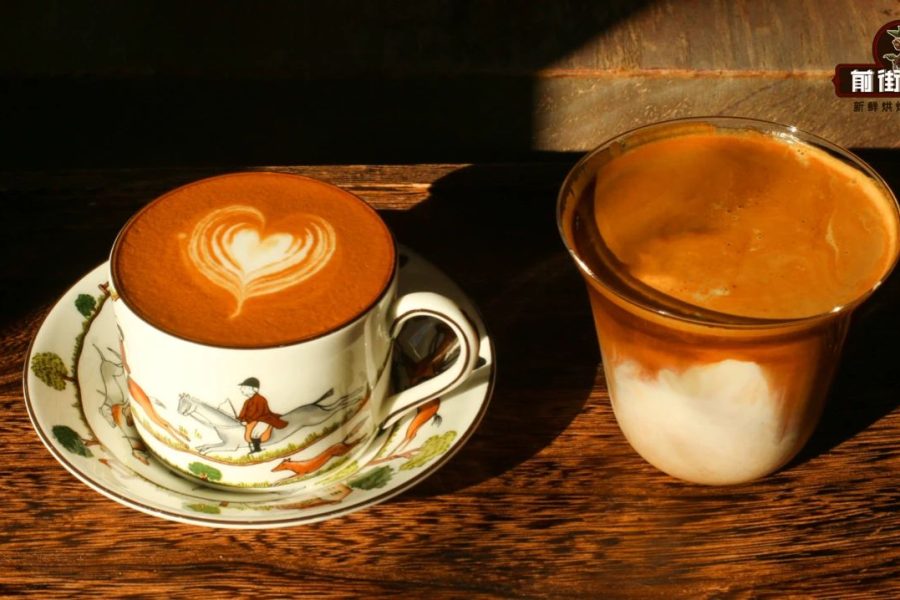
Introduction: Latte, mocha and cappuccino are the most common espresso milk drinks, but many people can't tell them apart. This article compares the recipes, milk foam thickness and flavor profiles of the three in detail, explains which coffee beans and extraction parameters suit each, and offers professional-level milk steaming and integration techniques. After reading, you'll not only be able to tell them apart easily but also recreate café-quality texture at home.
Have you ever hesitated when ordering at a coffee shop, unsure just how a latte, mocha and cappuccino differ? Faced with a menu full of milk coffee options, many people always pick the one they know because they don't understand the rest. In fact, although all three classic Italian coffees are based on espresso, they differ clearly in milk ratio, foam thickness and overall flavor. Understanding their characteristics not only helps you choose a drink that suits your taste but also guides home preparation.
What we usually call espresso is a highly concentrated coffee liquid extracted under high pressure; it is rich and layered in flavor, but its impact on the palate is strong and not everyone can accept it. To suit a wider range of tastes, people took espresso as a base and added different proportions of milk or other ingredients, developing popular milk coffees such as latte, cappuccino and mocha.

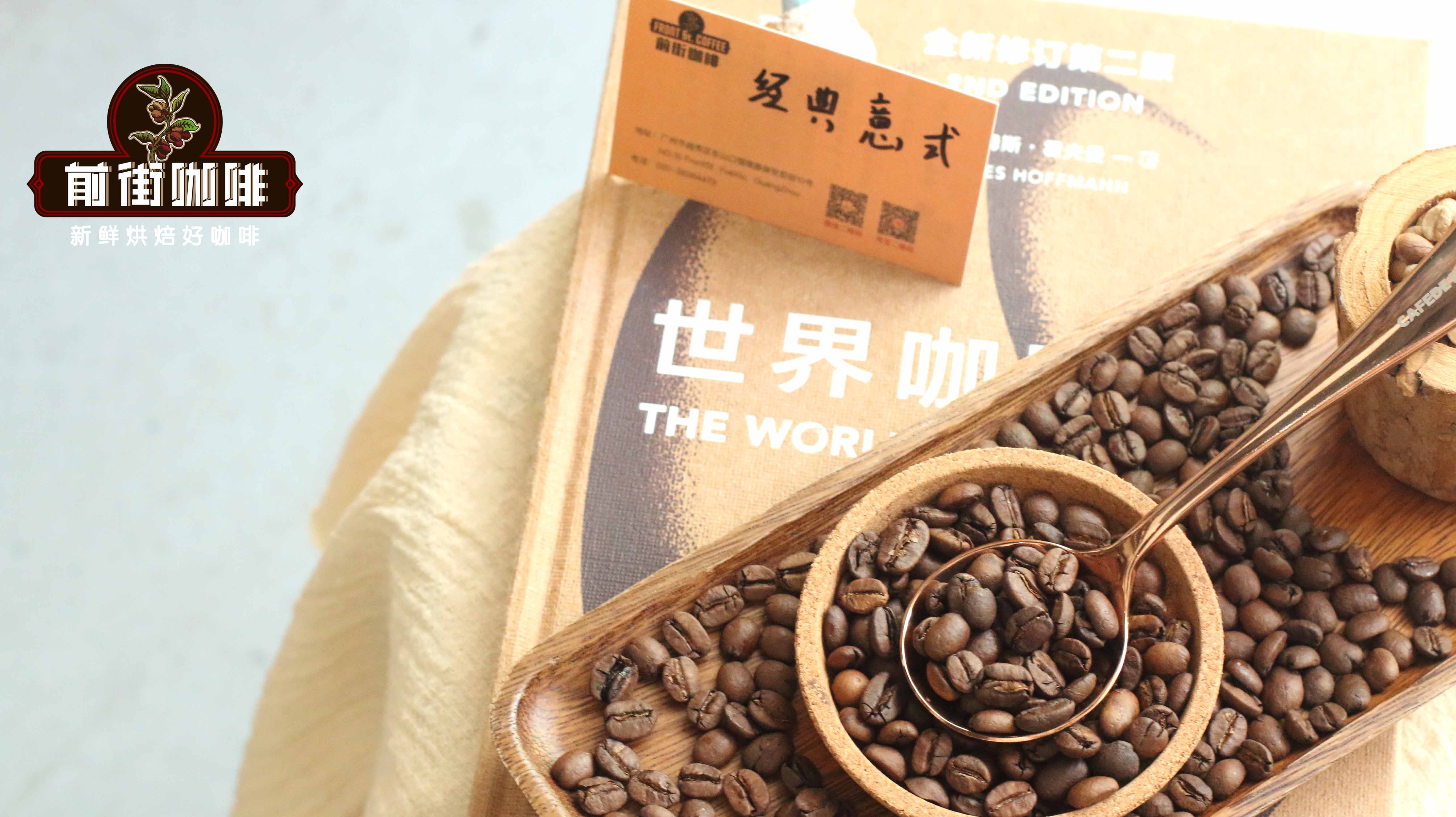
The first step in making these milk coffees is to prepare an espresso machine with a steam wand and choose a medium-dark roasted blend. Such beans usually have a full-bodied mouthfeel and abundant crema, laying a stable flavor foundation for milk coffee. Generally speaking, the final flavor of the coffee depends both on the origin and processing method of the beans and closely on the degree of roast.
When extracting espresso, it is usually recommended to grind the beans very fine, similar to the texture of fine granulated sugar. Fill the filter basket with an appropriate amount of ground coffee, distribute it evenly and tamp it flat, then place it in the machine to extract. Conventional parameters can be taken as: extract 20 g of coffee liquid from 10 g of ground coffee, or 40 g of coffee liquid from 20 g of grounds, with the time controlled between 25 and 30 seconds. According to the aroma, acidity and concentration of the actual extraction, the grind size can be fine-tuned to reach the ideal flavor.







Next is the milk. Use the machine's built-in steam wand to heat cold fresh milk (whole milk with a fat content above 3% is recommended) and steam it into fine, dense foam. The milk temperature is generally kept between 55°C and 65°C; overheating reduces sweetness and affects the mouthfeel. During steaming, keep the steam wand at a suitable angle to the surface to form a fine foam layer with some stability.
Latte is the most balanced milk coffee, with a standard ratio of one shot of espresso (about 20 g of coffee liquid) with 200 ml of milk plus about 1 cm of fine foam. The final drink is about 280 ml; a bowl-shaped cup of around 300 ml is recommended to ensure the foam and coffee liquid blend fully, giving a silky texture with milk and coffee aromas in harmony. Its foam is relatively thin, and the coffee and milk flavors complement each other.

Mocha adds a chocolate element on top of the latte, usually 20 g of espresso + 15 g of chocolate sauce (or mocha syrup) + 190 ml of milk + 1 cm of foam. If you like, marshmallows can be added on top for extra flavor. Mocha has richer layers of flavor, with both the mellow aroma of coffee and the sweetness of chocolate, suiting those who like sweet and multi-layered tastes. A 300 ml cup is likewise recommended for serving.
Cappuccino is characterized by thicker foam and a more prominent coffee flavor. The standard recipe is 40 g of espresso + 150 ml of milk + 1.5 cm of dense foam, for a total volume of about 190 ml. Because more foam is used, the first sip often feels light and airy like cotton candy. Cappuccino foam needs to be steamed taller and denser, so it is better served in a straight-sided cup or tulip-shaped coffee cup of around 200 ml to show off its signature "dome" shape.



Comparing the three, cappuccino has the least milk and the thickest foam, so the coffee's own flavor is the most pronounced; latte seeks overall balance, with the proportions of coffee, milk and foam carefully designed to suit most people's tastes; mocha layers chocolate flavor on top of the latte, bringing a richer taste experience and especially suiting those with a sweet tooth.
Whichever you choose, quality coffee beans and precise extraction parameters are key. It is recommended to try blends of different roast levels according to personal taste, adjusting the milk ratio and steaming method to find your own perfect cup of milk coffee.


