Sumatra's four specialty coffee beans: aged Mandheling vs Java
Introduction: This in-depth guide analyzes the flavor characteristics and processing differences of Sumatra's four classic coffee beans, with a focus on comparing the aging performance of Aged Mandheling and Java Old Brown. From the wet-hulled process of Golden Mandheling to the semi-washed process of Lake Tawar, this article provides key parameters such as altitude, variety and processing method, along with pour-over application suggestions to help you precisely choose the specialty coffee beans that suit you.
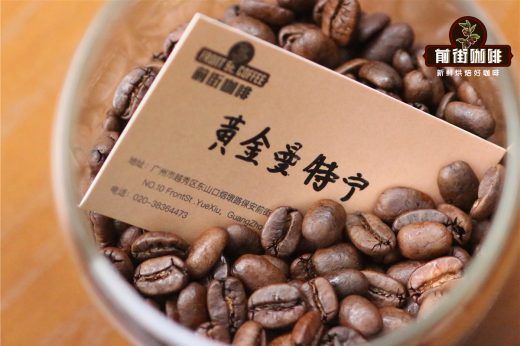
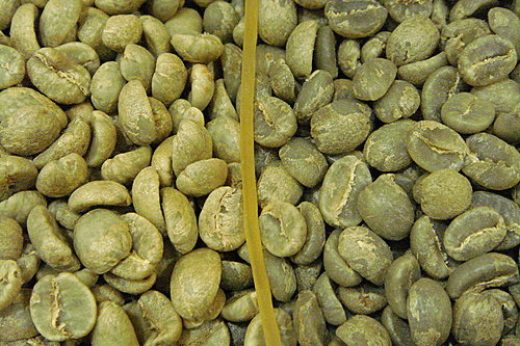
Sumatran coffee is known for its heavy body and rich aroma, and its four representative specialty beans each have their own character. Golden Mandheling uses G1-grade Typica beans, undergoes three rounds of hand sorting and the wet-hulled process, and the green beans show a dark green color with a distinctive caramel aroma. Grown at 1,100–1,600 meters, it gives the coffee a full nutty character, and a 1:15 coffee-to-water ratio in pour-over brewing brings out the finish of dark chocolate and sandalwood.

Regional differences directly influence flavor direction. Lake Tawar coffee comes from Sumatra's northernmost high-altitude region of 800–1,600 meters, and its semi-washed process preserves more bright acidity. Unlike the common subdued style, this bean shows peach and apricot fruit sweetness with a soft almond note; a water temperature of 92°C is recommended for extraction to balance its cloistered aroma. Notably, its natural-process version is rarer but has even more explosive tropical fruit character.

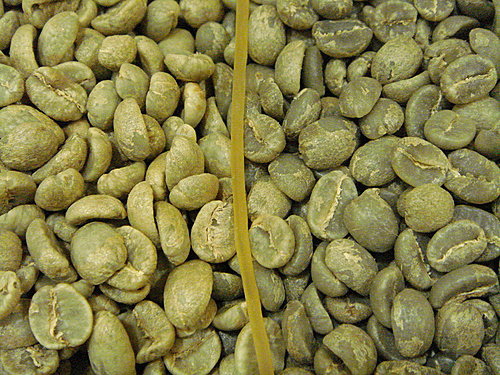
The aging process creates unique layers of flavor. Ordinary Mandheling, due to its low acidity, shows no astringency even when made into iced coffee, while Aged Mandheling, after 2–3 years of aging, turns from yellow-brown to dark brown. Compared with the regular version, its sweetness is markedly enhanced and it carries woody aromas such as herbs and cedar, but note that aged beans should be rested for more than 12 hours before grinding. Professional reviews show that Java Old Brown is superior in sweetness purity, and the fermented sweetness unique to its Old Brown variety is like a honey finish.
The Sumatran coffee system can be divided into four major types: Lindong semi-natural beans, represented by beans grown at 900–1,200 meters by the Batak people, show typical herbal agarwood notes; Golden Mandheling, hand-sorted four times, has more prominent sweetness; Lake Tawar washed beans are bright in acidity and aroma; and the aged series requires long-term aging. A common misconception is that all Sumatran beans are suited to dark roasting; in fact, G1-grade green beans retain regional micro-flavors better with a medium-light roast (dropped at the dense stage of first crack).
Processing differences determine the final expression: the wet-hulled process accelerates drying and forms a unique body, suited to drinkers who prefer intense flavors; the semi-washed process balances acidity and bitterness and adapts to a wider range of brewing methods. For beginners, starting with Golden Mandheling is recommended, as its standard parameter of 15 g of coffee extracted for 2 minutes 10 seconds has a high margin for error. Advanced brewers can try comparing the aging curves of Aged Mandheling and Java Old Brown, observing how storage of more than three years affects sweetness and cleanliness.