Sumatra Mandheling Pour-Over Beans: Flavor Guide and Brewing Parameters
Introduction: Looking for an Indonesian coffee bean suited to pour-over? Sumatra Mandheling, with its full body and unique processing method, has become a classic choice among coffee lovers. This article details the flavor differences within the Mandheling family, focuses on representative beans such as Golden Mandheling, and provides professional pour-over parameters and practical techniques to help you fully bring out this classic bean's nutty and chocolatey character.
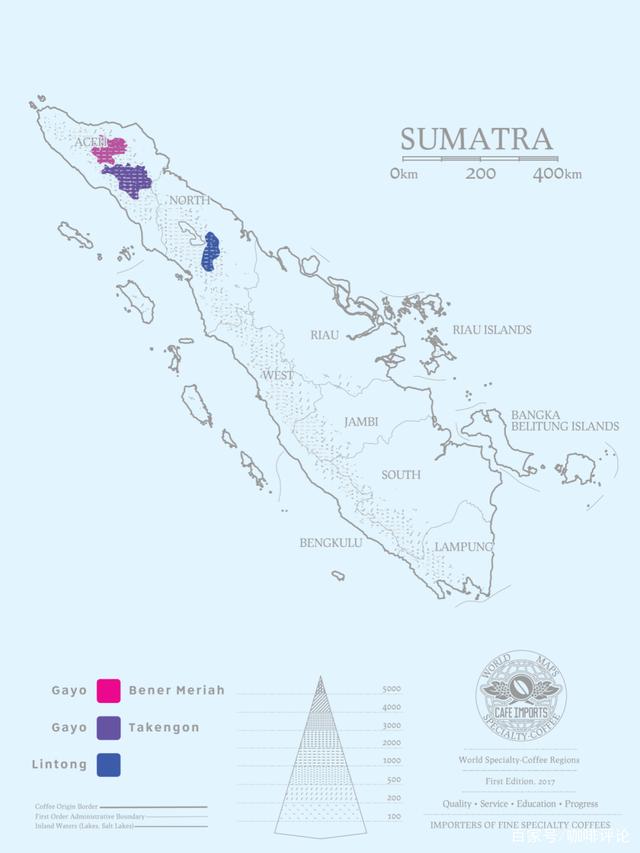
Sumatra coffee is known worldwide for its signature full body, and the Mandheling series in particular is the entry-level first choice for many pour-over enthusiasts. These beans usually carry a distinct earthy aroma and heavy body, but different producing regions and processing methods bring subtle differences. From Lake Toba to Lake Tawar, Sumatra's volcanic soil and special climate shape Mandheling's richly layered flavor profile.
Indonesia is the world's fourth-largest coffee producer, and 70%–80% of its coffee is Robusta, yet Sumatra is renowned for high-quality Arabica Mandheling.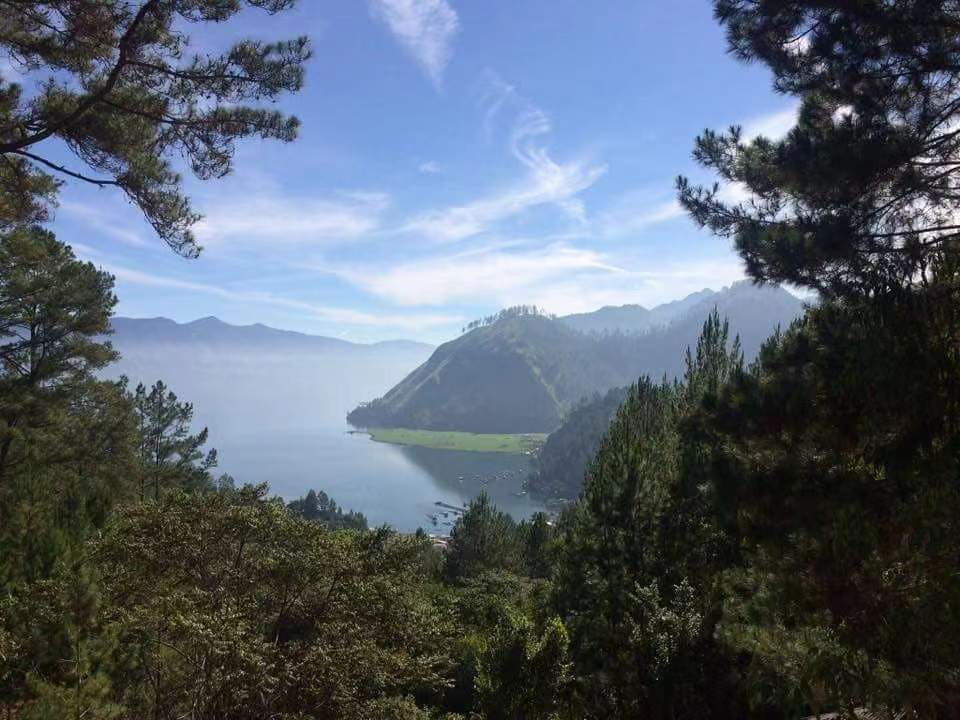 Among the country's more than 11,000 islands, Lake Toba in North Sumatra and Lake Tawar in Aceh Province respectively give rise to two classic regions known in the trade as "Old Mandheling" and "Little Mandheling"—the former has a longer planting history, while the latter, developed later, has a fresher flavor.
The name Mandheling comes from a beautiful misunderstanding: during World War II, Japanese soldiers stationed in Indonesia praised the local coffee, and after returning to Japan, when they ordered it through traders, the supplier could not disclose the specific origin and casually used the local tribal name "Mandheling" to refer to the beans.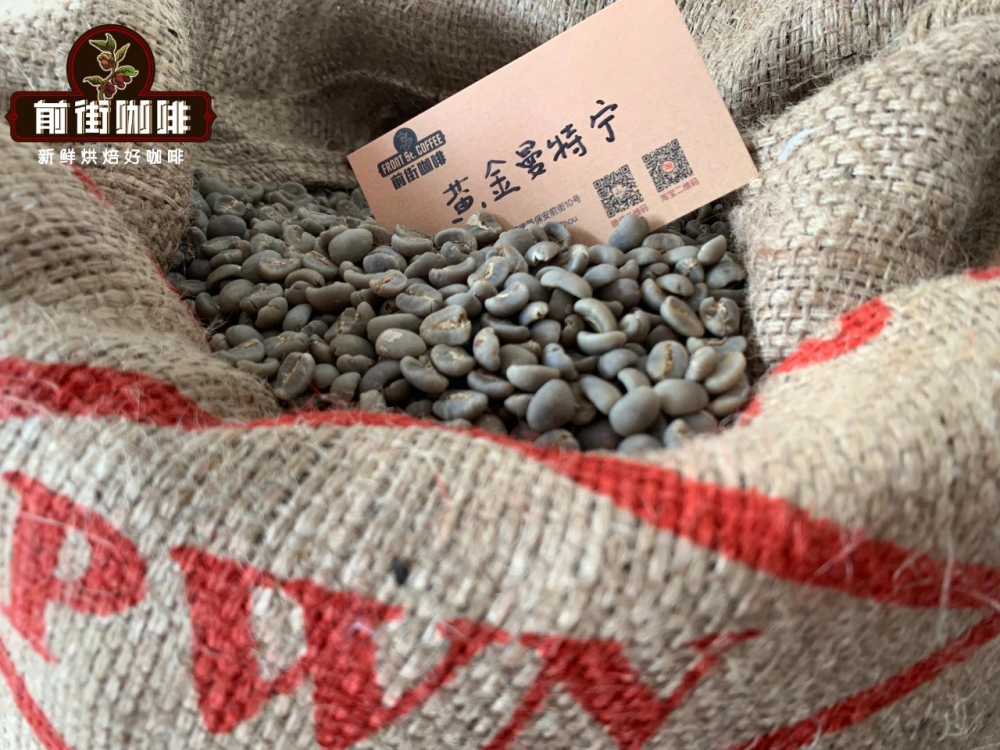 Today this misnomer has become synonymous with high-quality Sumatra coffee, and Mandheling processed by the wet-hulled method has conquered the global market with its unique craft and flavor.
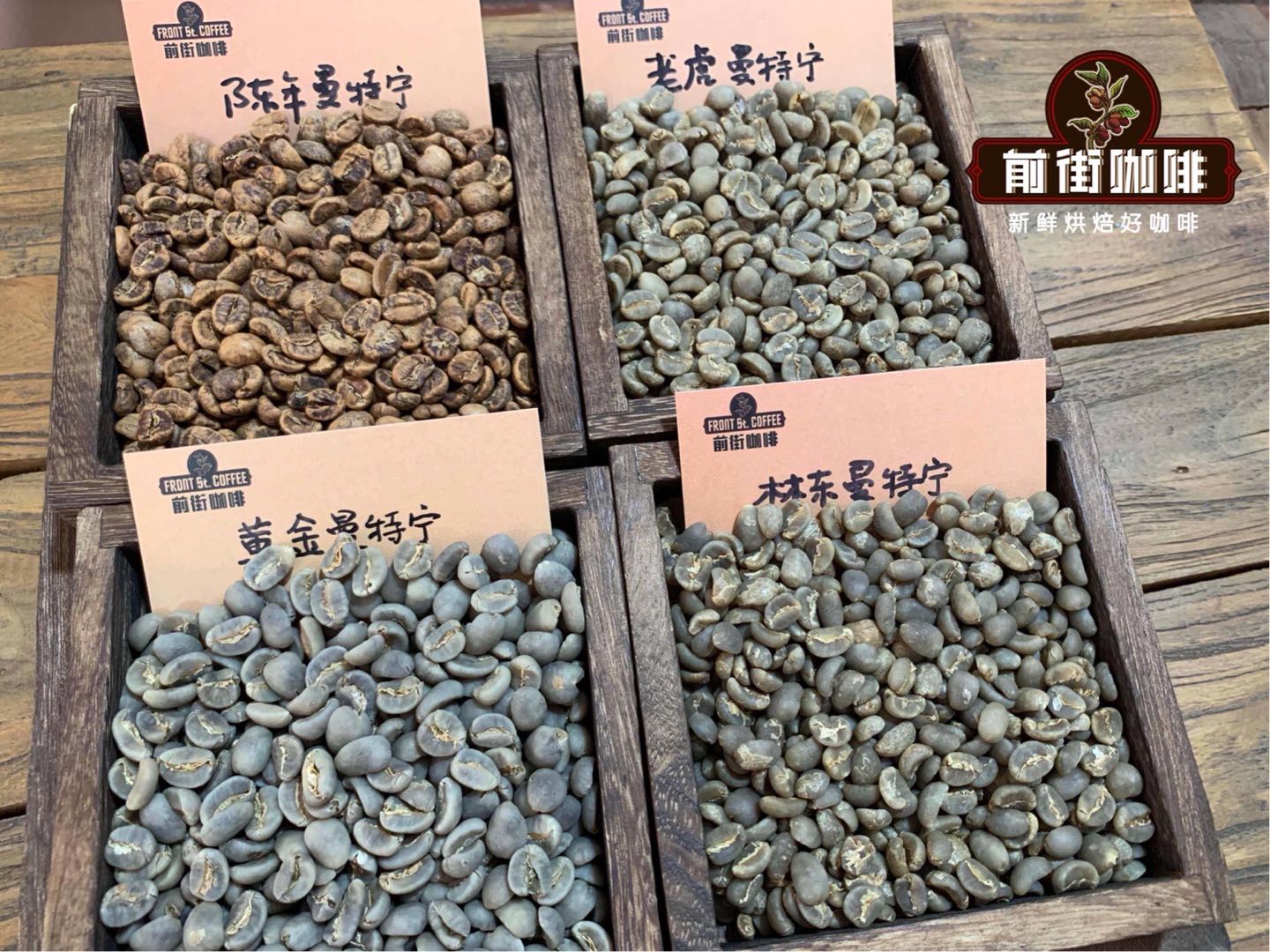
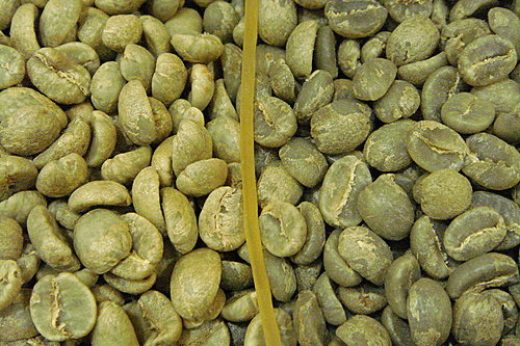
Sumatra's distinctive wet-hulled method is the soul of its flavor. Because the local rainy climate is unsuitable for sun-drying and the traditional washed method is too costly, coffee farmers invented this efficient process: first remove the skin and pulp and ferment for 3 hours, then when the bean's moisture content drops to 30–50%, hull off the outer mucilage and continue drying to 12–13% moisture content.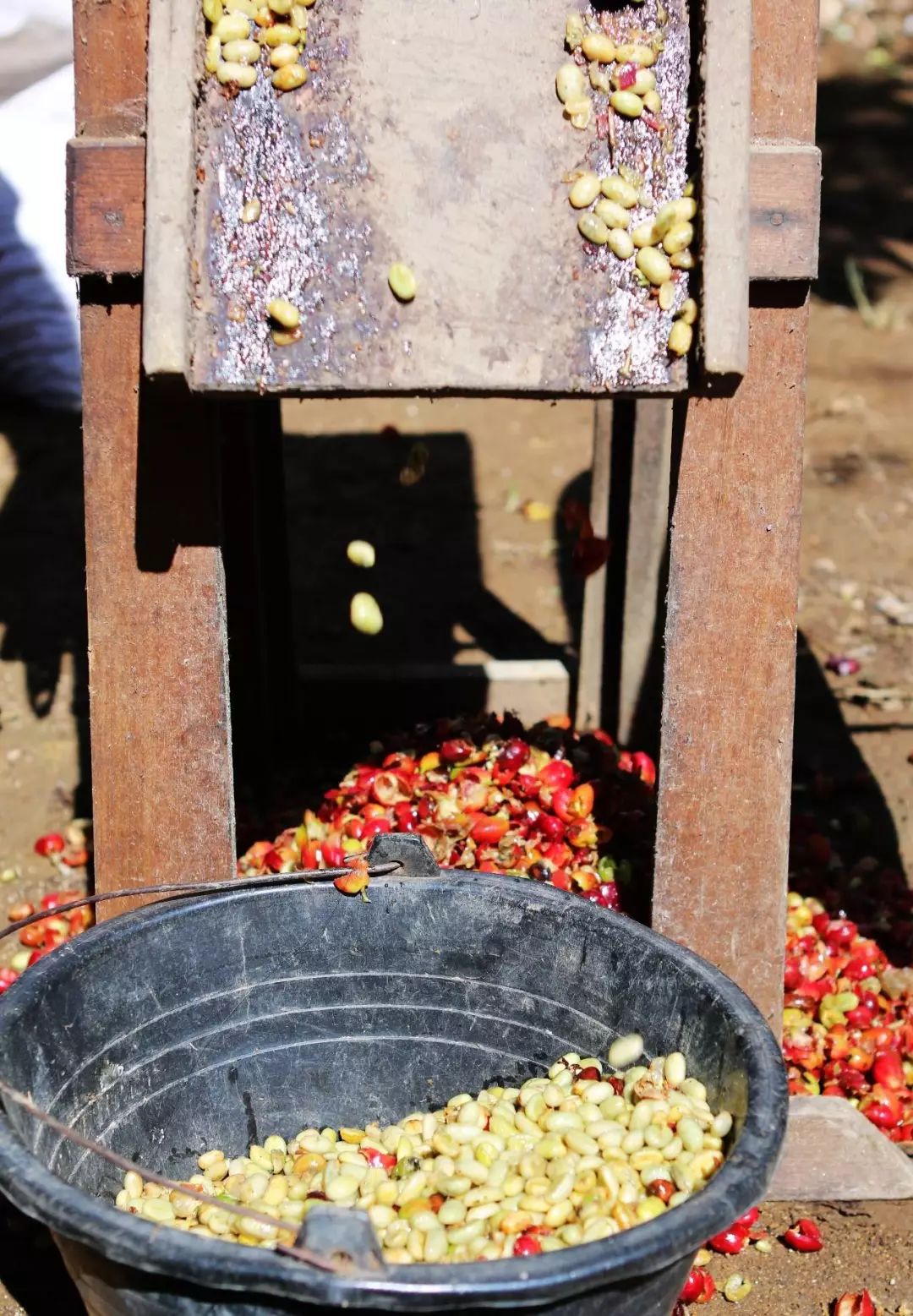 This process creates Mandheling's signature low acidity, high body, and unique woody and herbal notes. Advanced drinkers can try aged wet-hulled beans—storing ordinary wet-hulled beans for 2–3 years lets the acidity transform into a rounder sweetness, and the bean color gradually turns dark brown.
Among the many Mandheling products, Lintong Mandheling is the most representative basic version. Grown in the Lintong hills near Lake Toba, its standard wet-hulled process gives it low acidity and high body; although "goat-foot beans" (beans bruised into a goat-hoof shape) are common due to humidity, this is a normal processing characteristic rather than a defect. This coffee has distinct dark chocolate and nutty notes, suited to drinkers who prefer a heavy body.
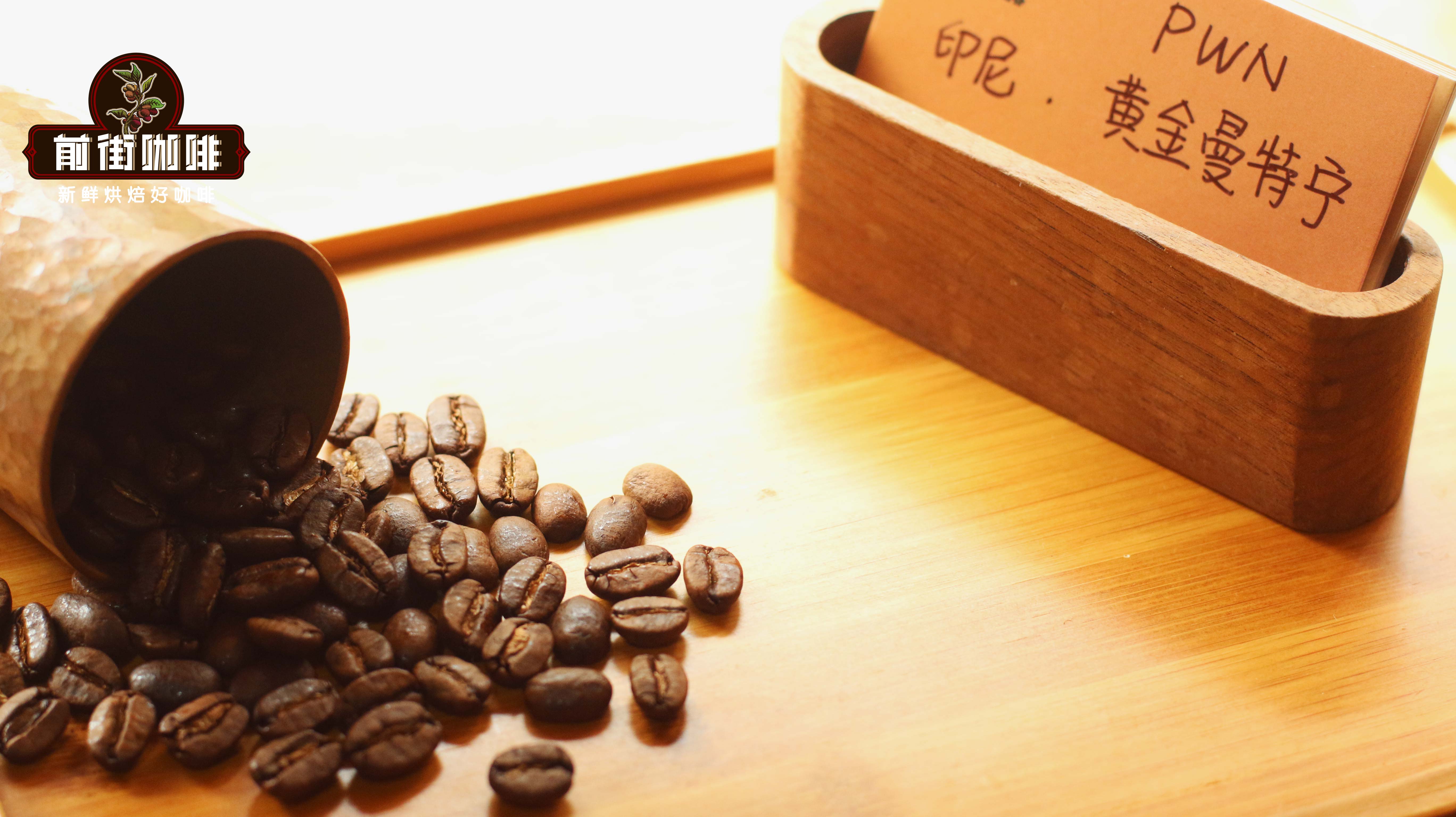
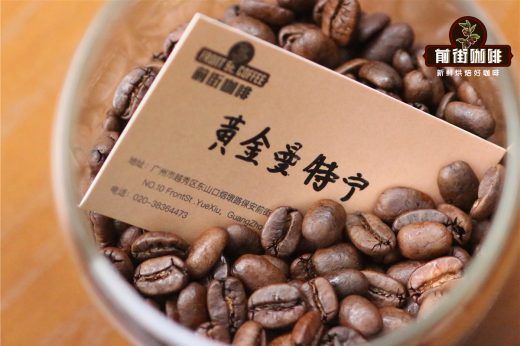
For higher quality, Golden Mandheling is worth trying. As a registered trademark of Indonesia's PWN company, genuine beans require the burlap sack marking and origin certificate. Its strict standards of large beans of 18 screen or above and fewer than 3 defects per 300g ensure a clean, bright cup. After deep roasting (recommended to deepen the roast to the start of second crack), this coffee shows caramel sweetness and spice notes, with acidity almost entirely gone, replaced by a mellow symphony of dark chocolate and roasted nuts.
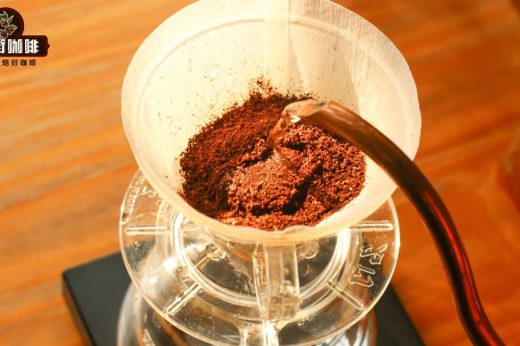
When brewing Golden Mandheling pour-over, freshness is crucial—choose beans within 5 days of roasting, when aromatic compounds are most active. Recommended parameters: use a KONO dripper, 87°C water, 1:15 coffee-to-water ratio (15g coffee to 225ml water), medium-coarse grind (70% passing a No. 20 sieve). Procedure: first rinse the filter paper and preheat, add the coffee grounds and bloom with 30g water for 30 seconds, then pour in a small stream in a central circle to 125g and pause, and when the bed drops to the middle of the dripper continue pouring to 225g, for a total brew time of about 2 minutes 30 seconds.
During brewing, roasted nut aromas and caramel sweetness are gradually released; on the palate you can clearly feel the silky texture of dark chocolate and a spicy finish. Take care to avoid over-extraction (water no hotter than 90°C, grind not too fine), or noticeable bitterness can easily arise. Paired with a medium roast, this Mandheling both showcases Sumatra coffee's regional character and does not mask its delicate sweet layers.