KONO Dripper Brewing Tips for Golden Mandheling: Medium-Dark Roast Parameters and Flavor Guide
Introduction: This article explains in detail the flavor characteristics and brewing key points of medium-dark roasted Golden Mandheling coffee beans, for coffee lovers who pursue a rich, full-bodied taste. Through a practical comparison of the V60 and the KONO dripper, it provides key parameters such as water temperature, grind size and pouring technique, and analyzes brewing strategies for different bean-resting stages, helping you precisely present layered tropical flavors such as caramel and cocoa.

Indonesian Sumatra Golden Mandheling, with its signature full body and low acidity, has always held a special place among medium-dark roast enthusiasts. These coffee drinkers tend to value the silky texture and lingering sweetness of the cup rather than bright fruit acidity. When they settle on this Typica variety processed by the traditional wet-hulling method among many options, they are in fact looking for a reliable flavor base with a roasted-grain undertone.

The roasting approach for this bean—finishing at the early stage of second crack—is quite clever: it retains a trace of gentle acidity to balance the overall flavor, while fully developing the caramelization reactions to cultivate pronounced pine and dark chocolate aromas. When tasting, it is recommended to focus on a roast level of around 12%, at which the integration of the cocoa finish and earthy notes reaches its best. For consumers trying medium-dark roast for the first time, it is suggested to start with a 1:15 coffee-to-water ratio to build a taste memory.

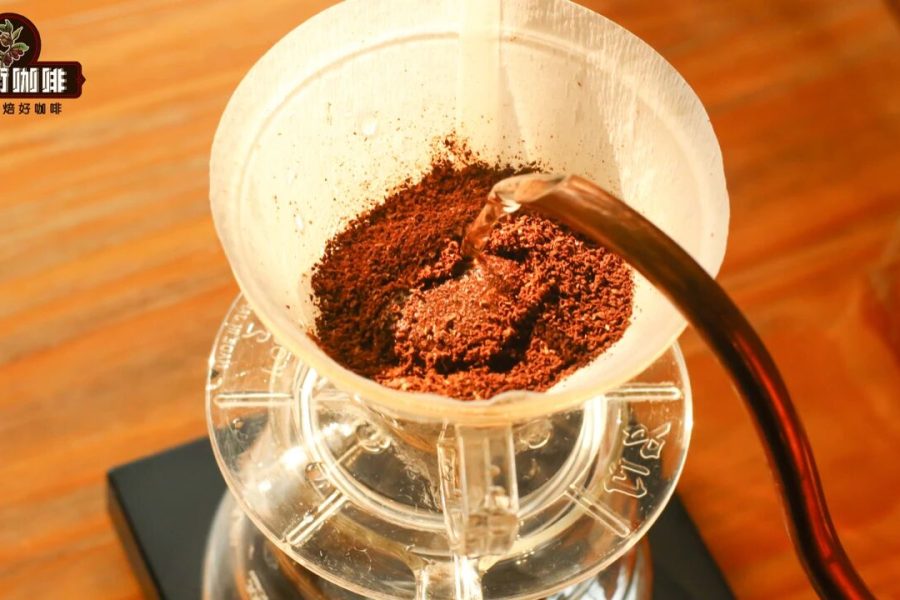
For freshly roasted beans (within 7-10 days of resting), the spiral flow channels of the V60 dripper can effectively relieve internal pressure buildup. In practice, fresh coffee grounds form an obvious sponge-like bloom the moment water is poured; using a conventional flow rate at this point would lead to over-extraction. The professional recommendation is 93-94°C water with a medium-coarse grind (70% passing a Chinese standard No. 20 sieve), pouring in a radial pattern from the center to keep the water level stable, with the first pour delivering 30 g of water within 30 seconds.

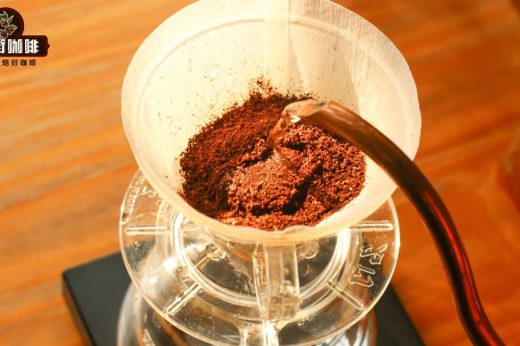
The gentle rib structure of the KONO dripper (occupying only 1/4 of the cone height) creates a unique extraction environment—once the water rises above the flow ribs, the sealed space formed by the filter paper and the cone wall generates progressive pressure as the liquid level rises. This design is particularly suited to matured beans rested for more than two weeks, fully releasing soluble compounds by extending the water-grounds contact time (a single extraction is recommended to be extended to 2 minutes 30 seconds). Take particular care to use a slightly finer grind (60% passing the same sieve) and maintain 92°C water to avoid woody off-flavors caused by over-blooming.

There are three key control points in the actual brewing process: first, in the initial pouring stage (0-45 seconds), maintain a thick stream in a circular pour to ensure the coffee bed is evenly pre-wetted; second, in the second pouring stage (45-90 seconds), watch for changes in flow rate—if obvious channeling occurs, pause pouring and wait for the water level to drop; finally, in the finishing stage (135-150 seconds), gently swirl the dripper to help the remaining grounds at the bottom exit. It is recommended to use a server 8-10 cm in diameter, using its heat-retention properties to maintain the optimal drinking temperature range (85-88°C).