Ethiopian Coffee Beans: Flavor, Regions, History, and Farmer Equity

Introduction: Ethiopia, the birthplace of coffee, is renowned worldwide for the distinctive flavors of its coffee beans. This article takes an in-depth look at the characteristics of Ethiopia's main coffee regions, their classic flavor profiles, and how international brands such as Starbucks profit from origin value. It also reveals the income struggles faced by local farmers, helping coffee lovers understand the stories and controversies behind the premium coffee they enjoy.
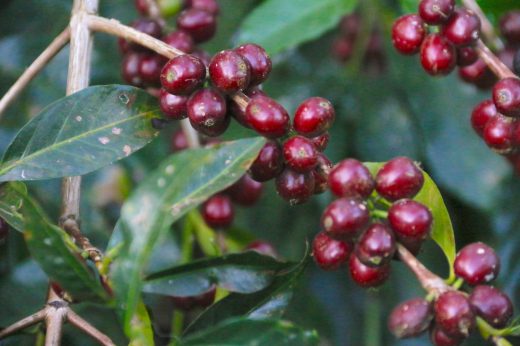
Ethiopia is one of the world's important coffee-producing countries, with annual output of about 200,000 to 250,000 tons, ranking 14th in the world and 4th in Africa. The country's southwestern highlands, including Kaffa, Sheka, Gera, Limu and Yayu, are home to original forest coffee ecosystems and are considered the birthplace of Arabica coffee. These areas not only nurture diverse coffee varieties but also maintain rich biodiversity, including plants with medicinal value and endangered wildlife.
Ethiopian coffee is known for its complex and varied flavors, with each region offering its own characteristics. Sidamo coffee, for example, typically has citrus, floral and black-tea-like finish, while Yirgacheffe is known for its bright acidity, lemon aroma and jasmine fragrance. These flavor differences stem from variations in altitude, soil and microclimate, offering coffee lovers a rich range of tasting options.
It is worth noting that although Ethiopia has some of the world's top coffee regions, the returns farmers receive are very limited. According to Getachew Mengistie, director of the Ethiopian Intellectual Property Office, local farmers sell green beans for only $1.45 per pound, while the same coffee can sell for as much as $26 in the U.S. market—a price gap of 18 times. This huge profit gap stems mainly from international brands' exploitation of the marketing value of origin names; Starbucks, for example, significantly raises product premiums by labeling origin names such as "Sidamo."
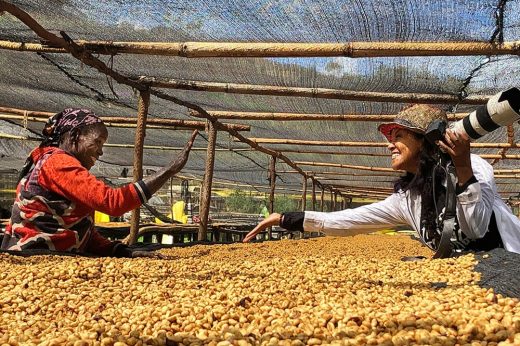
However, this premium is not fairly returned to coffee farmers. The international charity Oxfam conducted a field survey in the village of Fero in Ethiopia's Sidamo region and found that local farmers live in extreme poverty. In 2006, 2,432 coffee farmers produced a total of 300,000 pounds of natural-process beans, with average income of only $123 per person; after deducting $20 in public fees charged by the cooperative and union, they actually received only $103—barely enough to cover a family of four's annual expenses. Although Starbucks that year donated $15,000 to reward high-quality coffee production, each farmer received only an additional $6.2, still a drop in the bucket. By comparison, specialty coffee farmers in Central and South America typically receive 45% of the final retail price, while Ethiopian farmers get only 5%–10%.
This situation reveals inequality in the global coffee supply chain. Although international brands create enormous value through origin marketing, the farmers who actually bear the growing risks are unable to share reasonably in the returns. For coffee consumers, while appreciating the unique flavors of Ethiopian coffee, they should also pay attention to the social issues behind it and support coffee brands committed to fair trade and farmer empowerment.